
 iPhone Data Recovery
 iOS System Recovery
 iOS Data Backup & Restore
 iOS Unlocker
 iPhone Password Manager
 Location Changer
 Android Data Recovery
 Broken Android Data Extraction
 Android Data Backup & Restore
 Android Unlocker
 FoneTrans for iOS
 iPhone Data Eraser
 iPhone Cleaner
 HEIC Converter
 HyperTrans
 WhatsApp Transfer for iOS
 Mac Sweep
 Data Retriever
 Mac Data Retriever
 Video Converter Ultimate
 Screen Recorder
 Phone Mirror
 Recover PC Data Now
Recover the lost/deleted data from computer, hard drive, flash drive, memory card, digital camera and more.
How to Find and Recover Skype Video Messages
 Posted by Somei Liam / September 09, 2026 19:00
Skype video messages can disappear in a few frustrating ways: a chat clears, the file never finished downloading, you switched accounts, or you accidentally deleted the message. Because Skype stores most data locally in folders and database files, a lot of it is still recoverable — it's just a question of knowing where to look.

This guide walks through the options from easiest to most involved: check Skype's received files folder, browse the conversation history, search the local database, and finally use recovery software when a video was truly deleted. Start with the first method — it takes seconds — and only escalate if the file isn't there.

Guide List
Part 1: Check the Received Files Folder
Skype saves files you receive — including video messages — to a local folder on your computer. If the message is gone from the chat but the file landed on disk, it's still sitting there.
Step 1Press the Windows key and R together to open the Run dialog.
Step 2Type %AppData%/Skype/My Skype Received Files into the box and click OK.

Step 3Browse the folder for the video file you're after. If it's there, copy it somewhere safe before doing anything else.
This is the fastest fix for a video that "vanished" from the chat but was still delivered. Files here keep their original names, so search by the sender's name or the date if the list is long.
Two things can hide files here even when they exist. First, Skype may have saved the video with a generic name, so sorting by date instead of scanning names often reveals it. Second, if you're signed into more than one Skype profile, each profile has its own received files folder — check every profile folder under AppData before concluding the file isn't there. A video sent to an older account won't appear in the current one's folder.
If the file is there but won't play, it may have been cut off mid-download. Try opening it in a media player that's tolerant of incomplete files, or re-request the message from the sender. A partial download is a much smaller problem than a fully deleted file, so this is a good outcome to find.
For deleted videos more broadly, recovering deleted videos on a computer covers similar ground.
Part 2: Browse the Conversation History
If the video message was never deleted from the chat, it's still in the conversation history — you just need to scroll back to it.
Step 1In Skype, open Contacts or Recent and click the person or group who sent the video.
Step 2Scroll up through the conversation to find the video message.
Step 3Click the video and open it. If it plays, save a copy locally so you don't lose it again.
One catch: on some systems, old video messages expire or need re-downloading, and Skype may show a placeholder instead of the file. If the video won't open from history, move on to the next method.
Part 3: Search the Skype Database File
All of your Skype messages, contacts, and media references live in a local database file called main.db. If a video is missing from the folder and history, its record may still exist inside this database.
Step 1Go to the Skype Browser tool online, which reads main.db files in your browser.
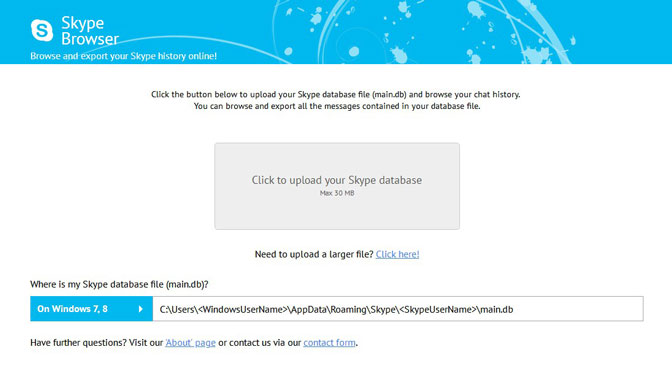
Step 2Click the button to upload your main.db file, then follow the on-screen steps to browse the chat history.
Step 3Find the video message you need and export it.
If you prefer a desktop tool, the same main.db can be opened with SQLite tools on Windows or Mac. This method works well when the video's metadata survived even if the file itself was cleared from the chat.
A caution about database editing: main.db is a live database, and Skype may be writing to it while it's open. Make a backup copy of the file before you touch it, and don't write changes back into the original unless you know what you're doing. The browser-based viewer reads a copy you upload, so it's the safer route for most people. If the database route feels too technical, skip straight to Part 4 — recovery software handles the same job without you needing to understand the file structure.
Part 4: Recover Deleted Videos with FoneLab Data Retriever
When a Skype video was genuinely deleted — cleared from history and the folder — your last reliable option is recovery software. FoneLab Data Retriever scans the drive for deleted video files, lets you preview them, and recovers them to a location you choose. It works on the computer's hard drive as well as memory cards and USB drives.
FoneLab Data Retriever - recover the lost/deleted data from computer, hard drive, flash drive, memory card, digital camera and more.
- Recover photos, videos, contacts, WhatsApp, and more data with ease.
- Preview data before recovery.
- Recover photos, videos, documents, and more data with ease.
- Recover data from device, iCloud, and iTunes.
Step 1Download and install FoneLab Data Retriever, then launch it.
Step 2Select the file types you want (include Video) and choose the drive where Skype stores its data.
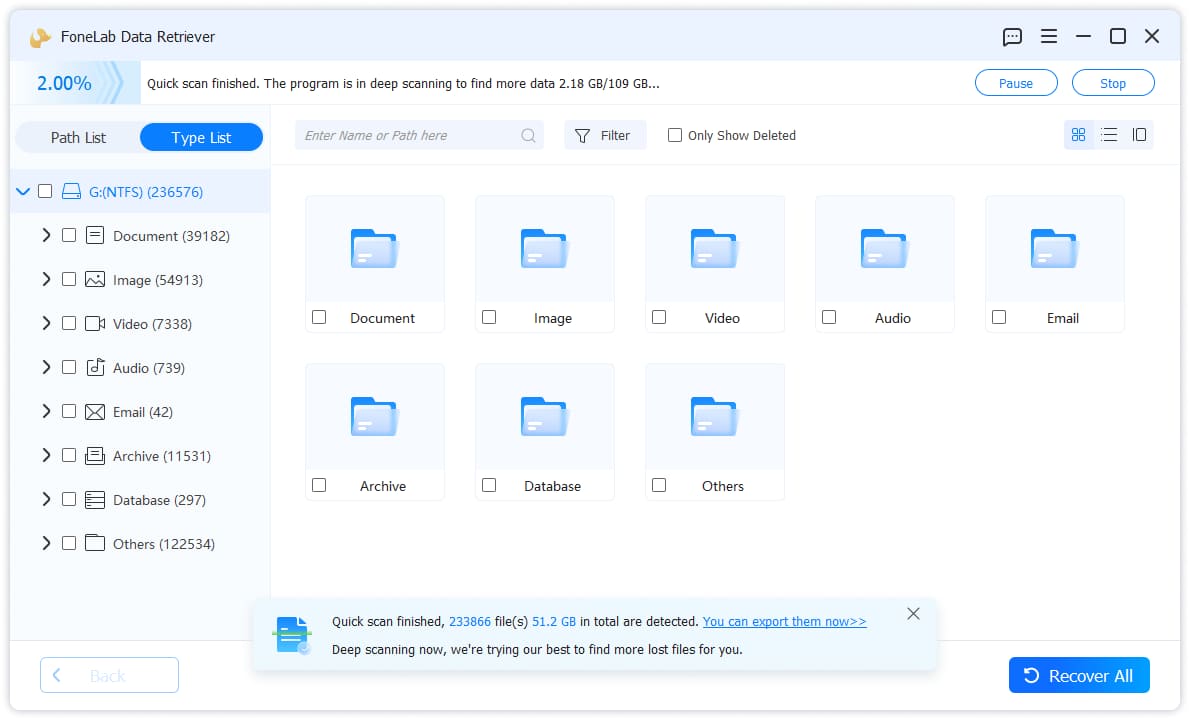
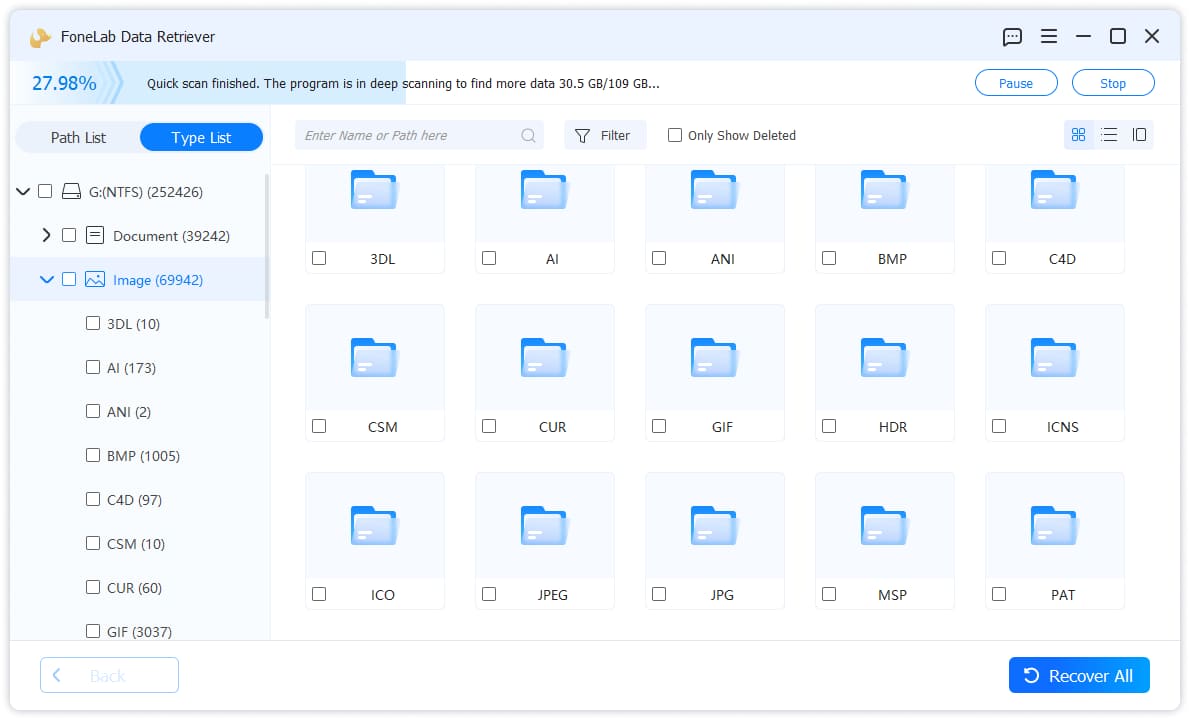
Step 3Click Scan and wait for the results. Use the filter to narrow to video files.
Step 4Preview the videos, tick the one you need, click Recover, and save it to a different drive than the one scanned.
The key to success here is acting quickly: the less you use the drive after deletion, the better the odds that the video's data hasn't been overwritten.
And for finding video files by type rather than name, recovering deleted videos walks through a format-based scan.
If the deleted video came through a call or was an older file, think about where it may have been cached. Video messages that played in the chat are sometimes stored in Skype's cache folders alongside the received files directory, under names you wouldn't expect. A scan by file type (video) rather than by filename catches these, which is exactly how recovery software finds them. So even if the "My Skype Received Files" folder looks empty, don't assume the video is gone — a format-based scan of the drive is a more thorough second pass.
Also worth remembering: if the video was ever synced to OneDrive or Microsoft's cloud through a linked account, check the cloud trash or the account's files. Files removed from chat aren't automatically removed from cloud storage, and a cloud copy is often the easiest recovery of all.
Cloud trash in OneDrive keeps deleted files for a while, so check there before running a full drive scan — that alone can save you the whole recovery effort.
Part 5: Where Skype Stores Your Data
Knowing where Skype keeps things helps you know where to look:
If you're on a Mac, the equivalent folders live under ~/Library/Application Support/Skype/, and the received files appear inside each profile's "My Skype Received Files" subfolder there. The same recovery logic applies — check the folder, browse history, then scan with software if it's gone. The specific paths differ, but the order of attack doesn't.
- Received files:
%AppData%/Skype/My Skype Received Fileson Windows. - Database:
main.dbinside the Skype profile folder, holding messages and media references. - Older Skype versions: a per-account folder under
%AppData%/Skype/with its own received files and main.db. - Cache and avatars: temporary files that sometimes hold media previews.
For newer Skype on Windows 10/11, data also syncs to Microsoft's servers, so a missing video might still be available from the cloud side of the chat. If you're not sure which account stored the file, check each profile folder under AppData.
Part 6: Tips to Keep Skype Videos Safe
- Right-click important video messages and save them to your own folder immediately.
- Back up the Skype received files folder and main.db periodically to an external drive or cloud.
- Be careful when "clearing history" — it can remove local copies you still need.
- Keep your Skype account signed in to the same profile so downloads aren't lost between accounts.
- If a video is critical, download it on the spot instead of trusting the chat to keep it forever.
These habits cost seconds but turn a "it's gone forever" moment into a non-event.
If you record video calls rather than just receive them, Skype recording tools can save the conversation as a file you control.
There's one more habit that saves more Skype data than any other: before you switch computers, sign out properly and copy the Skype profile folder, not just the chat log. The profile folder holds the received files and the database together, so moving the whole folder to the new machine keeps everything — history, videos, and contacts — intact. Many "my Skype history is gone" reports come from a fresh install that started with an empty profile rather than the old one.
Part 7: FAQs About Skype Video Recovery
Where are Skype video messages saved on my computer?
Received video files go to My Skype Received Files under AppData. Message metadata lives in the main.db database file in the same profile folder.
Can I recover a deleted Skype video message?
Often yes. Check the received files folder and chat history first, then the database. If the file was truly deleted, recovery software can usually find it on the drive.
Do old Skype video messages expire?
Videos can be removed from chat by the sender or expire on some plans, so the chat may show a placeholder. That's why saving important videos locally matters.
When that happens, the video often still exists in the recipient's received files folder, so ask the sender to re-send or share the file directly.
Conclusion
Losing a Skype video message is rarely the end of the story. Check the received files folder, browse the conversation history, search the main.db database, and fall back on FoneLab Data Retriever when the file was really deleted. Act fast, know where your data lives, and you'll get that video back.
FoneLab Data Retriever - recover the lost/deleted data from computer, hard drive, flash drive, memory card, digital camera and more.
- Recover photos, videos, contacts, WhatsApp, and more data with ease.
- Preview data before recovery.
- Recover photos, videos, documents, and more data with ease.
- Recover data from device, iCloud, and iTunes.