
 iPhone Data Recovery
 iOS System Recovery
 iOS Data Backup & Restore
 iOS Unlocker
 iPhone Password Manager
 Location Changer
 Android Data Recovery
 Broken Android Data Extraction
 Android Data Backup & Restore
 Android Unlocker
 FoneTrans for iOS
 iPhone Data Eraser
 iPhone Cleaner
 HEIC Converter
 HyperTrans
 WhatsApp Transfer for iOS
 Mac Sweep
 Data Retriever
 Mac Data Retriever
 Video Converter Ultimate
 Screen Recorder
 Phone Mirror
 Recover PC Data Now
Recover the lost/deleted data from computer, hard drive, flash drive, memory card, digital camera and more.
DVD Data Recovery on Windows: 3 Ways to Recover Files from Scratched or Damaged DVDs
 Posted by Boey Wong / October 15, 2026 09:00

DVDs were once the standard for storing movies, music, photos, and backup data. But as they age, they can become scratched, corrupted, or otherwise unreadable, leaving you unable to access important files. Whether it is a wedding video, a backup of old photos, or a software installation disc, losing access to DVD data can be frustrating. The good news is that there are ways to recover data from damaged or unreadable DVDs on Windows.
In this guide, I will show you how to recover data from DVDs on Windows, including cleaning and repairing the disc, copying files with built-in tools, and using FoneLab Data Retriever for more stubborn cases. Let us get started.

Guide List
Part 1. Why DVDs Become Unreadable
Understanding why a DVD is not reading helps you choose the right recovery method.
- Scratches. Surface scratches are the most common cause of unreadable DVDs. Deep scratches can damage the data layer, while light scratches can often be buffed out.
- Disc rot. Over time, the reflective layer of a DVD can oxidize or peel, a phenomenon known as "disc rot." This causes data to become unreadable even if the disc looks fine.
- Fingerprints and smudges. Oil from fingers can interfere with the laser's ability to read the disc. A simple cleaning often fixes this.
- Heat and sunlight damage. Prolonged exposure to heat or direct sunlight can warp the disc or damage the data layer.
- Incompatible disc format. Some older DVD drives cannot read DVD+R, DVD-RW, or dual-layer discs. Make sure your drive supports the disc format.
- Drive issues. Sometimes the problem is not the disc but the DVD drive. A dirty or failing laser can cause read errors.
- Copy protection. Some commercial DVDs have copy protection that prevents copying files directly.
Before trying any recovery method, try the DVD in a different drive or a different computer. If it works in another drive, the problem is with your DVD drive, not the disc. If it does not work anywhere, the disc is likely damaged.
FoneLab Data Retriever - recover the lost/deleted data from computer, hard drive, flash drive, memory card, digital camera and more.
- Recover photos, videos, documents and more data with ease.
- Preview data before recovery.
Part 2. Method 1: Clean and Repair the DVD
Many unreadable DVDs can be fixed with a simple cleaning or minor repair. Always try this first before using software recovery tools.
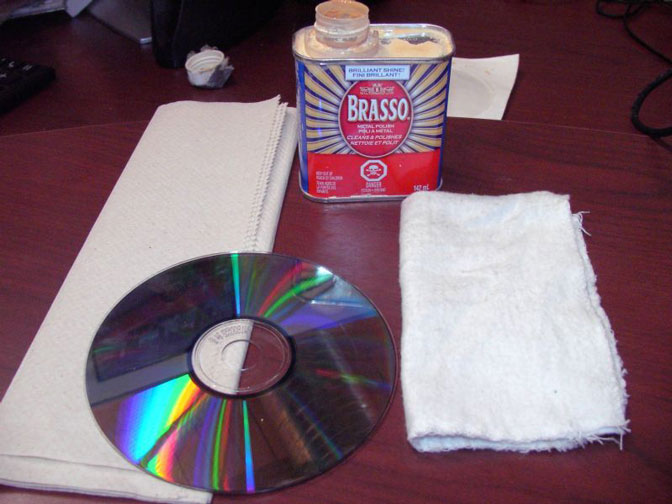
Step 1Wash the disc with warm water and a small amount of mild dish soap. Gently rub the surface with your fingers (not a cloth, which can scratch) to remove fingerprints and smudges. Rinse thoroughly.
Step 2Dry the disc with a lint-free microfiber cloth, wiping from the center outward in straight lines (not circular motions).
Step 3For light scratches, apply a small amount of toothpaste (non-gel, non-whitening) or metal polish to the scratched area. Rub gently with a soft cloth in straight lines from center to edge. Rinse and dry.
Step 4For deeper scratches, you can use a commercial scratch repair kit, which typically includes a polishing compound and a buffing cloth.
Step 5After cleaning/repairing, try the disc in your DVD drive again. If it reads, copy the files to your computer immediately.
Be careful not to over-polish the disc, as this can damage the data layer further. If the disc has disc rot (cloudy or spotted reflective layer), cleaning will not help, and you will need software recovery.
A few things to avoid: do not use window cleaner, glass spray, or alcohol-based solvents on the data side, and never rub in circles. Circular polishing creates scratches that cut across the tracks, which the laser handles worse than radial ones. Also skip rough paper towels or old t-shirts, which leave fine scratches behind.
Part 3. Method 2: Copy Files with Windows Explorer
If the DVD is partially readable, you may be able to copy files directly using Windows Explorer, even if some files are corrupted.
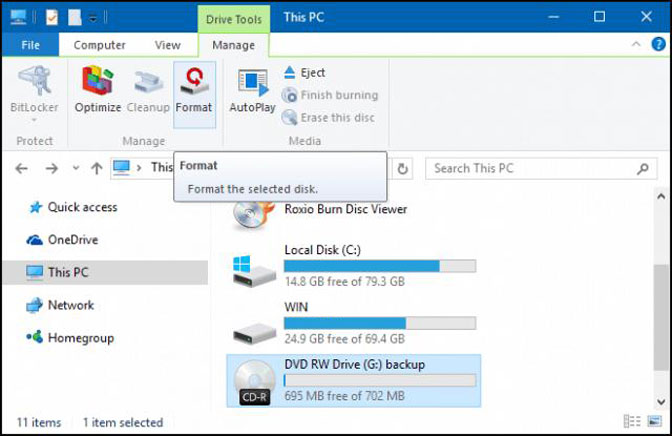
Step 1Insert the DVD into your computer's DVD drive. Wait for Windows to recognize it.
Step 2Open File Explorer and click on the DVD drive to view its contents.
Step 3Select the files and folders you want to copy. Drag them to a folder on your computer's hard drive, or right-click and select Copy, then paste to the destination.
Step 4If Windows encounters an error while copying a file, it may skip it or stop the process. You can try copying files one at a time to isolate which files are corrupted.
Step 5For video DVDs (movie DVDs), you may need to use DVD ripping software to copy the video files, as they are often copy-protected. Legal DVD ripping software like HandBrake can help with this.
If Windows cannot read the DVD at all, or if many files are corrupted, you will need a more powerful recovery tool. Move to Method 3.
One more trick: if the disc reads but slows down or skips near the end, make a full disc image first. Tools like ImgBurn can build an ISO copy of the DVD onto your hard drive, and once the image is made you can work from that copy instead of repeatedly spinning the fragile original.
FoneLab Data Retriever - recover the lost/deleted data from computer, hard drive, flash drive, memory card, digital camera and more.
- Recover photos, videos, documents and more data with ease.
- Preview data before recovery.
Part 4. Method 3: Recover with FoneLab Data Retriever
FoneLab Data Retriever is a professional data recovery tool that can scan DVDs and other optical media for recoverable files, even when Windows cannot read the disc normally. It reads the disc sector by sector, pulling whatever data it can from still-readable areas around the damage. That means light to moderate scratches are often salvageable, but parts the drive cannot read at all are gone.
Step 1Download and install FoneLab Data Retriever on your Windows computer.
Step 2Insert the DVD into your DVD drive. Open FoneLab Data Retriever.
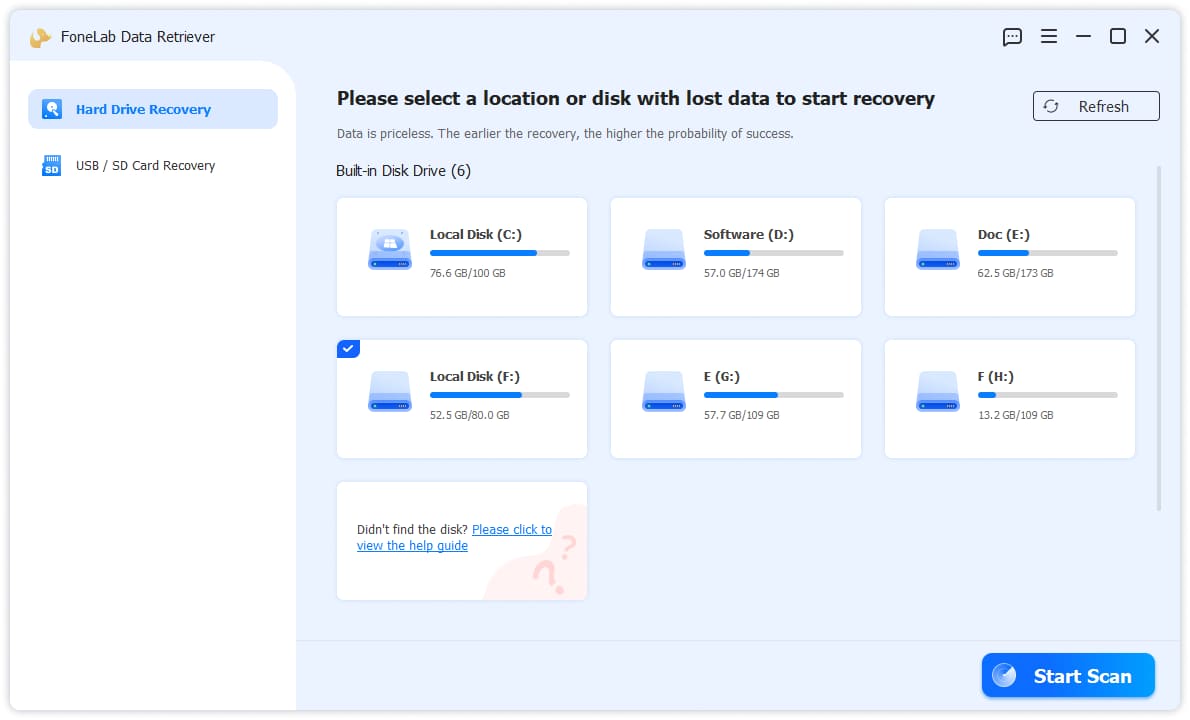
Step 3Under Data Type, select the types of files you want to recover (Images, Documents, Video, Audio, etc.). You can select all types if you are not sure.
Step 4Under Location, select your DVD drive (it should appear under "Removable Drives" or "DVD Drive").
Step 5Click Start Scan to scan the DVD. The software automatically runs a deep scan and reads the disc sector by sector, attempting to recover files even from lightly damaged areas.
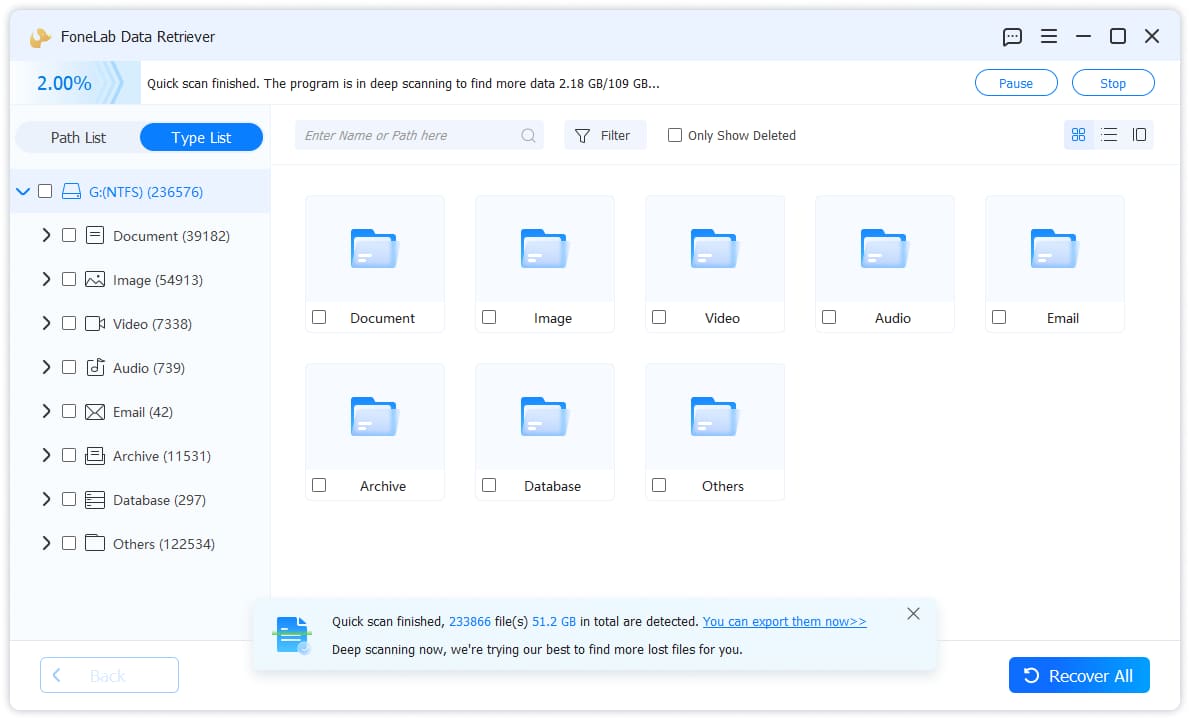
Step 6When the scan is complete, browse the recoverable files by type or path. Preview files to confirm they are intact.
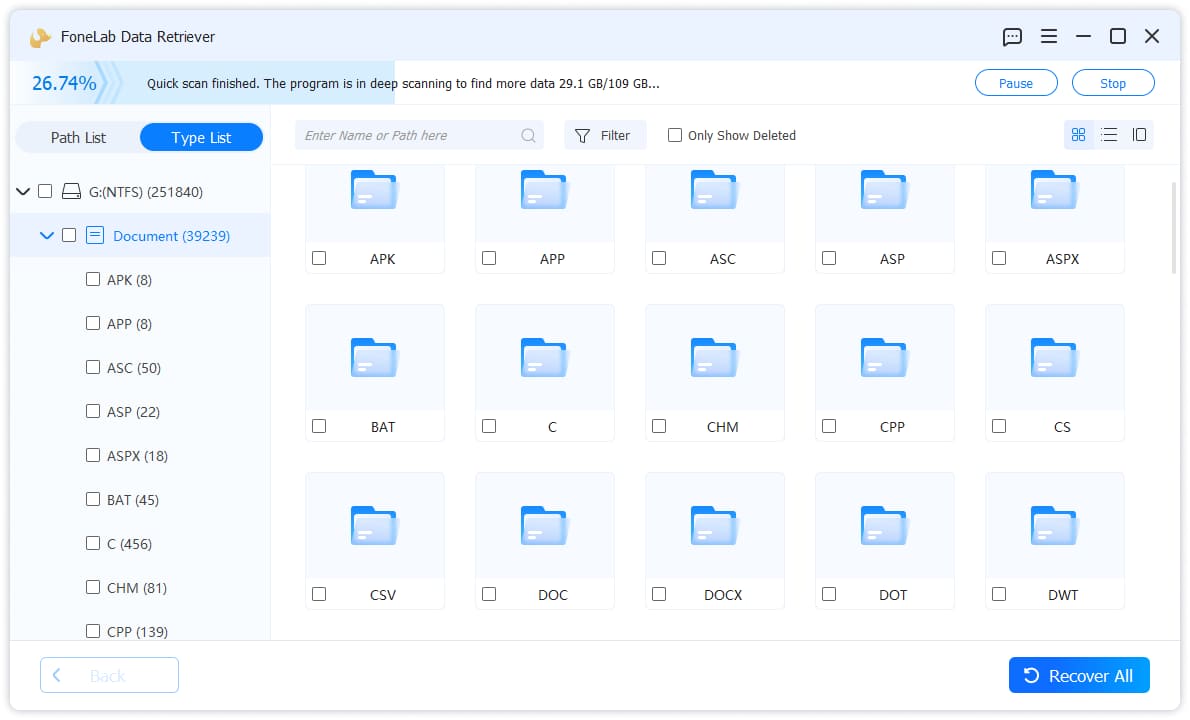
Step 7Select the files you want to recover and click Recover. Choose a location on your computer's hard drive to save the recovered files.
FoneLab Data Retriever can pull documents, photos, videos, music, and archives off DVDs, including discs that are scratched or partially unreadable. It runs an automatic deep scan, so there is no separate deep-scan button to hunt for. One honest limit: if the disc is severely scratched, cracked, or has disc rot to the point where the drive cannot spin it up or read any sectors, no software can recover those areas. In that case, try a different DVD drive first, since some drives read damaged media better than others.
Not sure which method to try first? Here is a quick comparison.
| Clean and Repair | Copy with Windows Explorer | FoneLab Data Retriever | |
|---|---|---|---|
| When to use | The DVD is scratched but still reads | The disc reads normally | The disc is badly scratched or partially unreadable |
| Needs a readable disc | Partially | Yes | Partially (reads still-readable sectors) |
| Deep scan | No | No | Yes (automatic deep scan) |
| Success depends on | Scratch severity | Scratch severity | Scratch severity and drive read quality |
| Difficulty | Easy | Easy | Easy |
| Cost | Brasso / cloth | Free | Paid software |
Part 5. Tips for DVD Care and Prevention
To keep your DVDs readable and avoid data loss, follow these tips.
- Store properly. Keep DVDs in their cases, standing upright, in a cool, dry place away from direct sunlight and heat sources.
- Handle by the edges. Always hold DVDs by the edges or the center hole. Avoid touching the shiny data surface with your fingers.
- Clean regularly. Clean DVDs with a microfiber cloth, wiping from the center outward. Use water or isopropyl alcohol for stubborn smudges.
- Back up important discs. For irreplaceable DVDs (home videos, personal backups), create digital copies and store them on a hard drive or cloud storage. Do not rely solely on the DVD.
- Label carefully. Use a soft-tip marker designed for CDs/DVDs. Do not use ballpoint pens or sharp objects that can scratch the surface.
- Avoid paper labels. Paper labels can peel off or cause the disc to warp over time. Use printable discs or write directly on the label side with a suitable marker.
- Check for disc rot. Periodically check old DVDs for signs of disc rot (cloudiness, spots, peeling reflective layer). If you see signs, back up the data immediately.
- Use quality media. When burning DVDs, use high-quality discs from reputable brands (Verbatim, Taiyo Yuden). Cheap discs degrade faster.
FoneLab Data Retriever - recover the lost/deleted data from computer, hard drive, flash drive, memory card, digital camera and more.
- Recover photos, videos, documents and more data with ease.
- Preview data before recovery.
Part 6. Frequently Asked Questions about DVD Data Recovery
Can data be recovered from a heavily scratched DVD?
It depends on the depth and location of the scratches. Light scratches can often be buffed out, and data recovery software can read around minor damage. Deep scratches that penetrate the data layer may cause permanent data loss. Try cleaning, polishing, and using different drives before giving up.
Why does my DVD work in one drive but not another?
Different DVD drives have different laser strengths and error correction capabilities. Some drives are better at reading damaged or low-quality discs than others. If a DVD does not work in your drive, try it in a different drive or a different computer.
Can I recover data from a DVD that is cracked?
If the crack is on the outer edge and does not reach the data area, you may be able to recover some data. If the crack extends into the data area or the disc is broken into pieces, recovery is very difficult. Professional data recovery services may be able to help, but it is expensive.
How long do DVDs last?
High-quality DVDs stored properly can last 20-50 years or more. Cheap discs or discs stored in poor conditions may degrade in 5-10 years. Disc rot is the main cause of failure in older DVDs. For long-term storage, consider backing up to multiple hard drives or cloud storage.
Recovering data from a damaged DVD is often possible with the right approach. Start with cleaning and polishing, try copying files with Windows Explorer, and use FoneLab Data Retriever for more stubborn cases. The most important thing is to back up important DVDs before they fail. For more recovery tips, check how to recover data from hard drives or recover data from USB drives.
FoneLab Data Retriever - recover the lost/deleted data from computer, hard drive, flash drive, memory card, digital camera and more.
- Recover photos, videos, documents and more data with ease.
- Preview data before recovery.