
 iPhone Data Recovery
 iOS System Recovery
 iOS Data Backup & Restore
 iOS Unlocker
 iPhone Password Manager
 Location Changer
 Android Data Recovery
 Broken Android Data Extraction
 Android Data Backup & Restore
 Android Unlocker
 FoneTrans for iOS
 iPhone Data Eraser
 iPhone Cleaner
 HEIC Converter
 HyperTrans
 WhatsApp Transfer for iOS
 Mac Sweep
 Data Retriever
 Mac Data Retriever
 Video Converter Ultimate
 Screen Recorder
 Phone Mirror
- Part 1: Why ZIP Files Get Corrupted or Disappear on Mac
- Part 2: First Checks: Trash, Downloads, and Time Machine
- Part 3: Repair Corrupted ZIP Files Using Terminal
- Part 4: Recover Deleted ZIP Files with FoneLab Data Retriever
- Part 5: Repair vs. Recovery: Which Do You Actually Need?
- Part 6: How to Keep Your ZIP Files Safe on Mac
- Part 7: FAQs About ZIP File Recovery on Mac
 Recover PC Data Now
Recover the lost/deleted data from computer, hard drive, flash drive, memory card, digital camera and more.
ZIP File Recovery on Mac: Repair and Recover Lost ZIP Files
 Posted by Lisa Ou / Aug 28, 2026 16:00
A ZIP archive won't open — it's gone entirely (deleted or lost) or corrupted, showing 'Unable to expand' or 'Error 2.' Most ZIP problems on Mac are solvable: corrupted files can often be repaired with built-in Terminal commands, and deleted files recovered from the Trash, Time Machine, or a data recovery tool. Most ZIP problems on Mac fall into one of these two buckets, and both have working fixes.
Corrupted files can often be repaired with Terminal commands built into macOS; deleted files can be recovered from the Trash, Time Machine, or a data recovery tool. This guide walks through each method.

Guide List
- Part 1: Why ZIP Files Get Corrupted or Disappear on Mac
- Part 2: First Checks: Trash, Downloads, and Time Machine
- Part 3: Repair Corrupted ZIP Files Using Terminal
- Part 4: Recover Deleted ZIP Files with FoneLab Data Retriever
- Part 5: Repair vs. Recovery: Which Do You Actually Need?
- Part 6: How to Keep Your ZIP Files Safe on Mac
- Part 7: FAQs About ZIP File Recovery on Mac
Part 1: Why ZIP Files Get Corrupted or Disappear on Mac
ZIP problems fall into two categories: corrupted files (there but won't open) and deleted or lost files (gone entirely). The cause determines the fix.
Corrupted ZIP files usually happen because something interrupted the file while it was being created, downloaded, or transferred:
- If your internet dropped while downloading, the archive is truncated — it has a file listing but missing data.
- Unexpected shutdowns, disk errors, or bad sectors can damage files stored on the drive.
- Disconnecting an external drive mid-read can corrupt files on it — always eject first.
- Malware can modify or encrypt archives, though rare on Mac.
Deleted or lost ZIP files are usually the result of human error or system cleanup:
- You selected the wrong file and hit Delete, or emptied the Trash without realizing the ZIP was in it.
- Apps like CleanMyMac or macOS's storage management can delete files you meant to keep.
- Major updates occasionally move or drop files.
- A failing external drive, or one you reformatted, can lose the ZIP files stored on it.
If the file is still in its folder but won't open, you need repair (Part 3). If it's gone, you need recovery (Part 2 and Part 4).
Most ZIP failures trace back to a dropped download — the file looks complete but the data inside is cut off. A quick re-download from the original source fixes that particular case in seconds and is always worth trying before anything else.
Part 2: First Checks: Trash, Downloads, and Time Machine
Before anything complicated, run these quick checks — a 'lost' ZIP is often just somewhere you forgot to look.
Step 1Check the Trash and choose Put Back on the ZIP file if it's there.
Step 2Check Downloads, Desktop, and Documents. Use Spotlight (Command + Space) to search by file name.
Step 3Check the browser download history (Safari: View > Show Downloads, Chrome: Command+J) and click Show in Finder.
Step 4If you use Time Machine, enter Time Machine, pick a date before the deletion, and click Restore.
No luck? If the file is gone, move to data recovery with FoneLab Data Retriever (Part 4). If it's there but corrupted, skip to Part 3 for Terminal repair.
Time Machine deserves special mention. If you've been running it, the ZIP is probably sitting in a backup from yesterday or last week, and restoring it is a two-click job. The same goes for cloud storage — check iCloud Drive, Dropbox, and any sync folder before you assume the file is truly gone.
Part 3: Repair Corrupted ZIP Files Using Terminal
If the ZIP is still on your Mac but won't open, try repairing it with Terminal commands built into macOS. These handle many common corruption scenarios, though severely damaged files may need a re-download or backup. These Terminal commands are built into macOS, so there's nothing extra to install.
Step 1Open Terminal from Applications > Utilities (or via Spotlight).
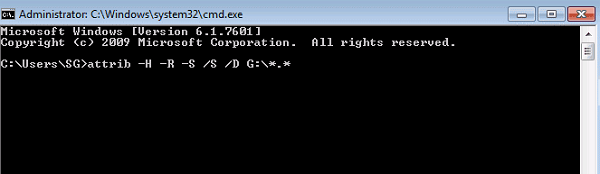
Step 2Type cd and drag the folder containing the ZIP into the window, then press Return.
Step 3Run unzip -t filename.zip to test the archive, then unzip filename.zip to extract it.
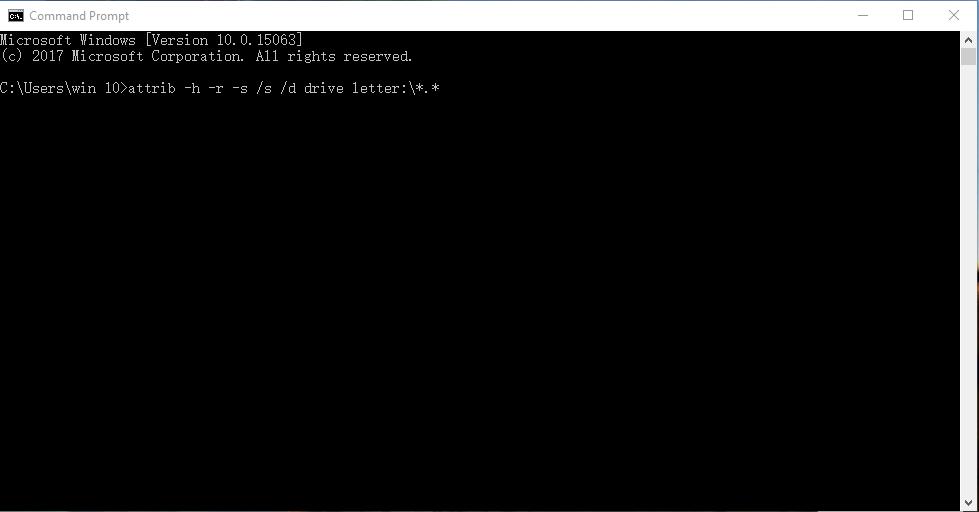
unzip -t filename.zip
Test the archive's integrity to see which files inside are corrupted.
Step 4If that fails, run unzip -FF filename.zip to force-repair the central directory.
zip -FF filename.zip --out repaired.zip
This creates a repaired.zip that attempts to fix the corruption. Confirm with Y, then try opening it.
Step 5Still broken? Try ditto -x -k filename.zip — macOS's own tool handles some files differently.
ditto -x -k filename.zip ~/Desktop/extracted
ditto extracts the contents into an 'extracted' folder, saving whatever it can even if some files are corrupted.
If no Terminal method works, the file may be too damaged to repair. Re-download it, restore from Time Machine, or — if it was deleted — scan with FoneLab Data Retriever.
Terminal looks intimidating, but these commands are safe to run on a copy of the file. The key is never to run them on the original if you can help it — the repair writes a new file, and you want the damaged original intact in case you need to try a different approach.
Part 4: Recover Deleted ZIP Files with FoneLab Data Retriever
If the ZIP was deleted and isn't in the Trash or Time Machine, use a data recovery tool. Deleted files aren't erased immediately — the space is just marked available. FoneLab Data Retriever found my test ZIP in about five minutes. ZIP recovery on Windows works the same way. I've tested this workflow and it reliably brings back recent deletions.
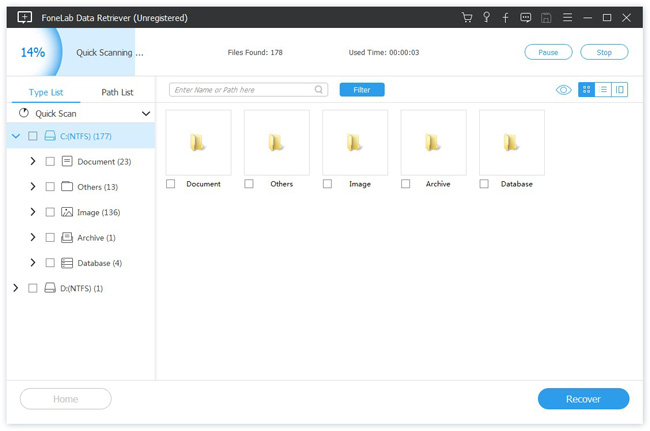
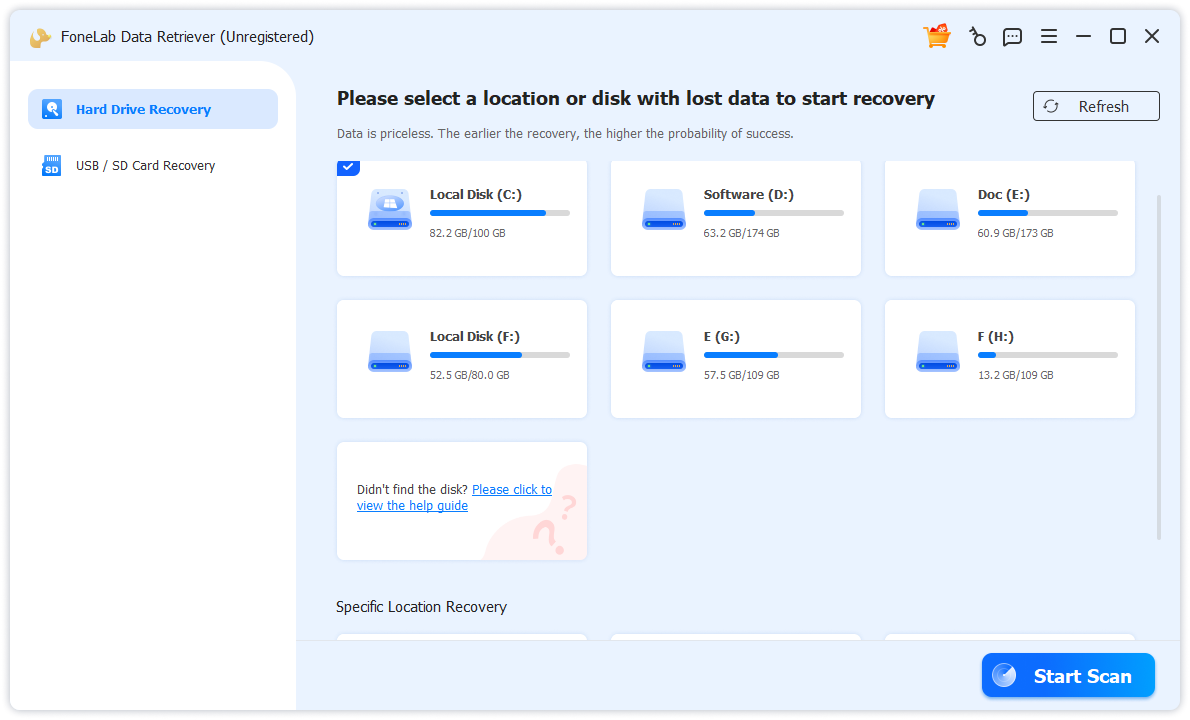
Act quickly — the longer you wait, the more likely the space is overwritten. Recovering ZIPs from a hard drive is covered separately if the archive sat on an external disk.
FoneLab Data Retriever - recover the lost/deleted data from computer, hard drive, flash drive, memory card, digital camera and more.
- Recover photos, videos, contacts, WhatsApp, and more data with ease.
- Preview data before recovery.
Step 1Install FoneLab Data Retriever — ideally on a different drive than the one with the deleted ZIP.
Step 2Launch it, select Mac Data Recovery, and choose the drive where the ZIP was.
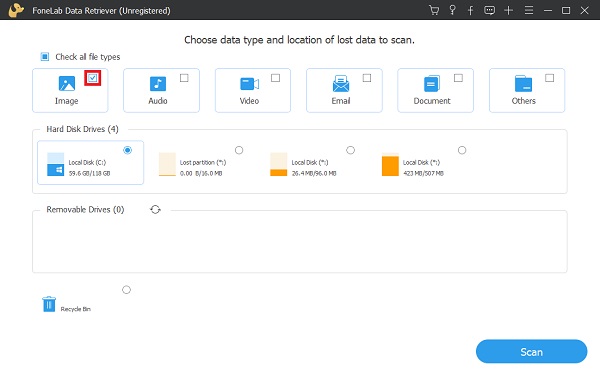
Step 3Check Archive under file types and click Scan.
Step 4Click Archive in the sidebar to see ZIP and RAR files. Run Deep Scan if the quick scan misses it.
Step 5Select the ZIP and click Recover, saving to a different drive.
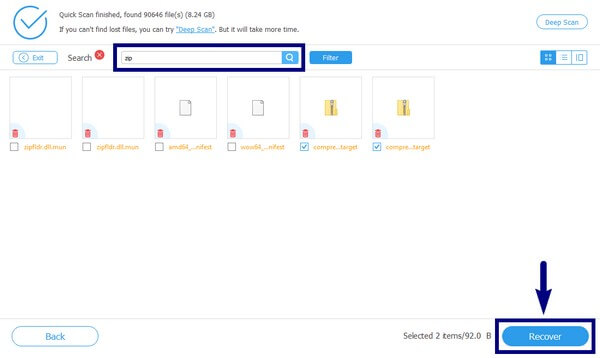
After recovering, copy the file to a second location. If the recovered ZIP is still corrupted, try the Terminal repair methods on the copy.
Recovered archives sometimes come back with a slightly different name or in a temp folder — check both before you re-scan. A slow scan beats a wrong guess.
Recovery software reads the raw drive, not just the visible file system, so it can often find ZIPs that Finder no longer shows. The catch is speed — deleted data stays only until something else writes over that space, so scan sooner rather than later.
Part 5: Repair vs. Recovery: Which Do You Actually Need?
Repair and recovery are different processes — here's a quick comparison so you use the right one.
| Repair | Recovery | |
|---|---|---|
| When to use | File exists but won't open / shows corruption error | File is deleted / missing / not in original location |
| Goal | Fix the existing file so it can be opened | Find and restore a deleted copy of the file |
| Methods | Terminal (unzip -t, zip -FF, ditto), third-party repair tools | Trash, Time Machine, data recovery software (FoneLab) |
| Success depends on | How severely the file is corrupted; incomplete downloads often can't be repaired | Whether the file's data has been overwritten; act quickly for best results |
| Data loss risk | Low (you're working with the existing file) | Medium (if you install recovery software to the same drive, you may overwrite the file) |
You may need both: recover a deleted ZIP, then repair the recovered copy if it's slightly corrupted. Confirm the file is truly gone before scanning.
Keep this rule in mind: if a file still exists but won't open, repair it; if it's gone entirely, recover it. Mixing the two up wastes time and occasionally makes things worse.
Part 6: How to Keep Your ZIP Files Safe on Mac
Prevention beats cure. These habits avoid ZIP corruption and loss entirely.
- The most common cause of corrupted ZIPs is an incomplete download — always wait for 100% before using the file.
- Eject external drives before unplugging.
- Run Disk Utility First Aid after crashes or shutdowns.
- Time Machine is the single best protection against data loss on Mac — set it up with an external drive and keep it running.
- Keep irreplaceable archives in more than one place.
- Cleaner apps can delete files you want to keep.
Time Machine alone has saved me half a dozen times — it's built into macOS, so use it.
One more habit: after you finish a project or a big download, take thirty seconds to move the important archives somewhere they're backed up. A ZIP sitting alone in Downloads is one crash away from being gone.
Part 7: FAQs About ZIP File Recovery on Mac
Why does my ZIP file say "Unable to expand" on Mac?
It usually means the archive is corrupted or incomplete, most often from a dropped download. Re-download the file from the original source, or try the Terminal repair methods in Part 3.
Can I recover a ZIP file I emptied from the Trash on Mac?
Yes, potentially. Emptying the Trash only frees the space — the data stays until overwritten. Act fast, scan with FoneLab Data Retriever, or restore from a Time Machine backup.
What's the difference between ZIP and RAR files, and do the same recovery methods apply?
ZIP is universal and opens natively on macOS; RAR needs third-party software. The recovery methods here work for both, though the Terminal repair is ZIP-specific.
How can I tell if a recovered ZIP file is safe to open?
Check the file size (too small usually means incomplete), let Gatekeeper scan it, and be cautious with executables inside. Files recovered from your own drive are generally safe.
Conclusion
Corrupted or deleted ZIPs on Mac are mostly solvable: check Trash, Downloads, and Time Machine first; repair what exists with Terminal (unzip -t, zip -FF, ditto); recover what's gone with FoneLab Data Retriever before data is overwritten. Set up Time Machine and keep copies to prevent the problem. The combination of quick checks, Terminal repair, and a recovery scan covers nearly every case.
FoneLab Data Retriever - recover the lost/deleted data from computer, hard drive, flash drive, memory card, digital camera and more.
- Recover photos, videos, contacts, WhatsApp, and more data with ease.
- Preview data before recovery.