
 iPhone Data Recovery
 iOS System Recovery
 iOS Data Backup & Restore
 iOS Unlocker
 iPhone Password Manager
 Location Changer
 Android Data Recovery
 Broken Android Data Extraction
 Android Data Backup & Restore
 Android Unlocker
 FoneTrans for iOS
 iPhone Data Eraser
 iPhone Cleaner
 HEIC Converter
 HyperTrans
 WhatsApp Transfer for iOS
 Mac Sweep
 Data Retriever
 Mac Data Retriever
 Video Converter Ultimate
 Screen Recorder
 Phone Mirror
- Part 1: What Does iTunes Backup Encryption Actually Do
- Part 2: How to Encrypt Your iTunes Backup
- Part 3: How to Check If Your Backups Are Already Encrypted
- Part 4: How to Turn Off iTunes Backup Encryption
- Part 5: What to Do If You Forget iTunes Encryption Password
- Part 6: Extract Data from iTunes Backup With Password
- Part 7: Comparison – Encrypted vs. Unencrypted Backups
- Unlock Apple ID
- Bypass iCloud Activation Lock
- Doulci iCloud Unlocking Tool
- Factory Unlock iPhone
- Bypass iPhone Passcode
- Reset iPhone Passcode
- Unlock Apple ID
- Unlock iPhone 8/8Plus
- iCloud Lock Removal
- iCloud Unlock Deluxe
- iPhone Lock Screen
- Unlock iPad
- Unlock iPhone SE
- Unlock Tmobile iPhone
- Remove Apple ID Password
Secure Your iPhone Data: How to Encrypt iTunes Backups
 Updated by
 I used to back up my iPhone without thinking twice. Plug it in, let iTunes run, done. Then one day, I needed to restore a backup after my phone died—and realized something important: my health data, passwords, and Wi-Fi networks weren't in the backup.
Turns out, if you don't encrypt your iTunes backups, Apple leaves out sensitive information. Passwords, Health data, HomeKit settings—all of it stays behind.
I learned that lesson the hard way. Now I encrypt every backup. Here's how to do it—and what to do if you forget the password.


Guide List
- Part 1: What Does iTunes Backup Encryption Actually Do
- Part 2: How to Encrypt Your iTunes Backup
- Part 3: How to Check If Your Backups Are Already Encrypted
- Part 4: How to Turn Off iTunes Backup Encryption
- Part 5: What to Do If You Forget iTunes Encryption Password
- Part 6: Extract Data from iTunes Backup With Password
- Part 7: Comparison – Encrypted vs. Unencrypted Backups
Part 1: What Does iTunes Backup Encryption Actually Do
When you encrypt an iTunes backup, you're protecting it with a password. More importantly, you're telling iTunes to include everything:
- Saved passwords (Wi-Fi, website logins, app passwords)
- Health data
- HomeKit configuration
- Activity rings from Apple Watch
- Call history
Without encryption, these items don't get backed up. So if you ever restore from an unencrypted backup, you'll have to re-enter all your passwords and lose your health data.
Part 2: How to Encrypt Your iTunes Backup
Encrypting a backup takes about 30 seconds. The process is the same whether you're using Finder (Mac Catalina or later), Apple Devices (Windows), or iTunes (older Macs or Windows).
Step 1Connect your iPhone or iPad to your computer with a USB cable.
Step 2Open Finder, Apple Devices, or iTunes. Click on your device icon.
Step 3In the General or Summary tab, scroll to the Backups section.
Step 4Check Encrypt local backup (or Encrypt iPhone/iPad backup in iTunes).
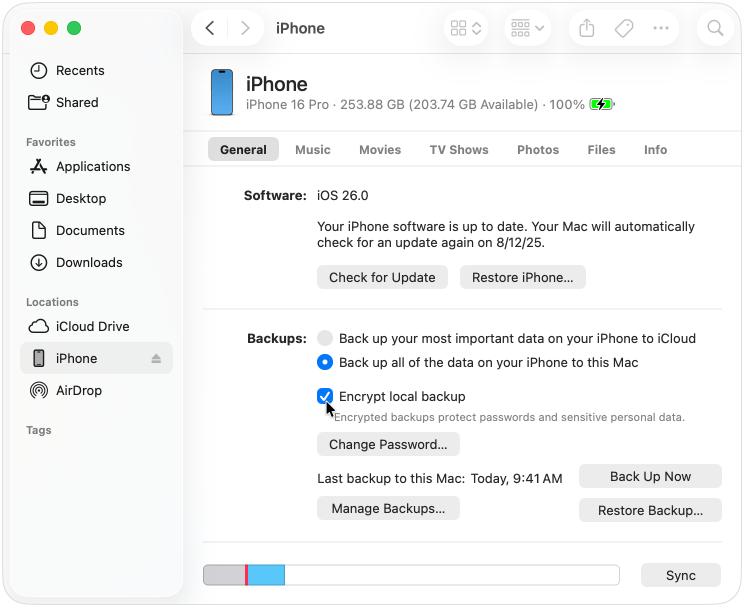
Step 5Create a password. Enter it twice, then click Set Password.
Important: Write this password down somewhere safe. If you forget it, you won't be able to restore from encrypted backups—or turn encryption off.
Part 3: How to Check If Your Backups Are Already Encrypted
If you're not sure whether you already have encryption turned on, here's how to check.
In Finder or Apple Devices:
Step 1Connect your iPhone and open Finder or Apple Devices.
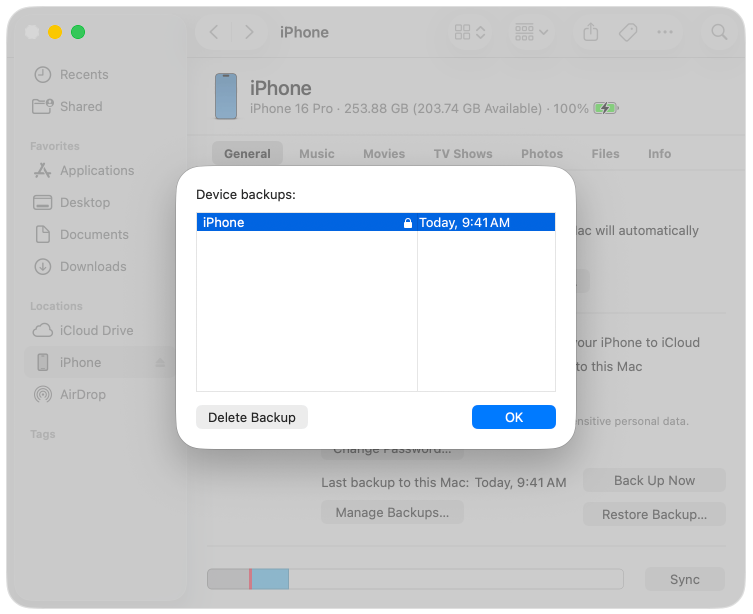
Step 2Click on your device icon. Look at the Backups section. If Encrypt local backup is checked, your backups are encrypted.
In iTunes:
Step 1Open iTunes. Click Edit (Windows) or iTunes > Preferences (Mac).
Step 2Click Devices. If you see a small lock icon next to your backup name, that backup is encrypted.
Part 4: How to Turn Off iTunes Backup Encryption
Turning iTunes backup off is simple If you no longer want your backups encrypted—as long as you remember the password.
Step 1Connect your iPhone to your computer. Open Finder, Apple Devices, or iTunes.
Step 2Click on your device icon and go to the General or Summary tab.
Step 3Under Backups, uncheck Encrypt local backup (or Encrypt iPhone backup in iTunes).
Step 4Enter your encryption password when prompted.
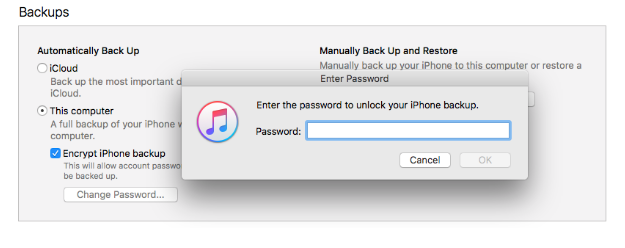
Step 5Click OK. Future backups will no longer be encrypted.
Important: If you forget the password, you can't turn off encryption without resetting your iPhone's settings (see Part 5).

FoneLab Helps you unlock iPhone screen, Removes Apple ID or its password, Remove screen time or restriction passcode in seconds.
- Helps you unlock iPhone screen.
- Removes Apple ID or its password.
- Remove screen time or restriction passcode in seconds.
Part 5: What to Do If You Forget iTunes Encryption Password
The iTunes backup password is saved differently from regular website passwords. Here's how to find it depending on your macOS version.
For macOS Sequoia (15) and later:
Step 1Open the Passwords app on your Mac.
Step 2Sign in with Touch ID or enter your user account password.
Step 3In the search bar, type iPhone Backup or iOS Backup.
Step 4Select the entry that appears. Click the Show Details button (or click the entry to expand it).
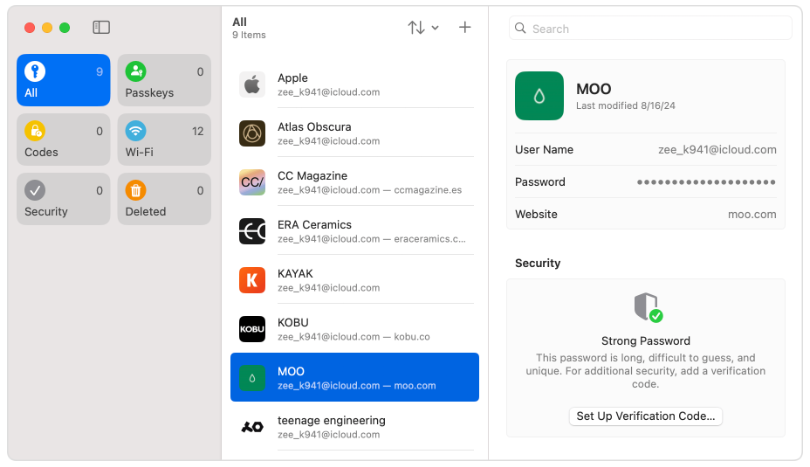
Step 5The password will be displayed. You can click Copy Password or view it directly.
For macOS Sonoma (14) and earlier:
Step 1Go to Apple Menu > System Settings.
Step 2Click Passwords. Sign in with Touch ID or enter your user account password.
Step 3In the search bar, type iPhone Backup or iOS Backup.
Step 4Select the entry. Click the Show Details button (the circled "i" or eye icon).
Step 5The password will be displayed. You can click Edit to copy it.
Alternative Method Using Siri:
Step 1Activate Siri on your Mac.
Step 2Say Show my passwords or Show me the iPhone backup password.
Step 3If Siri finds it, the Passwords app will open with the relevant entry highlighted.
Important: The iTunes backup password is saved as a system credential, not a website password. If you don't see it in Passwords, try searching for "iPhone Backup" or check if you're viewing All Passwords (not just a Shared Group). Also, make sure iCloud Keychain is turned on in System Settings > [Your Name] > iCloud > Passwords.
This saved me once when I found an old backup password I'd completely forgotten about.
Option 2: Check iCloud Passwords on Windows
If you use iCloud for Windows version 12.5 or later, open the iCloud Passwords app and search for iPhone Backup. If it's there, click to reveal it.
Option 3: Reset All Settings (iOS 11 and Later)
Reset all settings on iPhone doesn't recover the password, but it lets you set a new one for future backups.
Step 1Go to Settings > General > Transfer or Reset iPhone > Reset.
Step 2Tap Reset All Settings. Enter your iPhone passcode.
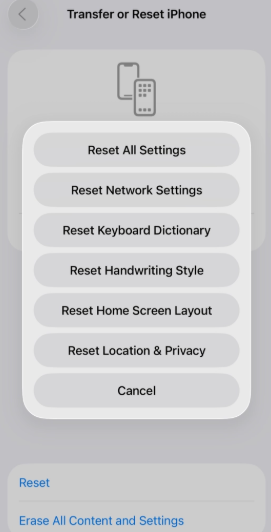
Step 3Your iPhone restarts. Connect to your computer and uncheck Encrypt local backup. It won't ask for the old password.
Step 4If you want, re-enable encryption with a new password.
Option 4: Remove Encryption with FoneLab iOS Unlocker
If you can't find the password and don't want to reset all your settings, some tools can remove the encryption requirement from your device entirely. I've used FoneLab iOS Unlocker for this—it has a Remove iTunes Backup Encryption Settings feature.
FoneLab Helps you unlock iPhone screen, Removes Apple ID or its password, Remove screen time or restriction passcode in seconds.
- Helps you unlock iPhone screen.
- Removes Apple ID or its password.
- Remove screen time or restriction passcode in seconds.
Step 1Download and install the tool on your computer. Launch it and select Remove iTunes Backup Encryption Settings from the main menu.
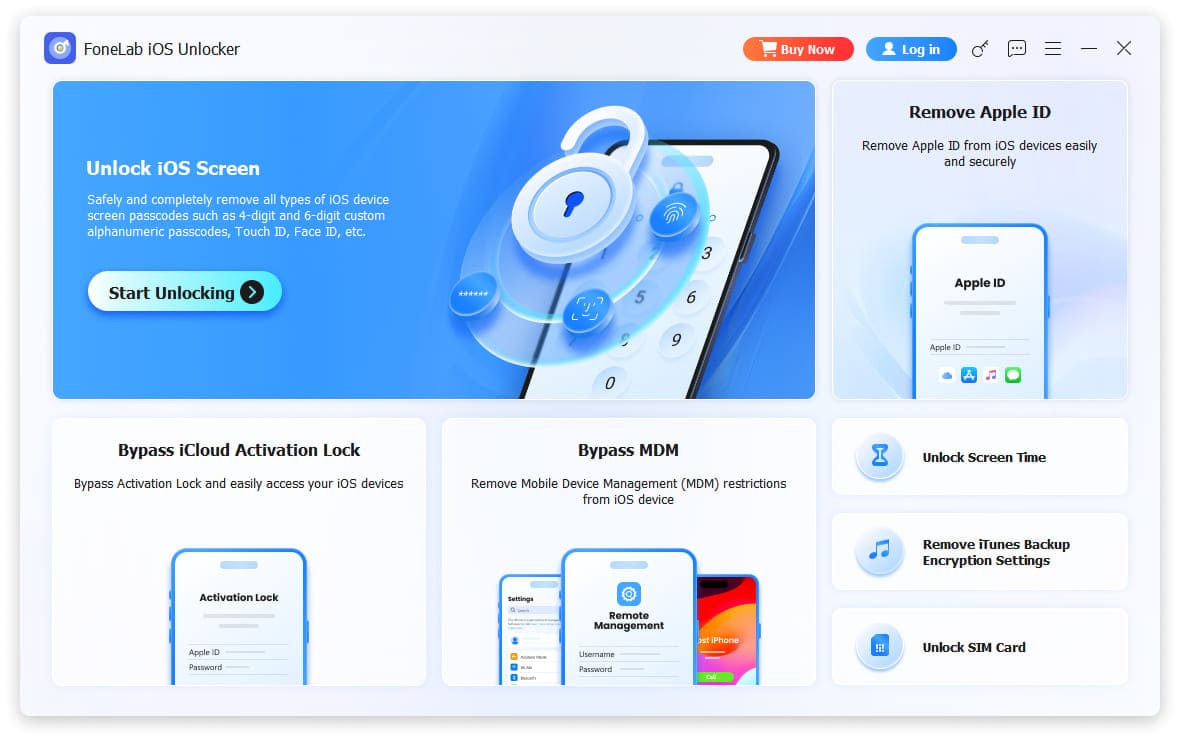
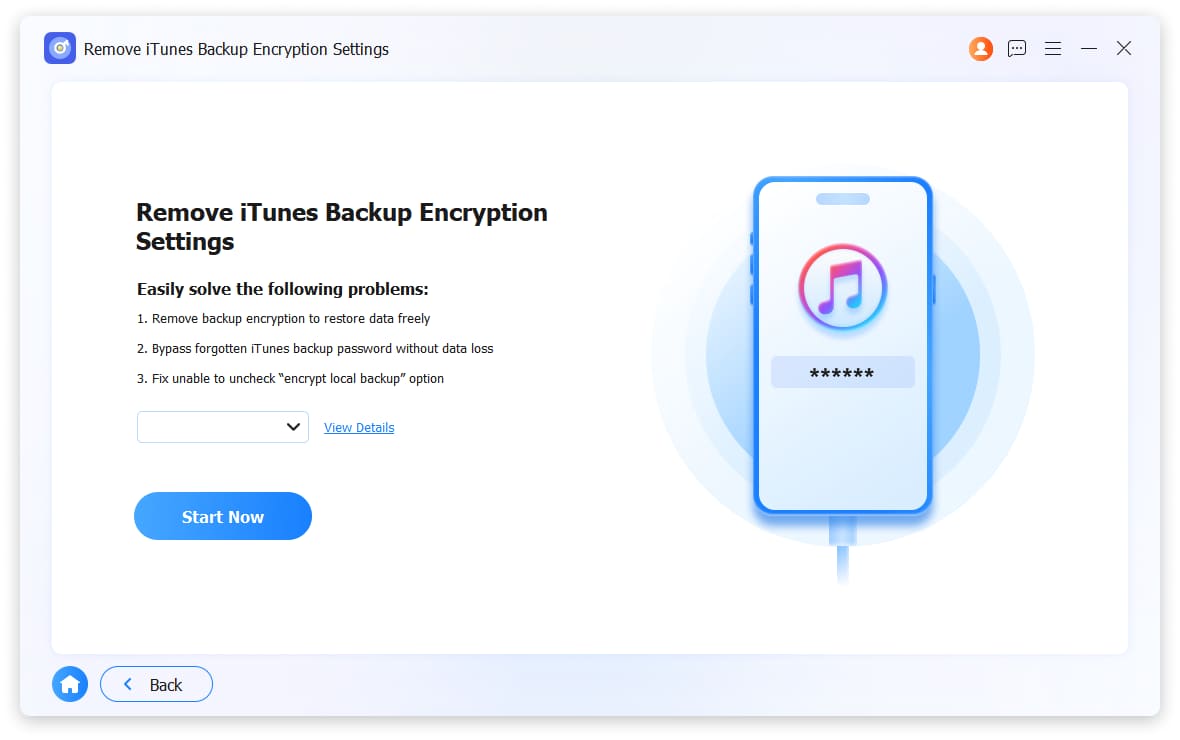
Step 2Connect your iPhone to the computer with a USB cable. Click Start Now.
Step 3The software will detect your device. Click Start Removal.
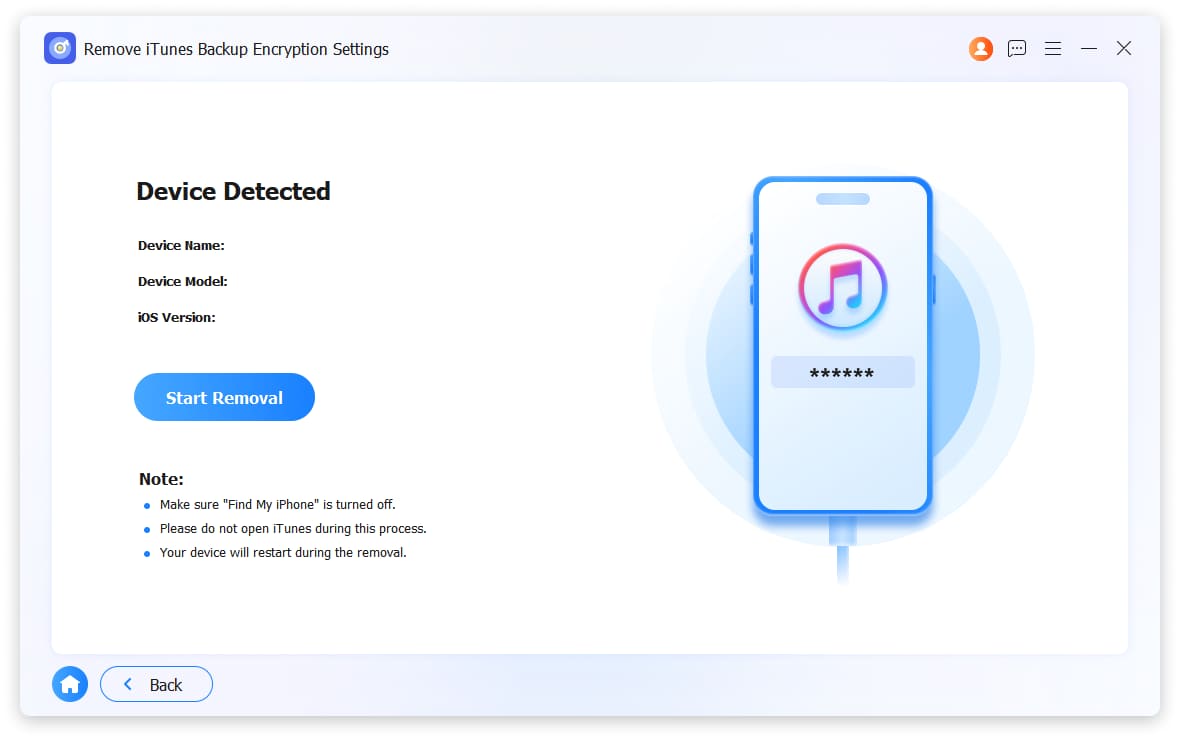
Step 4If prompted, turn off Find My iPhone temporarily (you can turn it back on after).
Step 5The tool will remove the encryption setting. Future backups won't ask for a password.
Important: This doesn't recover your old password—your old encrypted backups remain locked. But you can now create new, unencrypted backups.
FoneLab Helps you unlock iPhone screen, Removes Apple ID or its password, Remove screen time or restriction passcode in seconds.
- Helps you unlock iPhone screen.
- Removes Apple ID or its password.
- Remove screen time or restriction passcode in seconds.
Option 5: Forgot Passcode (iOS 15.2 and Later)
If you're locked out of your iPhone entirely, you can erase it from the lock screen—which also resets the backup encryption setting.
Step 1Enter the wrong passcode repeatedly until you see iPhone Unavailable.
Step 2Tap Forgot Passcode? and enter your Apple ID password.
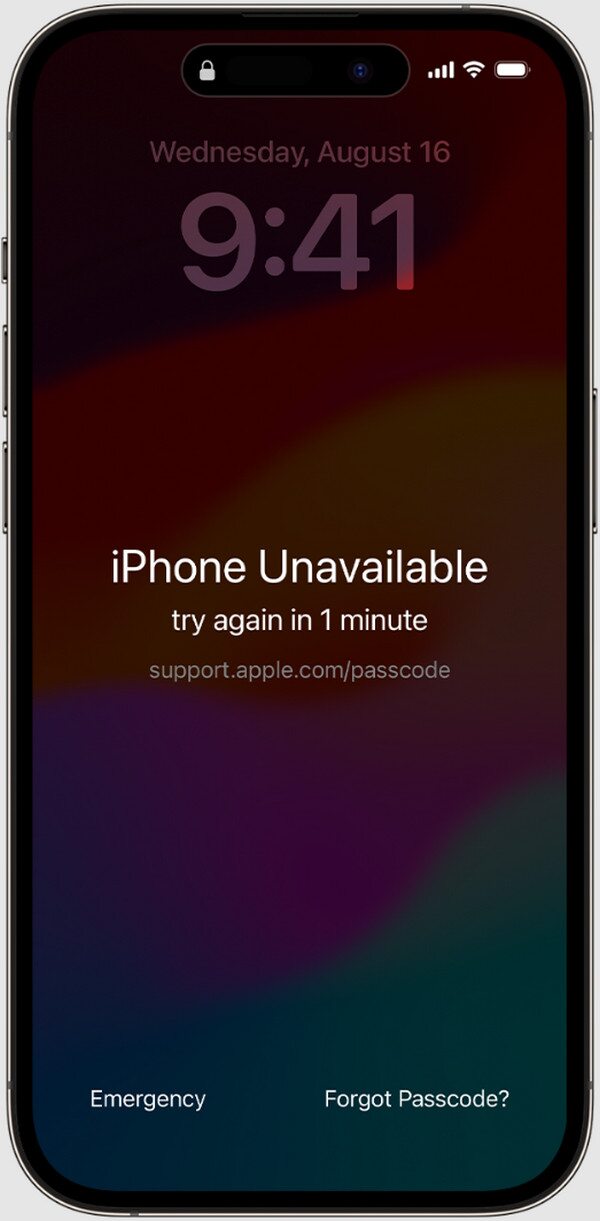
Step 3Your iPhone erases itself. After setup, you can create a new encrypted backup with a new password.
Part 6: Extract Data from iTunes Backup With Password
Maybe you remember the password, but you don't want to restore the entire backup to your iPhone. You just need a few photos, messages, or contacts from that backup.

With FoneLab for iOS, you will recover the lost/deleted iPhone data including photos, contacts, videos, files, WhatsApp, Kik, Snapchat, WeChat and more data from your iCloud or iTunes backup or device.
- Recover photos, videos, contacts, WhatsApp, and more data with ease.
- Preview data before recovery.
- iPhone, iPad and iPod touch are available.
FoneLab for iOS has a Recover from iTunes Backup Files feature that lets you browse and extract specific files.
Here we will show you how to restore iPhone backup from iTunes.
Step 1Download and install the tool. Launch it and select Recover from iTunes Backup Files.
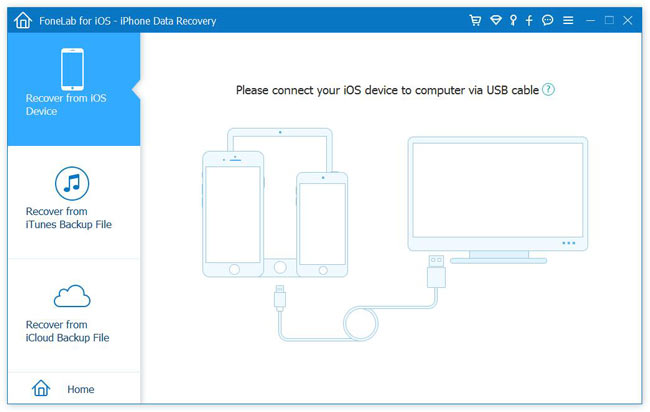
Step 2Select the encrypted backup from the list. Enter the password when prompted.
Step 3Preview all recoverable data—photos, messages, contacts, WhatsApp attachments, and more.
Step 4Select the specific files you want and click Recover. Save them to your computer.
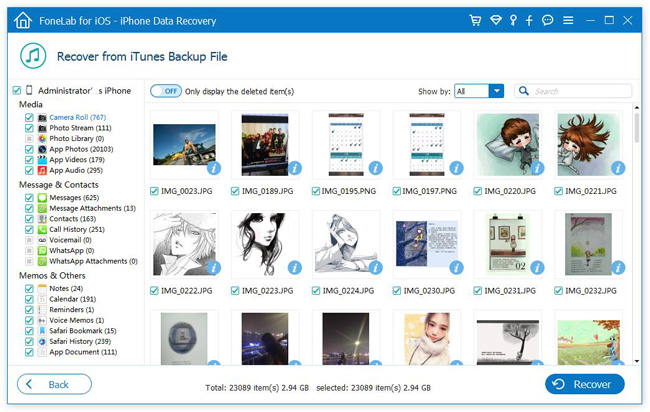
I used this recently when a friend needed old WhatsApp photos from a backup. Instead of wiping her phone to restore the whole backup, we pulled out just the photos she wanted in about 10 minutes.
With FoneLab for iOS, you will recover the lost/deleted iPhone data including photos, contacts, videos, files, WhatsApp, Kik, Snapchat, WeChat and more data from your iCloud or iTunes backup or device.
- Recover photos, videos, contacts, WhatsApp, and more data with ease.
- Preview data before recovery.
- iPhone, iPad and iPod touch are available.
Part 7: Comparison – Encrypted vs. Unencrypted Backups
| Feature | Encrypted Backup | Unencrypted Backup |
|---|---|---|
| Saved passwords | ✅ Included | ❌ Not included |
| Health data | ✅ Included | ❌ Not included |
| Wi-Fi networks | ✅ Included | ❌ Not included |
| HomeKit data | ✅ Included | ❌ Not included |
| Call history | ✅ Included | ❌ Not included |
| Requires password | Yes | No |
Conclusion
Encrypting your iPhone backups takes 30 seconds and saves a lot of headaches. Here's what to remember:
- Encrypt to save passwords and health data – Without it, you lose sensitive information.
- Write down your password – There's no password recovery option.
- Check Keychain or iCloud Passwords – You might have saved it.
- Reset All Settings – Lets you start fresh with a new password.
- Use FoneLab iOS Unlocker – Removes encryption entirely from your device.
- Extract specific files with FoneLab for iOS – If you know the password but don't want to restore everything.
I learned the hard way when I restored from an unencrypted backup and spent hours re-entering Wi-Fi passwords. Now I encrypt every backup—and I keep a copy of the password in a safe place. Trust me, it's worth it.
With FoneLab for iOS, you will recover the lost/deleted iPhone data including photos, contacts, videos, files, WhatsApp, Kik, Snapchat, WeChat and more data from your iCloud or iTunes backup or device.
- Recover photos, videos, contacts, WhatsApp, and more data with ease.
- Preview data before recovery.
- iPhone, iPad and iPod touch are available.