
 iPhone Data Recovery
 iOS System Recovery
 iOS Data Backup & Restore
 iOS Unlocker
 iPhone Password Manager
 Location Changer
 Android Data Recovery
 Broken Android Data Extraction
 Android Data Backup & Restore
 Android Unlocker
 FoneTrans for iOS
 iPhone Data Eraser
 iPhone Cleaner
 HEIC Converter
 HyperTrans
 WhatsApp Transfer for iOS
 Mac Sweep
 Data Retriever
 Mac Data Retriever
 Video Converter Ultimate
 Screen Recorder
 Phone Mirror
- Part 1: Turn Off iTunes Encryption Directly If You Know the Password
- Part 2: Find iTunes Encryption Password If You Forgot the Password
- Part 3: Reset All Settings to Remove iTunes Backup Password
- Part 4: FoneLab iOS Unlocker – Removing Encryption Lock Completely
- Part 5: What About Accessing Old Encrypted Backups?
Turn Off iTunes Backup Encryption (Even If You Forgot the Password)
 Updated by
 You connect your iPhone to your computer, open Finder (on Mac), the Apple Devices app (on Windows), or iTunes, and there it is: the little checkbox that says Encrypt local backup is checked, and grayed out. Every time you back up, you have to enter a password. Maybe you set it years ago and now you're tired of typing it. Maybe you forgot it completely. Or maybe you bought a second-hand device and the previous owner enabled encryption without telling you.
Whatever the reason, you just want it off.
I ran into this exact problem last year. I'd enabled encrypted backups years ago "just because," and eventually got sick of typing a password every single time I synced my phone. To make things more confusing, Apple has replaced iTunes with separate apps now—Finder on Mac (Catalina and later) and the Apple Devices app on Windows. But the encryption setting works exactly the same way across all of them.
After banging my head against this for days, I found a few methods that actually work. Here's what I learned.

Guide List
- Part 1: Turn Off iTunes Encryption Directly If You Know the Password
- Part 2: Find iTunes Encryption Password If You Forgot the Password
- Part 3: Reset All Settings to Remove iTunes Backup Password
- Part 4: FoneLab iOS Unlocker – Removing Encryption Lock Completely
- Part 5: What About Accessing Old Encrypted Backups?
Part 1: Turn Off iTunes Encryption Directly If You Know the Password
This is the simplest scenario. If you remember the password, disabling encryption takes about 30 seconds.
Step 1Connect your iPhone to your computer and open Finder (Mac) or Apple Devices/iTunes (Windows).
Step 2Select your device when it appears.
Step 3In the General or Summary tab, find the Backups section.
Step 4Uncheck Encrypt local backup.
Step 5Enter your encryption password when prompted and click OK.
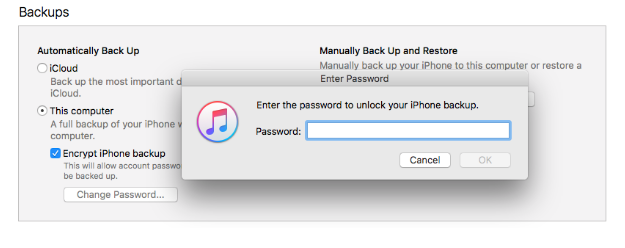
That's it. Future backups will no longer be encrypted. The checkbox will be empty, and you'll never be asked for that password again.

FoneLab Helps you unlock iPhone screen, Removes Apple ID or its password, Remove screen time or restriction passcode in seconds.
- Helps you unlock iPhone screen.
- Removes Apple ID or its password.
- Remove screen time or restriction passcode in seconds.
Part 2: Find iTunes Encryption Password If You Forgot the Password
Before you resort to more drastic measures, check if the password is stored somewhere. You might have saved it without realizing it.
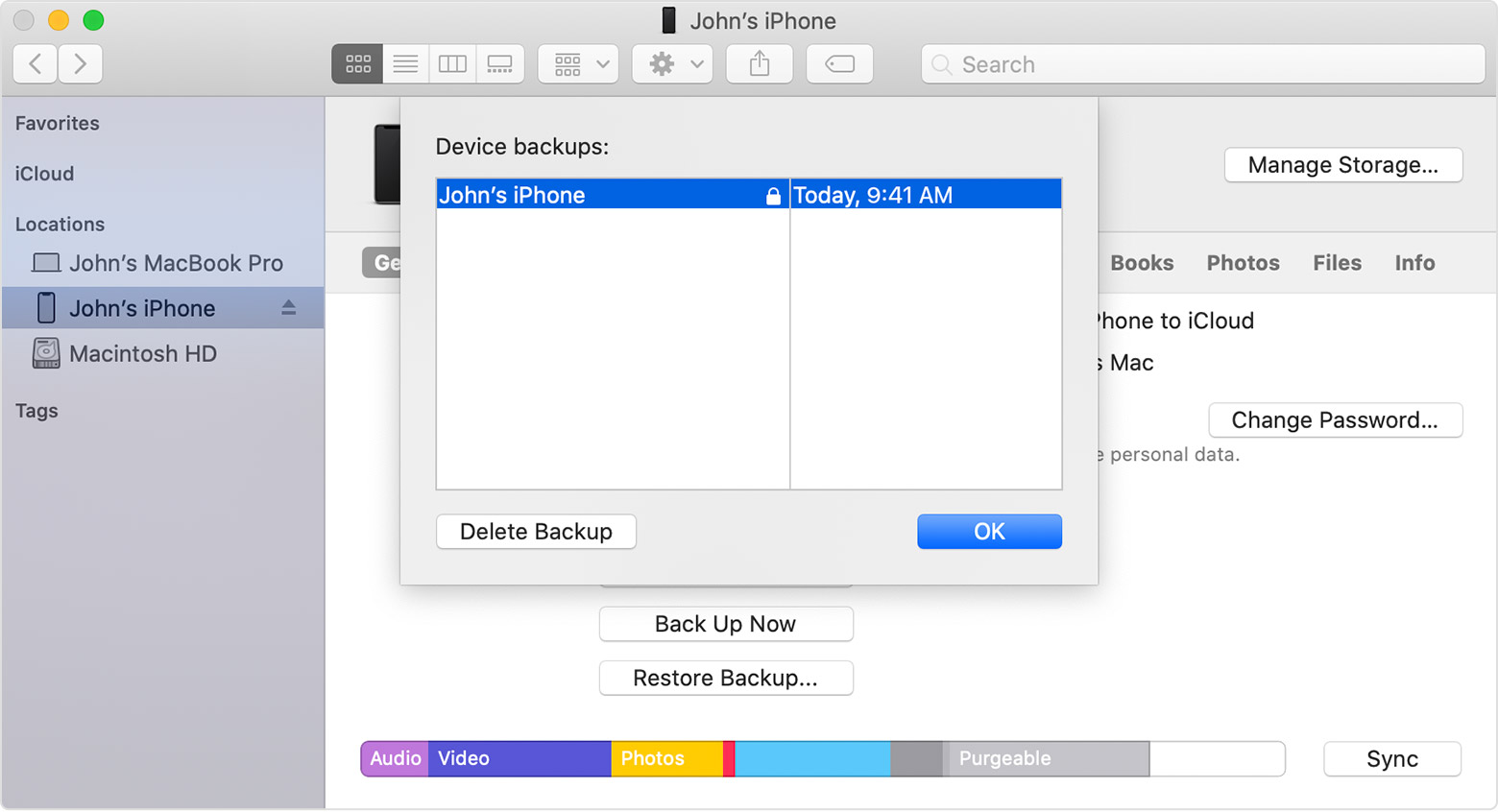
On a Mac (if you checked "Remember this password in my keychain"):
Step 1Open Applications > Utilities > Keychain Access.
Step 2Search for iPhone Backup in the top-right search box.
Step 3Double-click the entry, then check Show password. You'll need your Mac login password to reveal it.
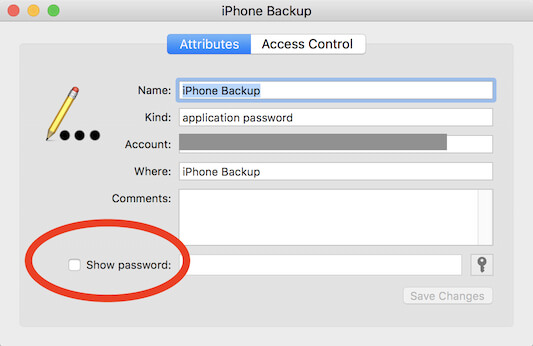
I actually found an old backup password this way that I'd completely forgotten about.
FoneLab Helps you unlock iPhone screen, Removes Apple ID or its password, Remove screen time or restriction passcode in seconds.
- Helps you unlock iPhone screen.
- Removes Apple ID or its password.
- Remove screen time or restriction passcode in seconds.
On Windows (if you use iCloud for Windows and sync passwords):
If you're a Windows user who also owns an Apple device, you might have iCloud for Windows installed with the iCloud Keychain (Passwords) feature enabled . This syncs your saved passwords—including Wi-Fi passwords, website logins, and app passwords—between your iPhone and Windows PC.
Download the iCloud Passwords app (available in iCloud for Windows version 12.5 or later), search for iPhone Backup, and if it's there, click to reveal the password. This only works if you previously saved the password to iCloud Keychain and it synced.
If you find it, great—go back to Part 1 and turn encryption off. If not, read on.
Part 3: Reset All Settings to Remove iTunes Backup Password
Apple added a workaround in iOS 11 and later. It won't recover the password, but it will let you turn encryption off by resetting the setting entirely.
Step 1On your iPhone, go to Settings > General > Transfer or Reset iPhone > Reset.
Step 2Choose Reset All Settings and enter your device passcode when prompted.
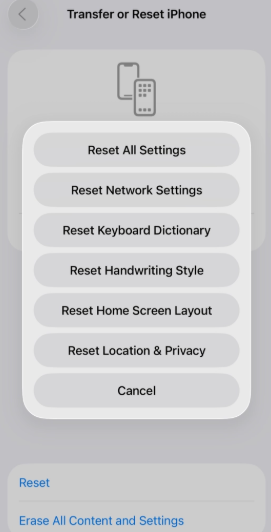
Step 3Your iPhone will restart. This doesn't delete your photos, apps, or personal data—it only resets things like wallpaper, display brightness, and notification settings. Crucially, it removes the iTunes backup encryption password.
Step 4Connect your iPhone to your computer again. Open Finder or Apple Devices.
Step 5Go to the Backups section. The Encrypt local backup checkbox should now be unchecked. If it's still checked, uncheck it—it won't ask for a password this time.
Important: This does not let you access previous encrypted backups—those are still locked with the old password. But it does let you stop encrypting future backups, which is the goal.
If your device is running iOS 10 or earlier, you can't reset the password this way. You'll need one of the software methods below.
Part 4: FoneLab iOS Unlocker – Removing Encryption Lock Completely
After Reset All Settings wasn't an option for my situation (and honestly, I didn't want to reset all my settings anyway), I needed another solution. That's when I found the Remove iTunes Backup Encryption Settings feature in FoneLab iOS Unlocker.
FoneLab Helps you unlock iPhone screen, Removes Apple ID or its password, Remove screen time or restriction passcode in seconds.
- Helps you unlock iPhone screen.
- Removes Apple ID or its password.
- Remove screen time or restriction passcode in seconds.
I used it on my Windows laptop, but the process is nearly identical on Mac—the software interface looks the same on both operating systems. What this tool does is remove the encryption requirement from your device entirely. It doesn't try to crack or recover your old password—it simply tells your iPhone to stop requiring encryption for backups going forward. Your old encrypted backups will still be locked, but you can finally create new, unencrypted backups.
How It Worked for Me (on Windows):
Step 1I downloaded and installed FoneLab iOS Unlocker on my Windows laptop. After launching the program, I selected Remove iTunes Backup Encryption Settings from the main menu. (If you're on a Mac, you'd do exactly the same thing—the interface is identical.)
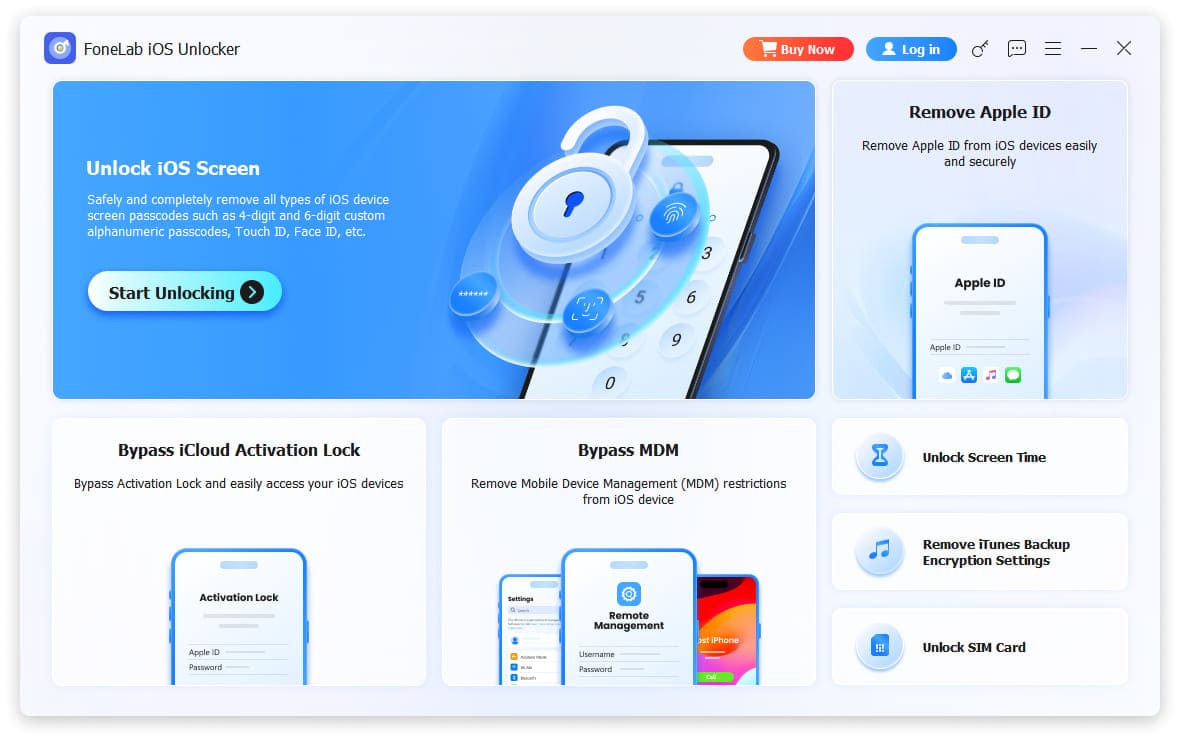
Step 2I connected my iPhone via USB and clicked Start Now. The software detected the device and displayed its info.
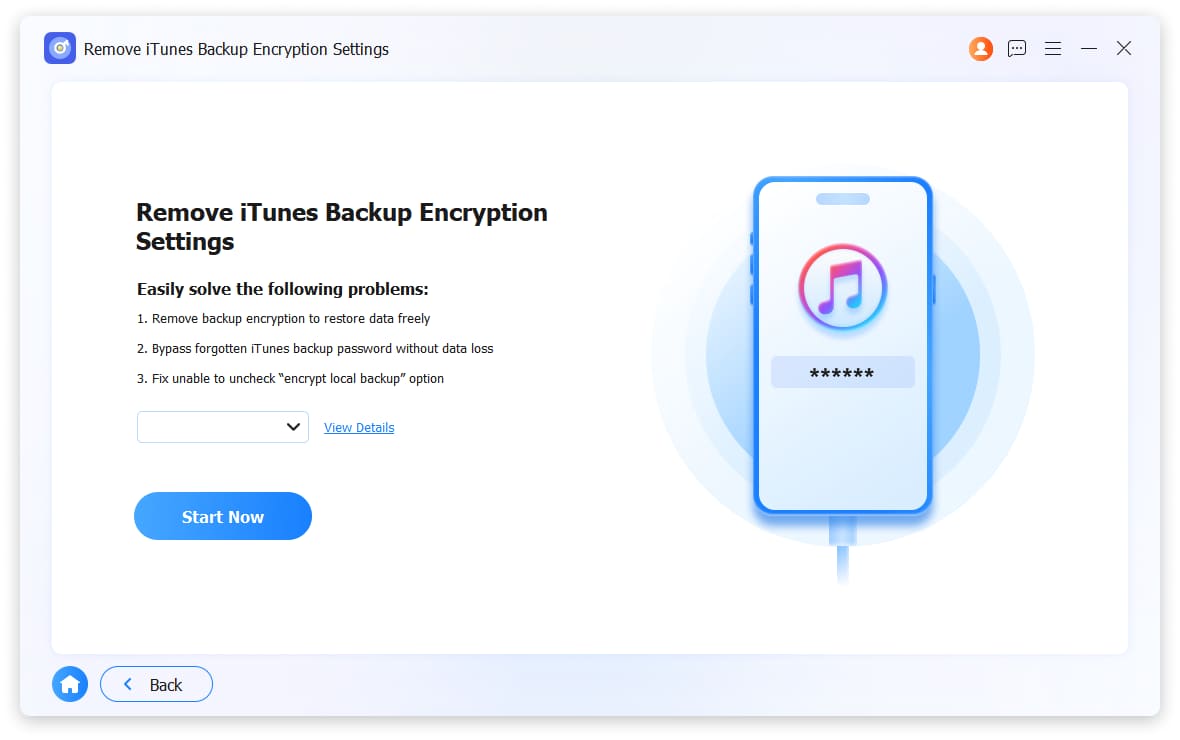
Step 3I clicked Start Removal and the program checked the device. It prompted me to turn off Find My iPhone if it was enabled. I went into Settings, turned it off temporarily, and clicked Continue.
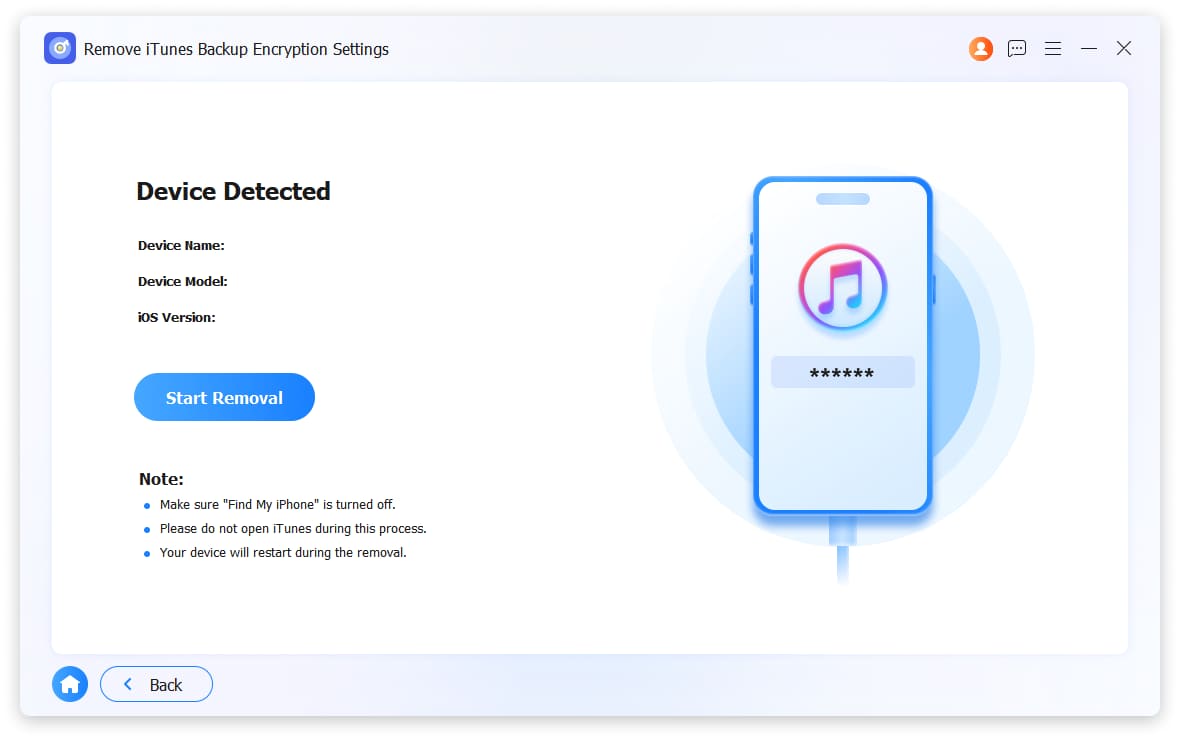
Step 4After I confirmed, the software worked for about 5-10 minutes. A message appeared saying the iTunes Backup Encryption Settings had been successfully removed.
Step 5I disconnected the iPhone, opened the Apple Devices app on Windows, and checked the Backups section. The Encrypt local backup checkbox was unchecked. I could finally back up without a password.
If you're on a Mac, the steps after removal are the same, just using Finder instead of Apple Devices.
FoneLab Helps you unlock iPhone screen, Removes Apple ID or its password, Remove screen time or restriction passcode in seconds.
- Helps you unlock iPhone screen.
- Removes Apple ID or its password.
- Remove screen time or restriction passcode in seconds.
Part 5: What About Accessing Old Encrypted Backups?
Turning encryption off doesn't unlock your old backups—those are still password-protected. If you need data from an old backup and you don't remember the password, you have two options:
Option A: FoneLab iPhone Password Manager – This tool scans your device and stored data for passwords you've saved over time. It can sometimes find the backup password if it was ever saved to your device or iCloud keychain.

FoneLab iPhone Password Manager enables you to scan, view, and classify and more for iPhone, iPad or iPod Touch.
- Scan passwords on iPhone, iPad or iPod touch.
- Export your passwords from devices and save them as a CSV file.
- Restore your passwords of email, Wi-Fi, Google, Facebook, etc.
Option B: FoneLab for iOS (Recover from iTunes Backup) – If you somehow recover or remember the password, this tool lets you browse the backup and extract specific files (photos, messages, etc.) without restoring the whole backup to your device.

With FoneLab for iOS, you will recover the lost/deleted iPhone data including photos, contacts, videos, files, WhatsApp, Kik, Snapchat, WeChat and more data from your iCloud or iTunes backup or device.
- Recover photos, videos, contacts, WhatsApp, and more data with ease.
- Preview data before recovery.
- iPhone, iPad and iPod touch are available.
But if your only goal is to stop encrypting future backups, focus on Parts 1, 3, or 4.
Which Method Should You Use?
- Part 1: Use this if you know the password—it's the fastest.
- Part 2: Use this if you think you might have saved the password somewhere.
- Part 3: Use this if you forgot the password and are on iOS 11 or later.
- Part 4: Use this if you forgot the password and can't or don't want to reset all settings.
- Part 5: Use these only if you need data from old encrypted backups.
The Bottom Line
Turning off iTunes backup encryption is simple if you know the password. If you don't, you have options:
- Check Keychain, iCloud Passwords or FoneLab iPhone Password Manager – You might have saved it.
- Reset All Settings – iOS 11 and later lets you clear the encryption setting.
- Use FoneLab iOS Unlocker – Removes the encryption requirement without resetting your device.
From my experience, if you've forgotten the password and don't want to reset all your settings, FoneLab iOS Unlocker is the most straightforward solution. It took about 10 minutes, and I haven't seen a password prompt since.
With FoneLab for iOS, you will recover the lost/deleted iPhone data including photos, contacts, videos, files, WhatsApp, Kik, Snapchat, WeChat and more data from your iCloud or iTunes backup or device.
- Recover photos, videos, contacts, WhatsApp, and more data with ease.
- Preview data before recovery.
- iPhone, iPad and iPod touch are available.