
 iPhone Data Recovery
 iOS System Recovery
 iOS Data Backup & Restore
 iOS Unlocker
 iPhone Password Manager
 Location Changer
 Android Data Recovery
 Broken Android Data Extraction
 Android Data Backup & Restore
 Android Unlocker
 FoneTrans for iOS
 iPhone Data Eraser
 iPhone Cleaner
 HEIC Converter
 HyperTrans
 WhatsApp Transfer for iOS
 Mac Sweep
 Data Retriever
 Mac Data Retriever
 Video Converter Ultimate
 Screen Recorder
 Phone Mirror
 Record Screen Now
Capture video, audio, online tutorial, etc on Windows/Mac, and you can easily customize size, edit the video or audio, and more.
Bandicam Audio Not Working? 5 Proven Fixes
 Updated by
 There is nothing more frustrating than finishing a perfect gameplay recording or a long tutorial, only to realize that when you hit play, there is nothing but silence. As a tech enthusiast who has spent years recording webinars, gaming sessions, and software tutorials, I've been there—and it's usually down to a minor configuration slip in Windows or Bandicam itself.
In this guide, I will share the exact troubleshooting workflow I use to isolate and fix Bandicam audio issues. We'll move from simple settings to deep-level software repairs, and I'll show you why many users are shifting to more modern, streamlined solutions when legacy settings fail.

Guide List
Part 1: Checking Bandicam Audio Settings
Before looking at your Windows system, we must ensure Bandicam is actually told to record your audio. Many users overlook the "Two-Sound Mixing" requirement in the software.
Step 1Open Bandicam and navigate to the Video tab.
Step 2Click the Settings button under the "Record" section.
Step 3Ensure the Record sound checkbox is ticked.
Step 4For the Primary Sound Device, select your microphone (e.g., your headset). For the Secondary Sound Device, select the system audio (e.g., Speakers).
Pro Tip: If you want to keep your mic and system audio separate for better post-production, check the box that says "Save audio tracks as separate files." This allows you to adjust volume levels independently later.
Part 2: Windows Sound Settings & Privacy
If Bandicam is configured correctly but you still hear nothing, the issue usually lies in how Windows handles privacy and device access.
Step 1Right-click the Speaker icon in your taskbar and select Sound settings.
Step 2Go to the Recording tab. Ensure your microphone is listed, enabled, and showing activity (green bars moving when you speak). If it's disabled, right-click and select Enable.
Step 3Go to Windows Settings > Privacy & security > Microphone. Ensure that Microphone access is turned ON and that specific permission is granted for desktop apps to access your microphone.
FoneLab Screen Recorder allows you to capture video, audio, online tutorial, etc on Windows/Mac, and you can easily customize size, edit the video or audio, and more.
- Record video, audio, webcam and take screenshots on Windows/Mac.
- Preview data before saving.
- It is safe and easy to use.
Part 3: Addressing Audio Driver Conflicts
Sometimes, the issue isn't software—it's the communication between your hardware and your operating system. Outdated audio drivers are a common culprit for "stuttering" or completely dropped audio.
Step 1Right-click the Start button and select Device Manager.
Step 2Expand the Sound, video and game controllers section.
Step 3Right-click your audio driver (e.g., Realtek High Definition Audio) and select Update driver. Choose "Search automatically for drivers."
Step 4If that doesn't work, right-click and select Uninstall device, then restart your computer. Windows will automatically reinstall a fresh, clean copy of the driver upon reboot.
Part 4: The "Fix-All" Alternative: Bandicam Repair
Sometimes the issue is a corrupted installation. If the steps above fail, your application's audio-decoding files might be conflicting with background enhancers.
Step 1Perform a Clean Reinstall. Completely uninstall Bandicam. A "dirty" uninstallation often carries over the same configuration errors.
Step 2Check for Background Enhancers. Many gaming laptops come with pre-installed audio software like Nahimic or Sonic Studio. If these are running, disable them temporarily; they often hijack the audio stream, leaving Bandicam with nothing to record.
Step 3Reset Preferences. Navigate to the Bandicam configuration folder (usually in Documents > Bandicam) and move or delete the .ini files. This forces the software to generate a clean, factory-default configuration file.
Part 5: Switch to a More Reliable Alternative: FoneLab
If you have performed a clean install and disabled audio enhancers, but you still face inconsistent audio, it's time to move to a more modern, integrated solution. As a professional, I prioritize reliability; I cannot afford to lose an hour of footage to technical glitches.
FoneLab Screen Recorder is my go-to recommendation when legacy software like Bandicam hits a wall.
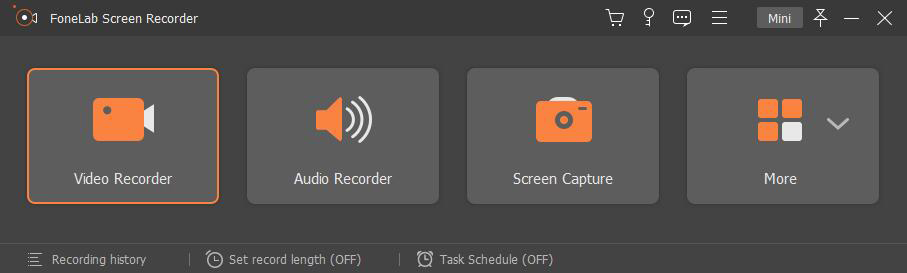
- Unified Audio Management: Unlike Bandicam, which requires complex dual-source configuration, FoneLab automatically detects system audio and mic inputs in a single, intuitive interface.
- Zero-Conflict Engine: It uses a modern encoding engine designed for Windows 10/11/12, bypassing the compatibility issues that often plague older recording software.
- Real-time Synchronization: It includes built-in audio-video synchronization, ensuring that your audio track doesn't "drift" during long sessions.
Comparison: Why FoneLab is More Reliable
| Feature | Bandicam (Manual Repair) | FoneLab Screen Recorder |
|---|---|---|
| Setup Effort | High (Requires Tweaks) | Low (Plug-and-Play) |
| Conflict Rate | High (Drivers/Enhancers) | Near Zero |
| User Interface | Legacy/Complex | Modern/Streamlined |
| Reliability | Moderate (Depends on OS) | High (Optimized) |
FoneLab Screen Recorder allows you to capture video, audio, online tutorial, etc on Windows/Mac, and you can easily customize size, edit the video or audio, and more.
- Record video, audio, webcam and take screenshots on Windows/Mac.
- Preview data before saving.
- It is safe and easy to use.
Part 6. Frequently Asked Questions (FAQ)
Q: Does Bandicam support 5.1/7.1 surround sound?
It can be finicky. If you are struggling with silence, switch your Windows output to "Stereo" first to see if that resolves the issue.
Q: How do I know if my microphone is the problem?
Try recording a clip using the Windows "Voice Recorder" app. If you have no sound there either, the issue is your microphone or Windows privacy settings, not Bandicam.
Q: Can I record system audio and mic separately?
Yes, FoneLab handles this automatically with a simple toggle switch, which is much more reliable than configuring secondary sound devices in older software.
Final Thoughts
Audio issues are rarely permanent. In my experience, 90% of the time, the problem is a misaligned permission or a driver conflict. Start with the simple settings in Part 1, and if you are tired of the complex configuration, do not hesitate to try a more modern tool like FoneLab Screen Recorder. Test your audio with a 10-second sample recording every time you change your system configuration—that one minute of preparation will save you hours of lost work.
FoneLab Screen Recorder allows you to capture video, audio, online tutorial, etc on Windows/Mac, and you can easily customize size, edit the video or audio, and more.
- Record video, audio, webcam and take screenshots on Windows/Mac.
- Preview data before saving.
- It is safe and easy to use.