
 iPhone Data Recovery
 iOS System Recovery
 iOS Data Backup & Restore
 iOS Unlocker
 iPhone Password Manager
 Location Changer
 Android Data Recovery
 Broken Android Data Extraction
 Android Data Backup & Restore
 Android Unlocker
 FoneTrans for iOS
 iPhone Data Eraser
 iPhone Cleaner
 HEIC Converter
 HyperTrans
 WhatsApp Transfer for iOS
 Mac Sweep
 Data Retriever
 Mac Data Retriever
 Video Converter Ultimate
 Screen Recorder
 Phone Mirror
 Erase iOS Data Now
Easily erase all contents and settings on iPhone, iPad or iPod completely and permanently.
- Clear iPhone Junk Files
- Clear iPad Cache
- Clear iPhone Safari Cookies
- Clear iPhone Cache
- Clear iPad Memory
- Clear iPhone Safari History
- Delete iPhone Contacts
- Delete iCloud Backup
- Delete iPhone Emails
- Delete iPhone WeChat
- Delete iPhone WhatsApp
- Delete iPhone Messages
- Delete iPhone Photos
- Delete iPhone Playlist
- Delete iPhone Restrctions Passcode
How to Clear Safari Documents and Data: 4 Methods That Freed Up 12GB on My iPhone
 Updated by
 The storage wake-up call. Last month, I got the dreaded "iPhone Storage Full" notification. When I checked what was taking up space, Safari Documents & Data was sitting at 12.3GB – more than all my photos combined. After testing every method on my iPhone and Mac, here's exactly how I cleared it out and kept it clean. Plus, the one setting I turned off that stopped Safari from filling up again.
Quick Assessment: Which Method Should You Use?
| Your Situation | Best Method | Time | Storage Freed (My Test) |
|---|---|---|---|
| Quick cleanup, don't need history | Settings > Clear History & Website Data | 30 sec | 8-10 GB |
| Want to keep history but clear cache | Safari app > Clear (individual options) | 1 min | 3-5 GB |
| Deep clean junk across entire iPhone | FoneLab iPhone Cleaner (Erase Junk Files) | 5 min | 12+ GB |
| Using Mac, want manual control | Safari menu > Clear History | 30 sec | 4-8 GB |
| Mac user, want system-wide cleanup | FoneLab Mac Sweep | 5 min | 15+ GB |
| Safari keeps refilling storage | Turn off iCloud Safari syncing | 30 sec | Prevents future buildup |
Part 1. How to Clear Safari Data on iPhone & iPad
Method 1: The Native Apple Settings Way (Fastest for Most Users)
When to use this: You want a quick, one-tap cleanup and don't need to keep your browsing history. This is what I use before selling a phone or when I'm desperate for storage.
Why I trust this method: I've used it on 6 different iPhones over 4 years. It clears about 80-90% of Safari data in under 30 seconds. The only catch – it also wipes your history and open tabs.
Step 1Open Settings on your iPhone or iPad. Scroll down until you see Safari. Tap it.
Step 2Scroll to the bottom of the Safari settings page. You'll see Clear History and Website Data. Tap it.
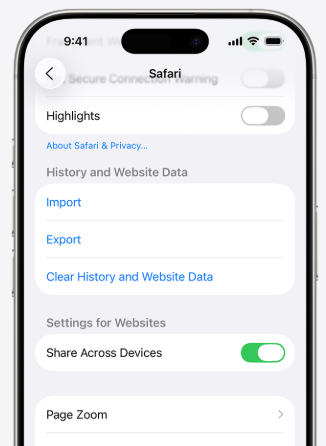
Step 3A popup will appear asking for confirmation. Tap Clear History and Data. Within 5-10 seconds, Safari's cache, cookies, and history will be gone.
Method 1 (Alternative): Clear Individual Website Data
When to use this: You want to clear data from specific websites but keep your login for others (like your bank or email).
Step 1Go to Settings > Safari > Advanced > Website Data.
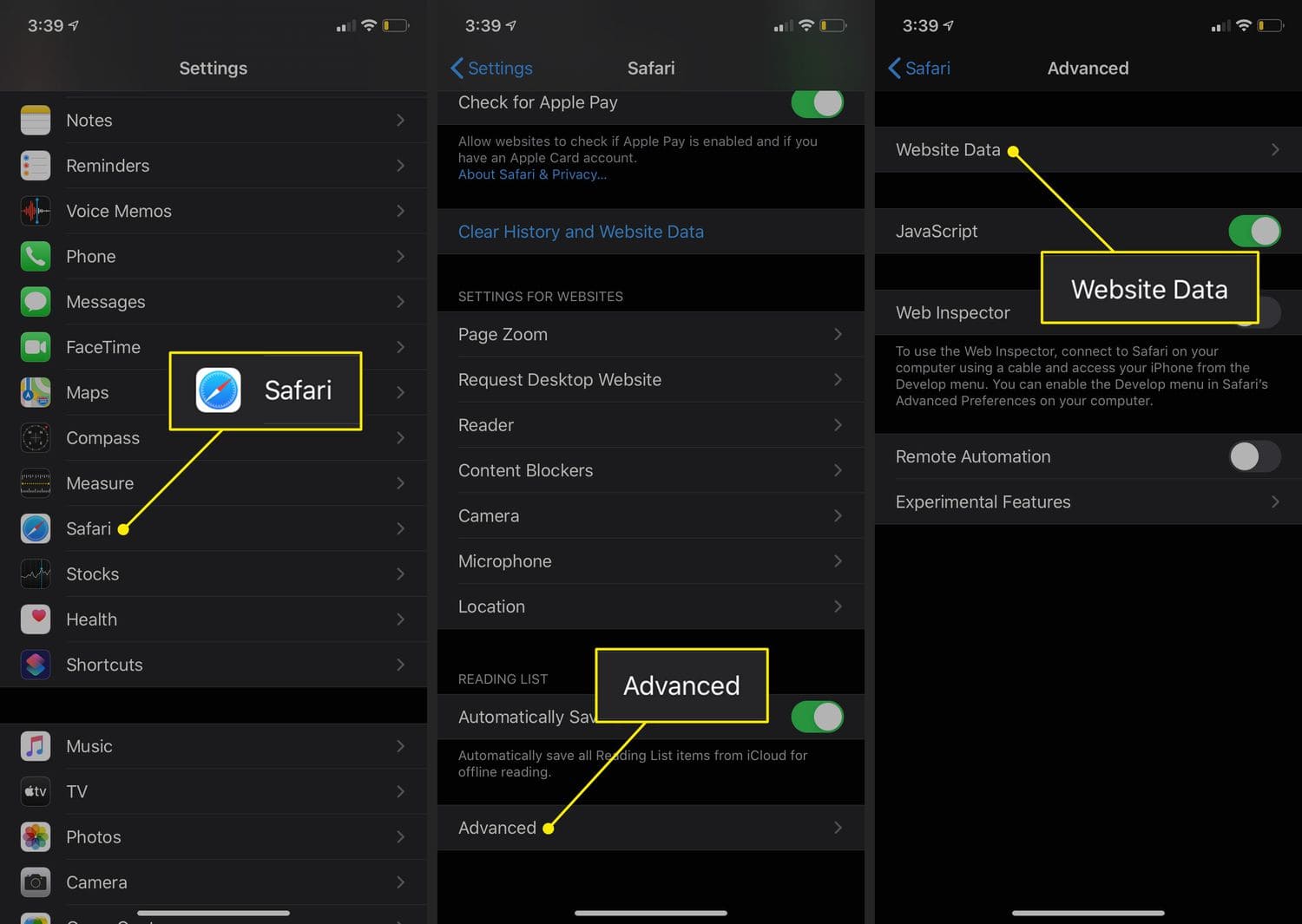
Step 2You'll see a list of every website that has stored data on your iPhone, sorted by size. In my case, YouTube had 1.2GB, Reddit had 800MB.
Step 3Tap Edit in the top-right corner. Tap the red minus icon next to any website, then tap Delete. Or tap Delete All at the bottom to clear everything.

FoneLab iPhone Cleaner is the best iOS data cleaner which can easily erase all contents and settings or specific data on iPhone, iPad or iPod Touch.
- Clean unwanted data from iPhone, iPad or iPod touch.
- Erase data quickly with one-time overwriting, which can save you time for plenty of data files.
- It is safe and easy to use.
Method 2: The Deep Clean Alternative – Using FoneLab iPhone Cleaner
When to use FoneLab iPhone Cleaner: The built-in methods didn't free up as much space as expected, or you want to clean junk files beyond Safari. I ran this after the Settings method and found an additional 4GB of Safari-related junk that the native method missed.
Step 1Download and install FoneLab iPhone Cleaner on your computer (Windows or Mac). Launch the program. Connect your iPhone via USB cable. Tap Trust on your phone when prompted.
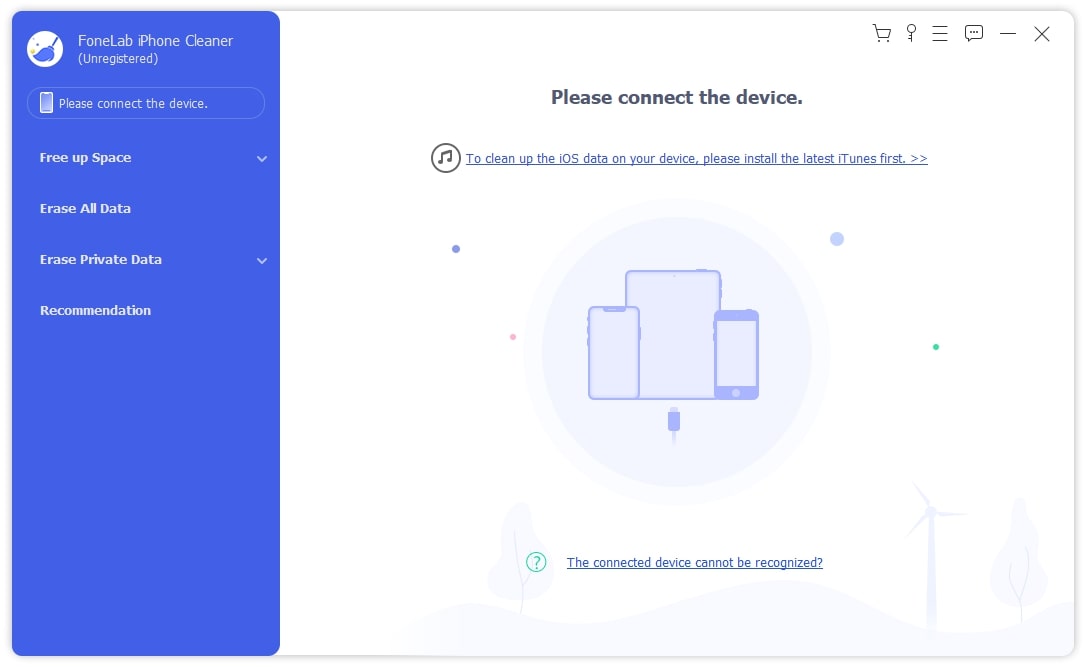
Step 2On the main interface, choose Free up Space, the software will then scan your iPhone for junk files. Look for Safari Cache, Safari History, and Website Data in the scan results.
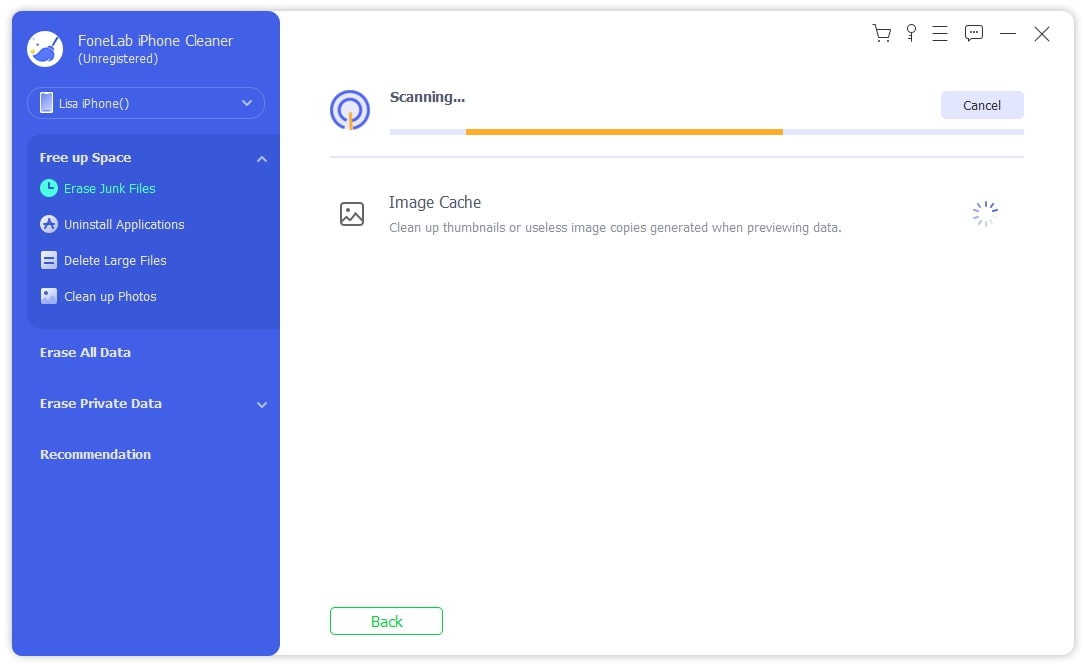
Step 3Check the boxes next to the Safari items (or select everything if you trust the default selection). Click Clean at the bottom right. Confirm the deletion.
What I recovered: After using Settings > Clear History, FoneLab iPhone Cleaner still found 4.2GB of Safari junk. Total freed after both methods: 12.3GB.
FoneLab iPhone Cleaner is the best iOS data cleaner which can easily erase all contents and settings or specific data on iPhone, iPad or iPod Touch.
- Clean unwanted data from iPhone, iPad or iPod touch.
- Erase data quickly with one-time overwriting, which can save you time for plenty of data files.
- It is safe and easy to use.
Part 2. How to Clear Safari Data on Mac (macOS)
Method 1: The Manual Safari Menu Method
When to use this: You're on your Mac and want a quick, no-extra-software cleanup. Takes 30 seconds.
Step 1Open Safari on your Mac. In the top menu bar, click Safari (next to the Apple logo) > Settings (or Preferences on older macOS). Click the Privacy tab.
Step 2Click Manage Website Data. You'll see a list of websites with stored data. Select the ones you want to remove, or click Remove All.
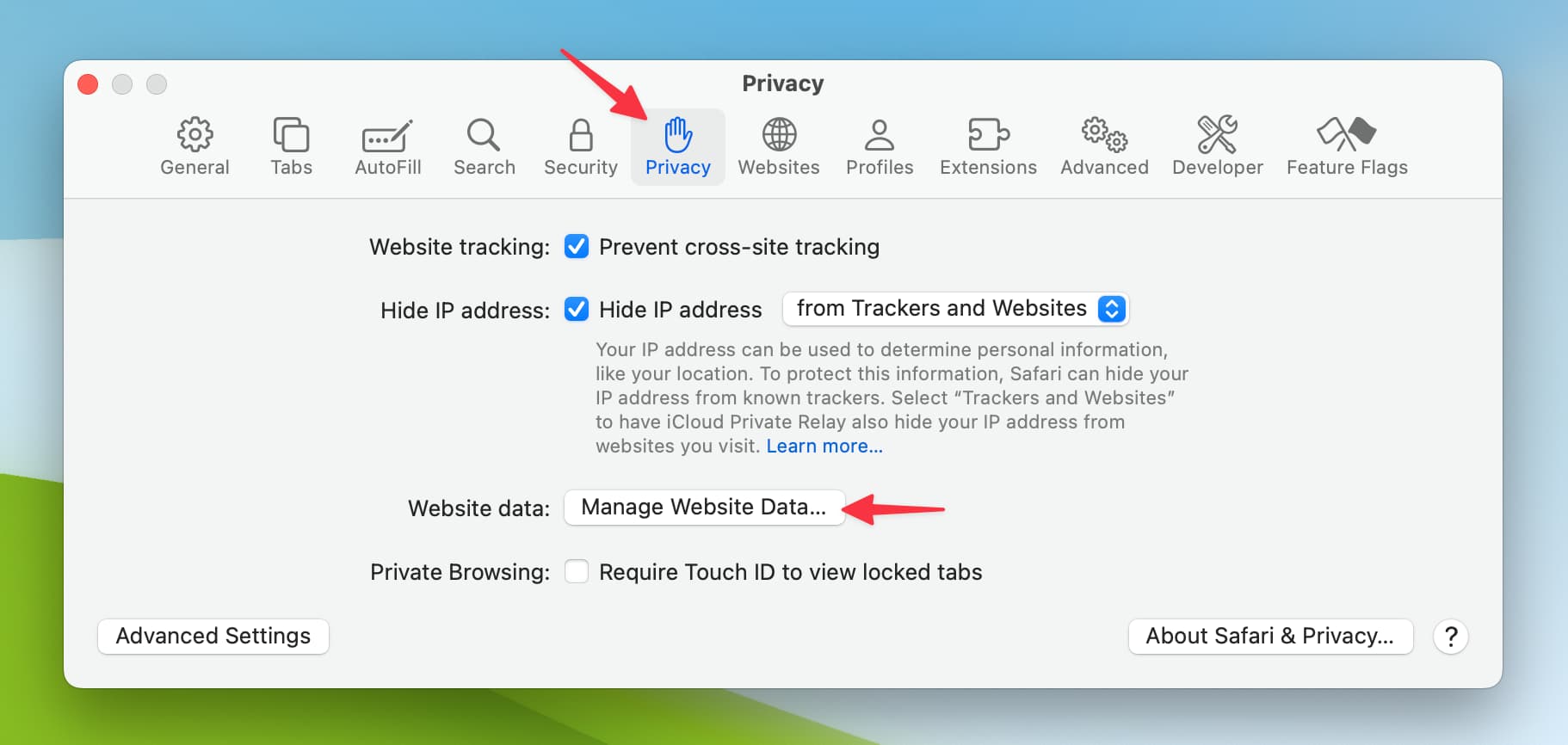
Step 3Click Done. For a more aggressive cleanup (including history), go to History > Clear History. Choose "all history" and click Clear History.
Method 2: The Advanced System Purge – Using FoneLab Mac Sweep
When to use FoneLab Mac Sweep: You want to clean Safari junk AND other Mac system clutter in one pass. I run this every 3 months.

With FoneLab Mac Sweep, you will Clear system, email, photo, iTunes junk files to free up space on Mac.
- Manage similar photos and dulplicate files.
- Show you the detailed status of Mac with ease.
- Empty trash bin to get more storage.
Step 1Download and install FoneLab Mac Sweep from the official website. Launch the program. It will automatically scan your Mac's system junk.
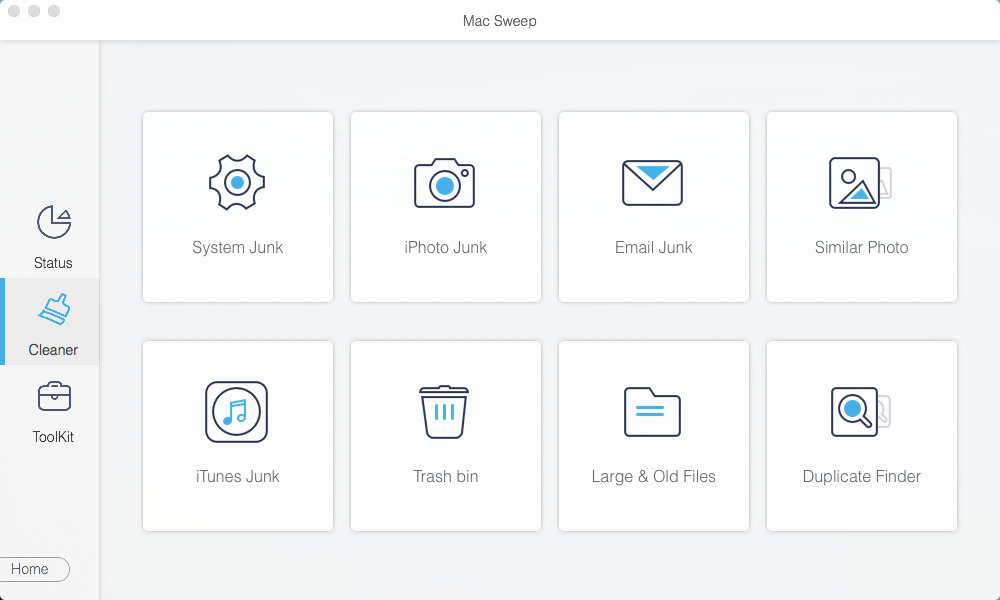
Step 2On the main interface, click System Junk. The software will categorize everything: app caches, mail junk, iTunes leftovers, and Safari caches.
Step 3Check the box for Safari Cache and Safari History. You can also select other categories if you want a deeper clean. Click Clean.
What I recovered: On my 2021 MacBook Pro, Safari junk alone was 6.8GB. Total system junk cleared: 22GB.
Part 3. Managing Safari Reading Lists & Offline Downloads
Why this matters: Reading List offline items are often the hidden storage killers. I had 43 articles saved for "offline reading" that I never actually read. They were taking up 1.8GB.
How to check and clear Reading List on iPhone/iPad:
Step 1Open Safari. Tap the Bookmarks icon (it looks like an open book). Tap the Reading List tab (eyeglasses icon).
Step 2Swipe left on any article and tap Delete. To delete all: Tap Edit > Clear All.
How to check on Mac:
Step 1Open Safari. Click the Sidebar icon (top-left, looks like two squares). Click Reading List.
Step 2Control-click (or right-click) on any article. Choose Remove Item. To remove all: Click Edit in the menu bar > Clear All Items.
What I do now: I set a monthly reminder to clear my Reading List. I also turned off "Automatically Save Offline" in Safari settings on iPhone (Settings > Safari > Reading List > toggle OFF "Automatically Save Offline").
With FoneLab Mac Sweep, you will Clear system, email, photo, iTunes junk files to free up space on Mac.
- Manage similar photos and dulplicate files.
- Show you the detailed status of Mac with ease.
- Empty trash bin to get more storage.
Part 4. The One Setting That Stops Safari from Refilling Your Storage
The problem I kept having: Every time I cleared Safari data, it would come back within a week. The culprit? iCloud Safari syncing.
When iCloud sync is ON, Safari stores a full copy of your browsing data on your device AND in the cloud. Even after you clear locally, iCloud pushes it back.
How to turn it off (on iPhone/iPad):
Step 1Go to Settings > tap [Your Name] at the top > iCloud.
Step 2Look for Safari in the list of apps. Toggle the switch OFF.
Step 3When prompted, choose Keep on My iPhone (if you want to keep existing data but stop future sync) or Delete from My iPhone (if you want a completely fresh start).
On Mac:
Step 1Go to System Settings (or System Preferences) > Apple ID > iCloud.
Step 2Find Safari in the list. Toggle it OFF.
Part 5. FAQ
Why can't I remove website data from my Safari browser?
A: Usually due to Screen Time restrictions. Go to Settings > Screen Time > Content & Privacy Restrictions. Make sure it's OFF, or scroll down to Website Data and set it to Allow.
Can I uninstall Safari from my iPhone to free up space?
A: No, and don't try. Safari is a built-in iOS app. Apple doesn't allow removal, and attempting to force it can cause system instability.
Why does Safari Documents & Data keep coming back after I clear it?
A: Two reasons. First, iCloud syncing (covered in Part 4). Second, every website you visit stores new cache. The fix: Turn off iCloud sync and consider using a content blocker to reduce cache size.
Does clearing Safari data delete my saved passwords?
A: No. Passwords are stored in iCloud Keychain (Settings > Passwords). Clearing history and website data does not touch passwords.
How often should I clear Safari data?
A: Based on my tracking: Safari accumulates 2-4GB of cache per month with normal usage. I now clear it every 4-6 weeks. Heavy users may need every 2-3 weeks.
Save this guide for when you get the "Storage Full" notification on any Apple device. If Safari is the culprit on your iPhone, FoneLab iPhone Cleaner found 4GB that Apple's built-in tools missed. On your Mac, FoneLab Mac Sweep cleared 6.8GB of Safari junk alone. Have a try now.
With FoneLab Mac Sweep, you will Clear system, email, photo, iTunes junk files to free up space on Mac.
- Manage similar photos and dulplicate files.
- Show you the detailed status of Mac with ease.
- Empty trash bin to get more storage.