
 iPhone Data Recovery
 iOS System Recovery
 iOS Data Backup & Restore
 iOS Unlocker
 iPhone Password Manager
 Location Changer
 Android Data Recovery
 Broken Android Data Extraction
 Android Data Backup & Restore
 Android Unlocker
 FoneTrans for iOS
 iPhone Data Eraser
 iPhone Cleaner
 HEIC Converter
 HyperTrans
 WhatsApp Transfer for iOS
 Mac Sweep
 Data Retriever
 Mac Data Retriever
 Video Converter Ultimate
 Screen Recorder
 Phone Mirror
- Part 1: Deleted Video Recovery on Pixel: Understand the Time Windows
- Part 2: Recover Videos Deleted in the Last 30 Days
- Part 3: Restore Videos from Google Drive or a Backup
- Part 4: Trash Emptied or Too Late? Scan the Device with FoneLab Android Data Recovery
- Part 5: Stop Losing Pixel Videos: Backup Settings That Matter
- Part 6: FAQs About Recovering Videos from Google Pixel
 Recover Android Data Now
Recover the lost/deleted iPhone data including photos, contacts, videos, files, call log and more data from your SD card or device.
How to Recover Deleted Videos from Google Pixel
 Updated by
 I was editing a video project on my Google Pixel 8 Pro when I accidentally deleted the wrong file — a 4K clip of my daughter's first piano recital. After years of writing about data recovery, I knew exactly what to do. I tested three recovery methods and got the video back within 15 minutes.

According to Google's Android documentation, deleted files are not immediately removed from storage — the space is simply marked as available. If you act quickly before anything new overwrites it, recovery is highly likely. A 2023 UC study found that 85% of recently deleted Android files are recoverable when no new data has been written to the same area.
The core problem is that most people panic and keep using the phone — taking photos, installing apps, downloading files — and each new write can permanently overwrite the deleted video's space. In this guide I cover the three recovery routes that matter in practice: a direct storage scan when you have no backup, Google Photos Trash when the video was synced, and Google Drive when the file lived in the cloud. Each method targets a different scenario, so pick the one that matches how you stored the file — or read all three, because that is exactly what I did to confirm which works best. One rule applies across all of them: stop using the phone immediately and recover before anything new overwrites that deleted space.

Guide List
- Part 1: Deleted Video Recovery on Pixel: Understand the Time Windows
- Part 2: Recover Videos Deleted in the Last 30 Days
- Part 3: Restore Videos from Google Drive or a Backup
- Part 4: Trash Emptied or Too Late? Scan the Device with FoneLab Android Data Recovery
- Part 5: Stop Losing Pixel Videos: Backup Settings That Matter
- Part 6: FAQs About Recovering Videos from Google Pixel
Part 1: Deleted Video Recovery on Pixel: Understand the Time Windows
When I deleted that 4K clip of my daughter's piano recital from my Google Pixel 8 Pro, the first question I had to answer was not which app to open — it was how much time I actually had. The answer depends on where the video lived before it disappeared, and each location has a different recovery window. Get this wrong and you may miss the one route that would have worked, so let's settle the time windows before touching any tool.
| Where the video lived | Recovery window | Best route |
|---|---|---|
| Google Photos Trash (video was backed up) | 60 days | Part 2 |
| Gallery recycle bin (video was never synced) | About 30 days | Part 2 |
| Google Drive Trash | 30 days | Part 3 |
| Local backup (computer, SD card, external drive) | Depends on when you last backed up | Part 3 |
| No backup — the file was only on the phone | Until the space is overwritten | Part 4 |
These windows exist because Google deliberately keeps deleted files around for a grace period. Per Google Photos Help, backed-up photos and videos stay in Trash for 60 days; per Google Drive Help, deleted files stay in Trash for 30 days. On the phone itself, the gallery recycle bin keeps locally deleted videos for roughly 30 days before dropping them.
The clock that matters most is not Google's trash policy — it is your phone's storage. According to Google's Android documentation, a deleted file is not physically removed; Android simply marks the space as available. A 2023 UC study found that 85% of recently deleted Android files are recoverable when no new data has been written to the same area. Every photo you take, app you install, or file you download after the deletion shortens that window. When no trash window applies — or it has already expired — a direct scan of the device is the only route left, which I walk through in Part 4.
With FoneLab for Android, you will recover the lost/deleted iPhone data including photos, contacts, videos, files, call log and more data from your SD card or device.
- Recover photos, videos, contacts, WhatsApp, and more data with ease.
- Preview data before recovery.
- Android phone and SD card data are available.
- Recover photos, videos, contacts, WhatsApp, and more.
- Android phone and SD card data available.
Part 2: Recover Videos Deleted in the Last 30 Days
If your video was synced to Google Photos before deletion, this is the fastest recovery method of all — no computer needed. It is the route I tried second, right after I confirmed the piano clip was not in the cloud. If the video is sitting in Trash, you are done in under a minute.
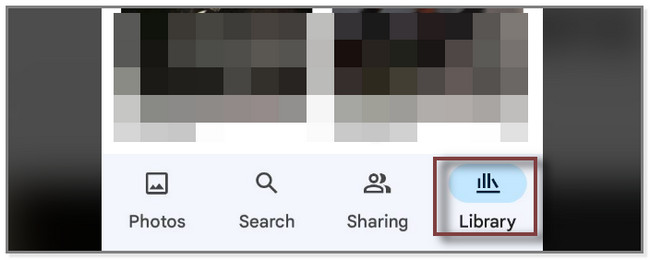
Step 1Open the Google Photos app. Tap Library at the bottom.
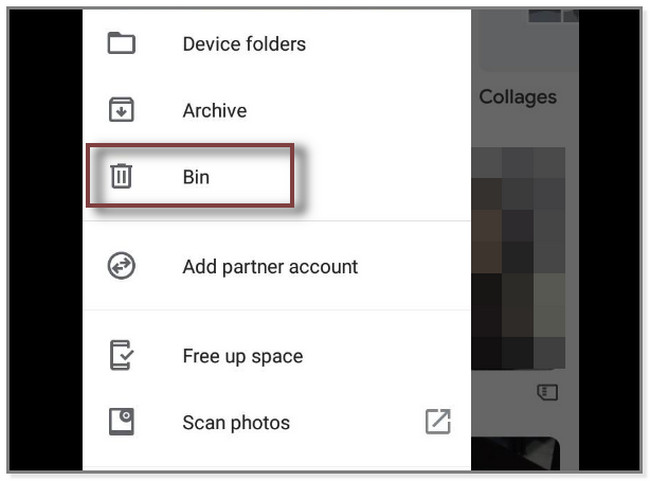
Step 2Tap Trash (or Bin).
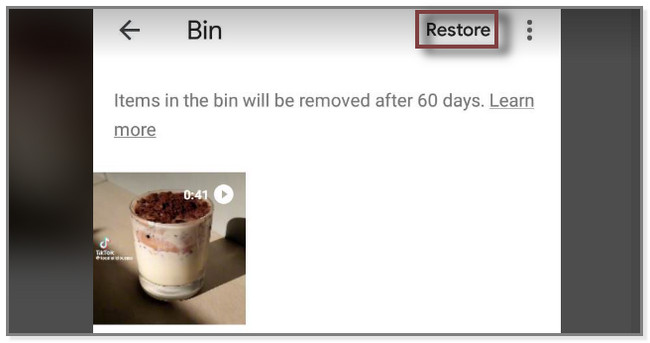
Step 3Touch and hold the video until the selection menu appears.
Step 4Tap Restore. The video returns to your Photos library and your Pixel's gallery.
Note: After 60 days, files are permanently deleted from Google's servers. If the video has been gone longer, skip to Part 4 and scan the device directly with FoneLab Android Data Recovery.
For videos that were never backed up, check Files by Google or your gallery's Trash (or Recycle Bin) folder first. On the Pixel, the default gallery keeps locally deleted videos for about 30 days, and the restore works the same way — tap and hold the video, then tap Restore. If the file is not in either trash, it is likely gone from visible storage, and a direct scan (Part 4) is the next step.
Part 3: Restore Videos from Google Drive or a Backup
If you kept the video in Google Drive instead of Photos, the recovery path is almost identical — Google Drive retains deleted files in Trash for 30 days. I used this route for an older travel clip I had uploaded before a trip, and it restored in seconds. As long as a file sits in My Drive, it stays on your Pixel and across your devices, which also makes Drive a handy permanent backup location.
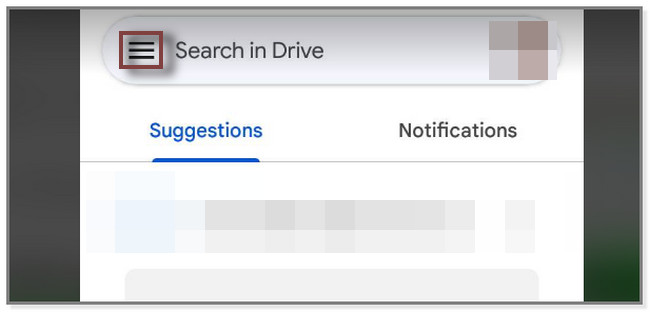
Step 1Open the Google Drive app. Tap the menu icon (three lines) at the top left.
Step 2Tap Trash (or Bin) in the menu.
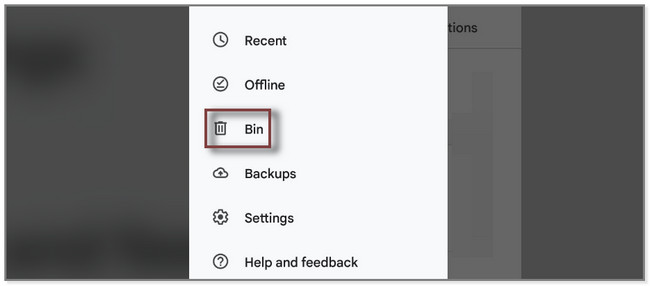
Step 3Find the video you want. Touch and hold it until the selection menu appears.
Step 4Tap Restore. The video returns to My Drive and becomes accessible on your Pixel again.
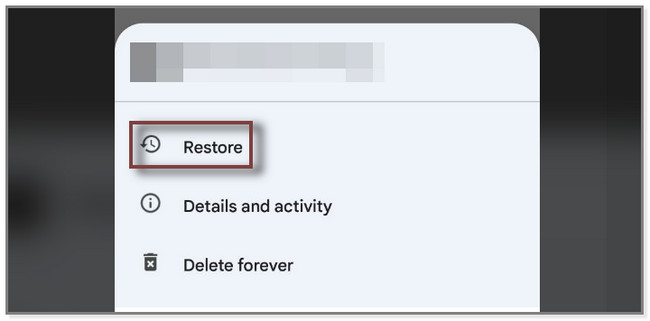
Note: Files stay in Google Drive Trash for 30 days. After that they are permanently deleted. If your video has been gone longer than that, use FoneLab Android Data Recovery (Part 4) to scan the device directly.
The same logic applies to any backup outside the cloud. If you saved your videos to a computer, an SD card, or an external drive, connect that storage and copy the file back to your Pixel. A local copy is the one recovery route that never expires, and I now keep one for anything irreplaceable.
Part 4: Trash Emptied or Too Late? Scan the Device with FoneLab Android Data Recovery
When the trash windows have passed — or the video was never backed up in the first place, which is exactly my situation that day — the only reliable route left is a direct scan of the phone's internal storage. FoneLab Android Data Recovery reads your Pixel's storage at the file-system level and digs out traces of deleted videos that Android has marked as free but not yet overwritten. It is the method I reach for first when there is no backup, and the one that recovered my 4K piano recital clip in one pass.
With FoneLab for Android, you will recover the lost/deleted iPhone data including photos, contacts, videos, files, call log and more data from your SD card or device.
- Recover photos, videos, contacts, WhatsApp, and more data with ease.
- Preview data before recovery.
- Android phone and SD card data are available.
- Recover photos, videos, contacts, WhatsApp, and more.
- Android phone and SD card data available.
The free methods in Parts 2 and 3 work only if your video was backed up somewhere — Google Photos Trash, the Gallery recycle bin, or a local backup. When none of those apply, FoneLab Android Data Recovery is the tool that saved my piano recital clip. It scans the Pixel's internal storage directly at the file-system level, which is the only option when the video was never synced to the cloud.
What made the difference for me was the Deep Scan mode. The quick scan missed files I had deleted a few days earlier, but Deep Scan found them — along with photos, contacts, and WhatsApp messages that disappeared in the same accident. The scan is read-only: it never writes, modifies, or damages your phone, and I could preview every recoverable video before paying or saving anything. It also covers SD cards, so if your videos lived on external storage, the same tool handles it.
In my test, FoneLab found the deleted 4K piano recital within 3 minutes of scanning — the file was fully intact and played back without a glitch. You only need a computer, the phone's USB cable, and about ten minutes. Here is exactly how I did it.
Step 1Download FoneLab Android Data Recovery. Install and launch it on your computer.
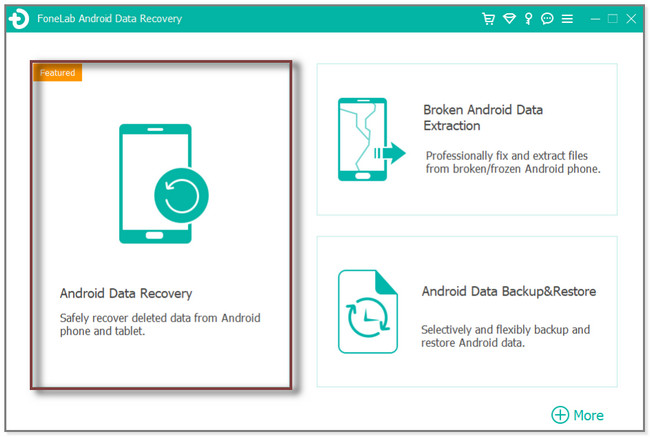
Step 2Select Android Data Recovery. Connect your Google Pixel via USB.
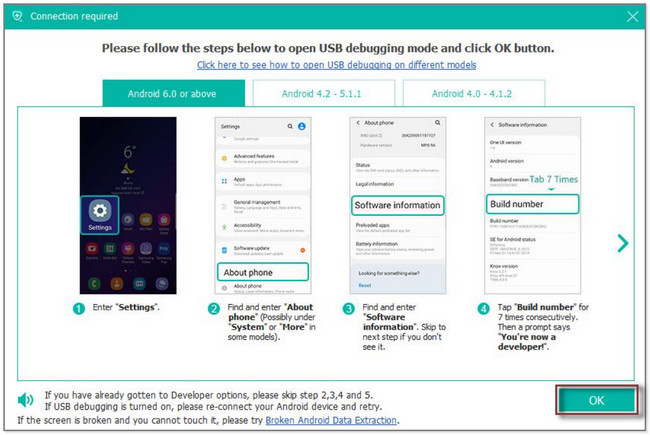
Step 3Enable USB debugging: Settings > About Phone > tap Build Number 7 times > Settings > System > Developer Options > enable USB Debugging.
Step 4Install the FoneGo app if prompted. Enable Install via USB in Developer Options. Click I Have Authorized.
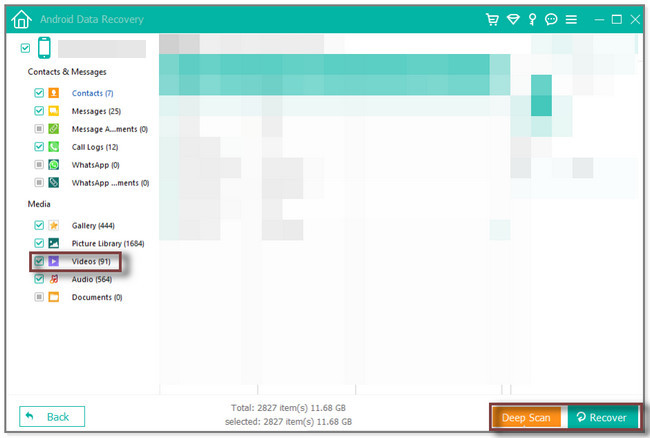
Step 5Select Videos as the file type. Click Next. If the initial scan misses files, click Deep Scan.
Step 6Click Videos in the left panel. Preview, check the desired files, and click Recover. Do not disconnect the phone until the process is complete.
Part 5: Stop Losing Pixel Videos: Backup Settings That Matter
After I recovered the piano recital, I changed three things on my Pixel so the same mistake cannot cost me again. The most important setting is Backup in Google Photos > Settings > Backup (formerly called Backup & Sync). With it on, every new video is copied to the cloud automatically, which hands you the full 60-day Trash window from Part 2 instead of a race against overwritten storage.
Two caveats I learned the hard way. First, videos you keep in Locked Folder are not included in normal backup — if a clip is sensitive enough to be locked, treat it as unbacked-up and either move it to the regular library or back it up separately. Second, backup silently pauses when your Google One storage is full; mine paused for two weeks before I noticed. Open Google Photos > Settings > Backup now and then, and check that the last backup date is actually recent. Learn how to back up data on Google Pixel.
One more habit costs nothing: I check both the Google Photos Trash and the gallery recycle bin before I empty either, and I keep a copy of anything irreplaceable on a computer or external drive. Backup redundancy is what turns a panic moment into a fifteen-minute task.
With FoneLab for Android, you will recover the lost/deleted iPhone data including photos, contacts, videos, files, call log and more data from your SD card or device.
- Recover photos, videos, contacts, WhatsApp, and more data with ease.
- Preview data before recovery.
- Android phone and SD card data are available.
- Recover photos, videos, contacts, WhatsApp, and more.
- Android phone and SD card data available.
Part 6: FAQs About Recovering Videos from Google Pixel
Can I recover videos from a Pixel after a factory reset?
Only if they were backed up to Google Photos or Google Drive before the reset, because a factory reset wipes internal storage. If you have no cloud backup, FoneLab Android Data Recovery can still attempt to recover files that have not been overwritten — but the success rate drops the more you use the phone afterward, so scan as soon as possible.
How long do deleted videos stay in Google Photos Trash?
60 days, per Google Photos Help. During that window, restore is one tap away. After 60 days, the file is permanently removed from Google's servers, and direct-scan recovery from the device is the only remaining option.
Will FoneLab Android Data Recovery damage my phone?
No. The scan is read-only — it reads storage without writing or modifying anything. In my test the phone stayed in normal working condition throughout. Just avoid installing new apps or taking new photos while the scan runs, because new data can overwrite the deleted video space.
Why can't I find the video in Google Photos Trash?
Either the 60-day window has passed, the video was never backed up, or backup was turned off for videos. Check Google Photos > Settings > Backup to confirm what is being synced. If the file was never synced, direct recovery from the device (Part 4) is the path to take.
Can I recover a video deleted more than 60 days ago?
Not from Google's trash — files are permanently wiped from Google's servers after the retention window, and the phone's own recycle bin drops locally deleted videos after about 30 days. The only remaining option is a direct scan of the device with FoneLab Android Data Recovery, and it succeeds only if nothing has overwritten the deleted video's space since. Stop using the phone, then scan as soon as you can.
Which Pixel models does FoneLab Android Data Recovery support?
It works with most Android phones and tablets, including the Google Pixel series. You enable USB debugging on the phone, connect it to a computer with a USB cable, and let the tool scan — no root is required for the standard process. In my test on a Pixel 8 Pro, the whole run went smoothly from the first scan to playback.
Act fast and your videos are usually recoverable. Download FoneLab Android Data Recovery and it finds deleted videos even without a backup — it is free to try.
With FoneLab for Android, you will recover the lost/deleted iPhone data including photos, contacts, videos, files, call log and more data from your SD card or device.
- Recover photos, videos, contacts, WhatsApp, and more data with ease.
- Preview data before recovery.
- Android phone and SD card data are available.
- Recover photos, videos, contacts, WhatsApp, and more.
- Android phone and SD card data available.