
 iPhone Data Recovery
 iOS System Recovery
 iOS Data Backup & Restore
 iOS Unlocker
 iPhone Password Manager
 Location Changer
 Android Data Recovery
 Broken Android Data Extraction
 Android Data Backup & Restore
 Android Unlocker
 FoneTrans for iOS
 iPhone Data Eraser
 iPhone Cleaner
 HEIC Converter
 HyperTrans
 WhatsApp Transfer for iOS
 Mac Sweep
 Data Retriever
 Mac Data Retriever
 Video Converter Ultimate
 Screen Recorder
 Phone Mirror
- Part 1. My Photo Stream Has Been Retired
- Part 2. Check the Recently Deleted Album
- Part 3. Recover Photos from iCloud.com and iCloud Photos
- Part 4. Find the Photos on Your Other Apple Devices
- Part 5. Recover Photos with FoneLab iPhone Data Recovery
- Part 6. Compare Your Recovery Options
- Part 7. Back Up Your Photos the Right Way
- Part 8. FAQs About Recovering Photos from Photostream
How to Recover Deleted Photos from Photostream
 Posted by Boey Wong / September 09, 2026 09:00
 My photos disappeared from Photo Stream on my iPhone. Since they were in the cloud at one point, is there any way to get them back?
If you are looking for photos that used to live in My Photo Stream, the first thing to know is that Apple shut the service down on July 26, 2023. Photo Stream no longer uploads new photos or syncs them across devices, so any photos you expected to appear there are not coming back through that channel. The good news is the photos themselves are usually still somewhere — on the device that took them, in Recently Deleted, in iCloud Photos, or in a backup. This guide walks through every place they could be and how to get them back.

Part 1. My Photo Stream Has Been Retired
My Photo Stream launched in 2011 as a free way to push your last 1,000 photos to all of your devices for 30 days. Apple replaced it with iCloud Photos, which stores every photo and video in full resolution and keeps them in sync across iPhone, iPad, Mac, and iCloud.com. If you still see a My Photo Stream album in the Photos app, it only contains older photos that were uploaded before the shutdown — nothing new is added. The album itself may remain visible for a while after the service stops, but it is essentially a frozen snapshot of what was there on July 26, 2023.
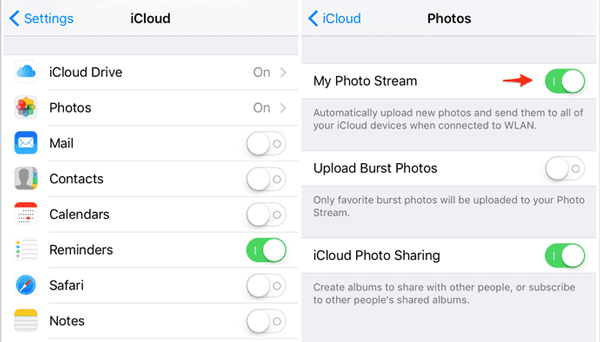
Because Photo Stream only kept photos for 30 days and never stored originals in iCloud, any photo that was not saved to the device or moved to iCloud Photos before mid-2023 is no longer available through Photo Stream. The recovery methods below focus on where the actual photo files might still exist. If you are not sure whether iCloud Photos was enabled, go to Settings > [your name] > iCloud > Photos and check whether Sync this iPhone is turned on. If it was off at the time the photo was taken, the photo never left the device it was shot on.
Part 2. Check the Recently Deleted Album
When you delete a photo on iPhone, it goes to the Recently Deleted album for 30 days before being permanently removed. This is the fastest check and often the answer. The album also shows how many days remain before each photo is permanently deleted, so you can prioritize recovering the ones about to expire.
Step 1Open the Photos app and tap the Albums tab.
Step 2Scroll down to Utilities and open Recently Deleted.
Step 3Tap Select, choose the photos, and tap Recover.
The same album exists on iCloud.com under Photos, so if the photo is not on your phone, check the web version too. Recently Deleted keeps photos for 30 days from the day you deleted them, and the countdown shows under each photo so you know how much time is left. If the album is empty, the photo was either deleted more than 30 days ago or never made it to this device in the first place.
Part 3. Recover Photos from iCloud.com and iCloud Photos
If iCloud Photos was enabled when the photo was taken, the full-resolution original is stored in iCloud and syncs to every device. You can recover it from iCloud.com even if it was deleted from the phone.
Step 1Go to icloud.com/photos and sign in with your Apple ID.
Step 2Open the Recently Deleted album on the left.
Step 3Select the photos and click Recover. They return to your iCloud Photos library and sync back to the phone.
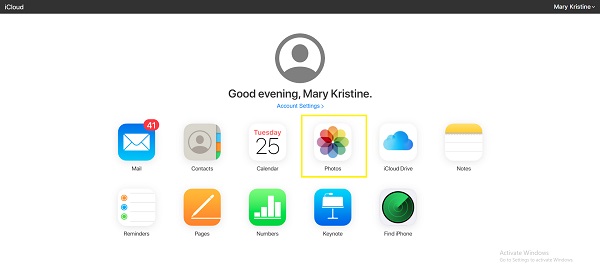
If iCloud Photos was off, the photo is not in iCloud. In that case, check the device that originally took the photo — Photo Stream pushed a copy there, and the original may still be in its Camera Roll. If you use iCloud Photos but have Optimize iPhone Storage turned on, full-resolution photos live in iCloud and only smaller versions stay on the phone. Recovering from iCloud.com brings back the original quality. You can also download the original to the phone by tapping and holding the photo and choosing Save to Files, which gives you a copy you can back up anywhere. iCloud Photos also includes Shared Albums, which let you share photo collections with family and friends — those photos are stored separately and may still be available even if you deleted them from your own library.
Part 4. Find the Photos on Your Other Apple Devices
Photo Stream pushed every photo to every device signed in to the same Apple ID. That means the iPhone, iPad, or Mac you owned at the time may still hold a copy even if the photo is gone from your current phone. Check the Photos app on each device, especially ones you no longer use regularly. If you find the photo, AirDrop it to your current iPhone or save it to Files.
You can also restore an older iPhone from an iCloud or iTunes/Finder backup that predates the deletion. For iTunes/Finder backups, connect the phone to your computer, open Finder (Mac) or Apple Devices (Windows), and choose Restore Backup. This is more involved — it wipes the phone — but it is worth it for irreplaceable photos. If you use a Mac, the Photos app may also contain a copy if you had photo syncing turned on at the time — check the Photos library on your Mac before resorting to a full restore.
Part 5. Recover Photos with FoneLab iPhone Data Recovery
FoneLab iPhone Data Recovery scans three sources — the iPhone itself, an iCloud backup, and an iTunes/Finder backup — and recovers only the photos you select. It is the most thorough option when the photo is not in Recently Deleted and you do not want to erase the phone.

With FoneLab for iOS, you will recover the lost/deleted iPhone data including photos, contacts, videos, files, WhatsApp, Kik, Snapchat, WeChat and more data from your iCloud or iTunes backup or device.
- Recover photos, videos, contacts, WhatsApp, and more data with ease.
- Preview data before recovery.
- iPhone, iPad and iPod touch are available.
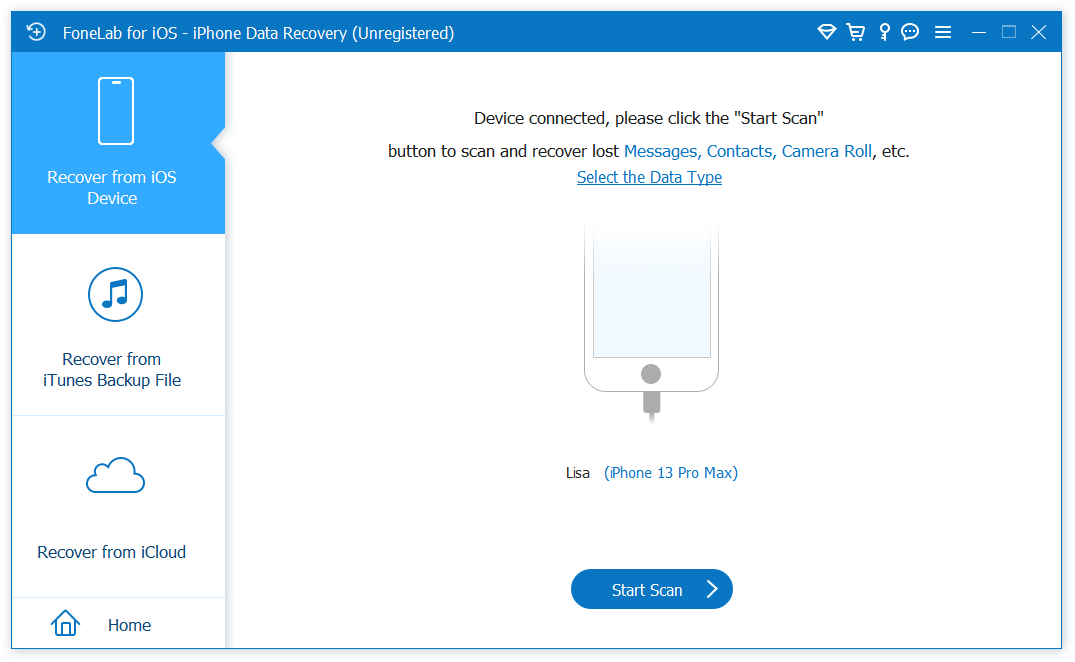
Step 1Open FoneLab iPhone Data Recovery and choose a mode. Recover from iOS Device scans the phone directly; Recover from iCloud or Recover from iTunes Backup File pulls photos from a backup.
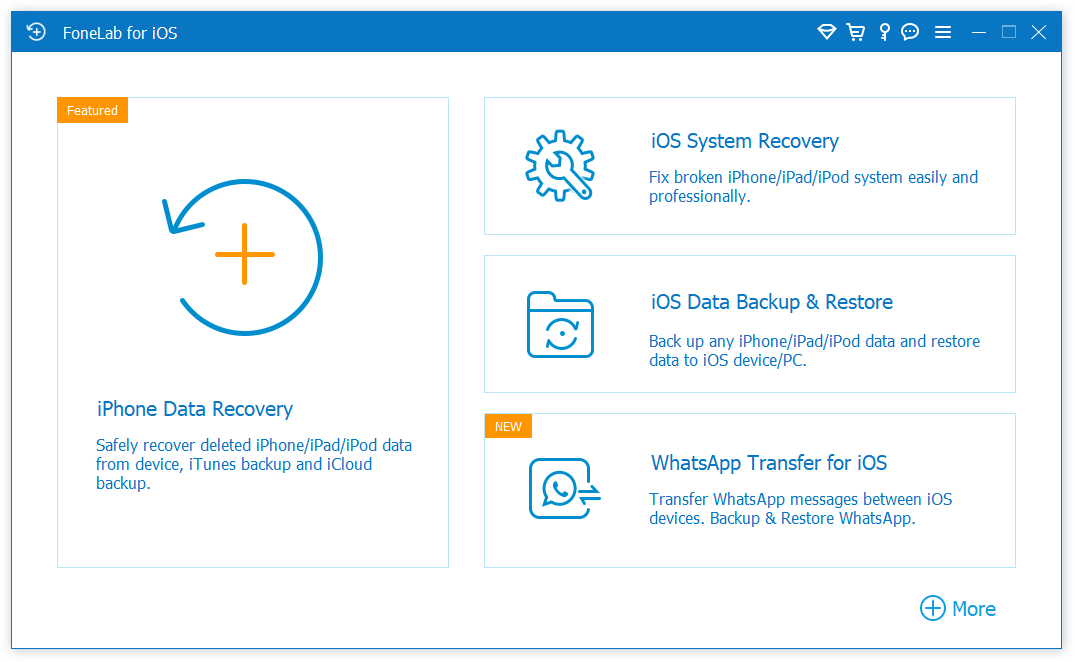
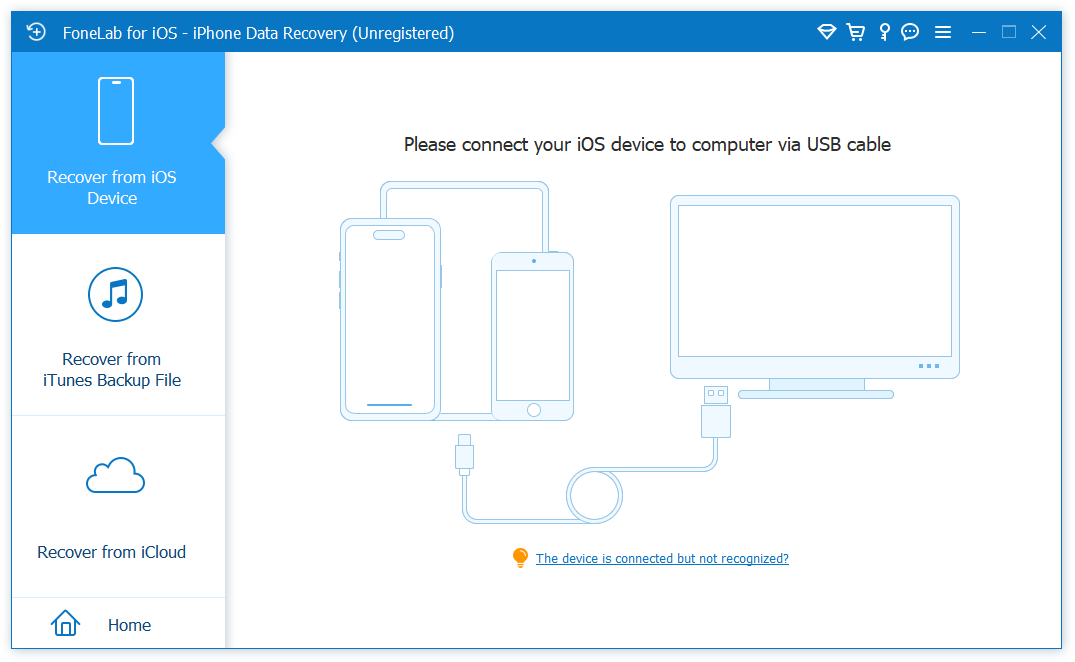
Step 2For device mode, connect the iPhone and click Start Scan. For iCloud mode, sign in and click Start.
Step 3Click Camera Roll on the left, preview the photos, check the ones to recover, and click Recover.
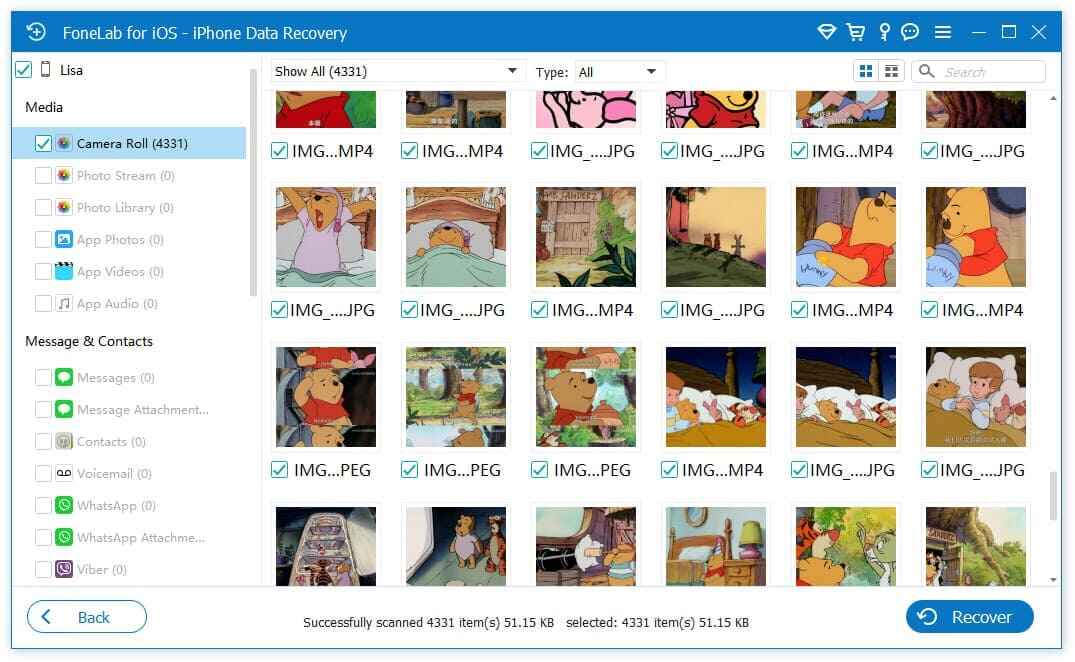
The preview window shows thumbnails of every recoverable photo, so you can confirm you have the right ones before saving. You can filter by date or search by filename to narrow down a large library. Recovered photos save to a folder on your computer in their original resolution, ready to import back to the iPhone or store as a backup.
The same scan finds deleted notes, contacts, messages, and videos, so if you lost more than photos, you can recover everything in one pass. The tool can also recover deleted photos without a backup by scanning the device storage directly. If the phone is damaged or will not turn on, you can still recover photos from a dead iPhone through a backup. Each recovery mode serves a different purpose: device mode scans the phone itself, iCloud mode pulls from cloud backups, and iTunes mode reads local computer backups.
With FoneLab for iOS, you will recover the lost/deleted iPhone data including photos, contacts, videos, files, WhatsApp, Kik, Snapchat, WeChat and more data from your iCloud or iTunes backup or device.
- Recover photos, videos, contacts, WhatsApp, and more data with ease.
- Preview data before recovery.
- iPhone, iPad and iPod touch are available.
Part 6. Compare Your Recovery Options
| Method | Where it looks | Computer needed | Wipes the phone |
|---|---|---|---|
| Recently Deleted | iPhone / iCloud.com | No | No |
| iCloud Photos | iCloud.com | Yes (browser) | No |
| Other devices | iPad / Mac | No | No |
| iCloud / iTunes backup restore | Backup | Yes | Yes |
| FoneLab iPhone Data Recovery | Device + backups | Yes | No |
Part 7. Back Up Your Photos the Right Way
With Photo Stream gone, iCloud Photos is the replacement most people should use. Turn it on under Settings > [your name] > iCloud > Photos, and every photo and video uploads in full resolution and stays in sync. For extra safety, occasionally copy your iPhone photos to a computer or an external drive. A local copy means even a cloud outage or accidental deletion cannot cost you the originals. If you have years of photos, consider both iCloud Photos and a periodic local backup — two copies are always safer than one. You can also use a third-party cloud service like Google Photos as an additional backup layer, so no single service failure can take all your photos with it.
Part 8. FAQs About Recovering Photos from Photostream
Is My Photo Stream still available?
No. Apple retired My Photo Stream on July 26, 2023. New photos no longer upload to it, and the album only shows older photos that were already there. iCloud Photos is the replacement.
Can I recover photos that were only in Photo Stream?
Photo Stream never stored originals in iCloud, so if the photo was not saved to a device or moved to iCloud Photos, it cannot be recovered from the cloud. Check the device that took the photo, Recently Deleted, and any backups made before the deletion.
What is the difference between Photo Stream and iCloud Photos?
Photo Stream stored the last 1,000 photos for 30 days at a reduced resolution and did not count against iCloud storage. iCloud Photos stores every photo and video in full resolution indefinitely, syncs edits across devices, and uses your iCloud storage allowance.