
 iPhone Data Recovery
 iOS System Recovery
 iOS Data Backup & Restore
 iOS Unlocker
 iPhone Password Manager
 Location Changer
 Android Data Recovery
 Broken Android Data Extraction
 Android Data Backup & Restore
 Android Unlocker
 FoneTrans for iOS
 iPhone Data Eraser
 iPhone Cleaner
 HEIC Converter
 HyperTrans
 WhatsApp Transfer for iOS
 Mac Sweep
 Data Retriever
 Mac Data Retriever
 Video Converter Ultimate
 Screen Recorder
 Phone Mirror
- Part 1. Why Your Samsung Keyboard Keeps Stopping
- Part 2. Reset Samsung Keyboard to Default Settings
- Part 3. Clear Keyboard Cache and Personalized Data
- Part 4. Restart and Update Your Galaxy Phone
- Part 5. Recover Data After a Factory Reset
- Part 6. Compare the Fixes at a Glance
- Part 7. Frequently Asked Questions
 Recover Android Data Now
Recover the lost/deleted iPhone data including photos, contacts, videos, files, call log and more data from your SD card or device.
How to Reset Samsung Keyboard When It Keeps Stopping or Glitching (4 Fixes)
 Updated by Lisa Ou / October 15, 2026 09:20
There is nothing more frustrating than trying to type a message and watching the keyboard freeze, disappear, or throw up a "Samsung keyboard has stopped" error. I have been there myself, mid-text to a client, when the on-screen keyboard simply vanished and refused to come back. The good news is that you almost never need to wipe the whole phone to fix it. In most cases, resetting Samsung keyboard settings clears the glitch in under a minute.
In this guide, I will walk you through four working fixes, starting with the safest one. I will also show you what to do if the last resort, a factory reset, becomes necessary, and how to bring your photos and messages back afterward. Let us get your keyboard typing normally again.

Guide List
- Part 1. Why Your Samsung Keyboard Keeps Stopping
- Part 2. Reset Samsung Keyboard to Default Settings
- Part 3. Clear Keyboard Cache and Personalized Data
- Part 4. Restart and Update Your Galaxy Phone
- Part 5. Recover Data After a Factory Reset
- Part 6. Compare the Fixes at a Glance
- Part 7. Frequently Asked Questions
Part 1. Why Your Samsung Keyboard Keeps Stopping
Before resetting anything, it helps to know what you are dealing with. Samsung Keyboard is a built-in system app, so when it misbehaves it is almost always a software glitch rather than a broken screen. I usually see the same handful of causes over and over.
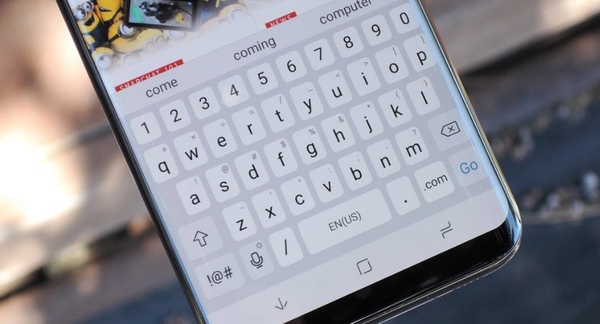
The symptoms are usually familiar: the keyboard lags half a second after every keystroke, predictive suggestions stop appearing, the layout shifts to a tiny size, or the whole panel blinks out and you get a popup saying "Unfortunately, Samsung Keyboard has stopped." Sometimes it happens only inside one app, like WhatsApp or Chrome, and other times it happens everywhere. Narrowing down where it breaks tells you a lot. If it only misbehaves in a single app, that app is likely the problem. If it happens everywhere, the keyboard app itself has gone stale and needs a reset.
The most common culprits are a corrupted keyboard cache, a bad update that changed the predictive-text engine, and personalized touch data that no longer matches how you hold your phone. If you recently installed a third-party keyboard or a launcher, that can also conflict with the default one. Resetting the keyboard itself does not delete your contacts, photos, or messages, so it is the safest first move.
One quick distinction: resetting keyboard settings is not the same as erasing learned words. If your only goal is to clear weird predictive suggestions, you will want the "Erase personalized predictions" option, which I cover in Part 3. If the app is outright crashing, jump to Part 2.
Part 2. Reset Samsung Keyboard to Default Settings
This is the fix I try first because it restores the keyboard to factory behavior without touching your personal files. On modern Galaxy phones running One UI, the path is consistent across recent models.
Step 1Open the Settings app and scroll to General management.
Step 2Tap Keyboard list and default, then select Samsung keyboard from the list.
Step 3Scroll all the way to the bottom and tap Reset to default settings.
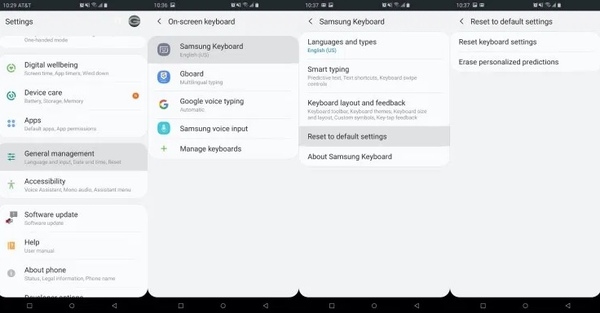
Step 4Choose Reset keyboard settings. Confirm by tapping Reset when the pop-up appears.
This resets layout, theme, and toolbar preferences to default, but it deliberately keeps your downloaded languages. Open a new message and type a few words to confirm the keyboard responds normally. If it still freezes, move on to clearing the cache in the next part. I find this method fixes the majority of "my keyboard is acting weird" complaints, especially after a One UI update changed the toolbar layout on you without asking.
Part 3. Clear Keyboard Cache and Personalized Data
When a simple settings reset does not stick, the corrupted cache is usually the reason. This is also where you wipe the predictive-text memory that can make the app feel laggy or suggest the wrong words.
Step 1Open Settings and go to Apps.
Step 2Tap the filter or three-dot menu and turn on Show system apps, then find and tap Samsung Keyboard.
Step 3Choose Storage, then tap Clear cache. This is safe and rebuilds automatically.
Step 4If the crashing continues, return to the Samsung keyboard settings and tap Reset to default settings > Erase personalized predictions.
Step 5Optionally choose Erase personalized touch recognition data if the keys feel off when you type.
Clearing the cache takes a few seconds and will not delete anything important. Erasing personalized predictions only removes the learned-word memory, so the keyboard will relearn your typing style as you use it. For notes that vanished during this troubleshooting, you can later check how to recover Samsung notes after they disappear.
With FoneLab for Android, you will recover the lost/deleted iPhone data including photos, contacts, videos, files, call log and more data from your SD card or device.
- Recover photos, videos, contacts, WhatsApp, and more data with ease.
- Preview data before recovery.
- Android phone and SD card data are available.
Part 4. Restart and Update Your Galaxy Phone
It sounds too simple, but a restart clears stuck memory and resolves a surprising number of keyboard freezes.
Step 1Press and hold the Power and Volume down buttons together, then tap Restart.
Once the phone is back up, test the keyboard again.
If the problem returns, check for a software update. Samsung regularly patches keyboard bugs in One UI releases.
Step 2Go to Settings > Software update > Download and install. Install anything that is pending, then restart once more.
You should also make sure your default keyboard is actually set to Samsung: open Settings > General management > Keyboard list and default and confirm Samsung keyboard is selected. If you relied on a cloud backup before, you can also restore your Android phone from a Google backup. One more thing worth trying: if you installed a third-party keyboard like Gboard or SwiftKey, switch back to Samsung Keyboard for a day. If the crashes disappear, the culprit is the third-party app, and you should update it or uninstall it rather than keep resetting the stock keyboard. You can always switch the default keyboard back in the same Keyboard list and default menu.
Part 5. Recover Data After a Factory Reset
If none of the above fixes it, the official Samsung troubleshooting guide recommends a factory data reset as the final step. That wipes everything and returns the phone to its original state, which almost always clears a stubborn keyboard crash. The catch is that it erases your photos, messages, and contacts, so you need a recovery plan.
With FoneLab for Android, you will recover the lost/deleted iPhone data including photos, contacts, videos, files, call log and more data from your SD card or device.
- Recover photos, videos, contacts, WhatsApp, and more data with ease.
- Preview data before recovery.
- Android phone and SD card data are available.
This is where I turn to FoneLab Android Data Recovery. To be honest about what it does: it cannot un-break the keyboard for you, and it cannot recover data from a phone that will not turn on at all. But if you already factory-reset the keyboard issue away and now realize your photos or messages are gone, this tool scans the device and pulls deleted files back before they are overwritten.
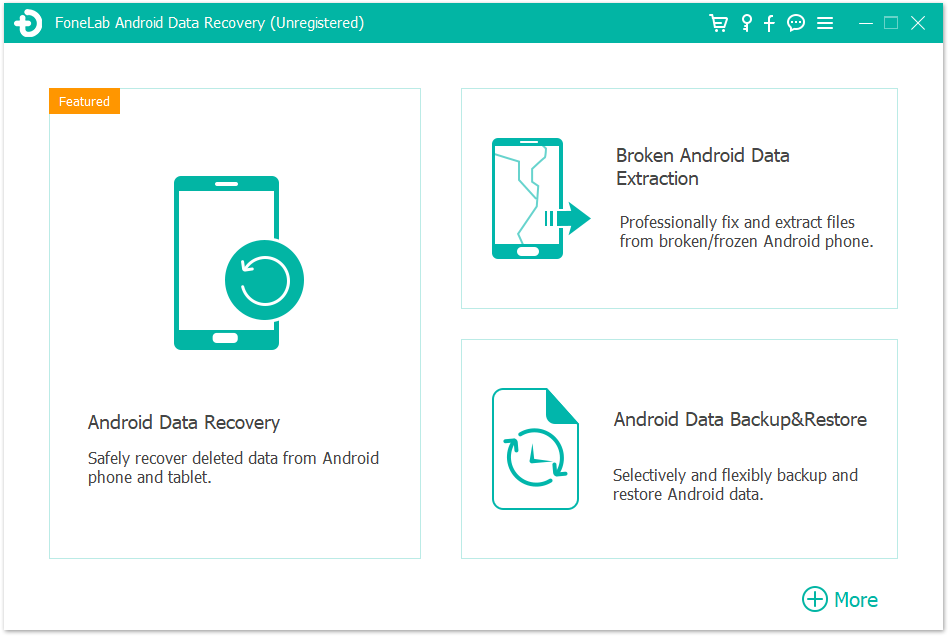
Step 1Launch FoneLab Android Data Recovery on your computer and choose Android Data Recovery on the interface, then connect your Galaxy phone with a USB cable.

Step 2Follow the on-screen instruction to open USB debugging and switch the USB mode to Transfer files (or MTP). Then tick the file types you want back (Contacts, Messages, Photos, Call logs) and click Next.

Step 3Install the FoneGo app and turn on Install via USB in Developer options. Tap Allow on the phone to authorize it; if the program does not detect the authorization, click I Have Authorized.

Step 4When Standard Scan has been finished, click Ok, preview the items in the categories on the left, tick what you want to keep, and click Recover. If a file is missing, click Deep Scan and Start Deep Scan.
Act quickly after a reset: the longer you use the phone, the more likely deleted data gets overwritten. Pair this with regular cloud backups and you will never have to choose between a working keyboard and your files. Before you ever reach for the factory reset, spend two minutes turning on Samsung Cloud or Google backup under Settings > Accounts and backup. That single habit saves you from the exact panic that lands people on this page.
With FoneLab for Android, you will recover the lost/deleted iPhone data including photos, contacts, videos, files, call log and more data from your SD card or device.
- Recover photos, videos, contacts, WhatsApp, and more data with ease.
- Preview data before recovery.
- Android phone and SD card data are available.
Part 6. Compare the Fixes at a Glance
Not sure which fix to start with? Here is how the four methods stack up.
| Reset keyboard settings | Clear cache / predictions | Restart & update | Factory reset + recovery | |
|---|---|---|---|---|
| Deletes personal files | No | No | No | Yes |
| Time needed | 1 minute | 2 minutes | 5 minutes | 30+ minutes |
| Best for | Layout glitches, slow typing | Crashing, wrong predictions | One-off freezes | Persistent crashes nothing else fixes |
| Needs computer | No | No | No | Yes, to recover data |
Part 7. Frequently Asked Questions
Will resetting my Samsung keyboard delete my learned words?
"Reset keyboard settings" resets layout and preferences but keeps your downloaded languages. To erase learned predictive words you must specifically choose "Erase personalized predictions," which wipes the word memory but not your contacts or files.
Why did my Samsung keyboard disappear completely?
A temporary system glitch usually causes it. Restart the phone first. If it stays gone, go to Settings > General management > Keyboard list and default and make sure Samsung keyboard is set as the default keyboard.
Does clearing the keyboard cache delete my messages?
No. The cache is only temporary performance data used by the keyboard app. Your text messages, photos, and contacts are stored separately and are completely unaffected by clearing it.
Can I recover data after factory resetting to fix the keyboard?
Yes, if you act quickly. Tools like FoneLab Android Data Recovery can scan the phone and pull back deleted photos, contacts, and messages before they are overwritten. Stop using the phone as soon as you can after the reset.
Resetting Samsung keyboard is usually a 60-second fix, and you only reach for a factory reset when the crash is truly stubborn. Start with Part 2, keep a recent backup, and the keyboard problem will rarely cost you your data. Most people land here expecting a factory reset, but a one-minute keyboard reset solves the issue every time. For more Android troubleshooting, see how to recover deleted call logs from Samsung.
With FoneLab for Android, you will recover the lost/deleted iPhone data including photos, contacts, videos, files, call log and more data from your SD card or device.
- Recover photos, videos, contacts, WhatsApp, and more data with ease.
- Preview data before recovery.
- Android phone and SD card data are available.
One habit worth building after the reset is to keep the keyboard and its language pack updated from the Galaxy Store rather than ignoring update prompts. Many "keyboard keeps stopping" errors return months later because the app falls behind the system update. If you switch keyboards, give the new one a day before judging it; the first suggestions are always awkward as it learns your typing style, and most apparent bugs disappear once the personal dictionary rebuilds.