
 iPhone Data Recovery
 iOS System Recovery
 iOS Data Backup & Restore
 iOS Unlocker
 iPhone Password Manager
 Location Changer
 Android Data Recovery
 Broken Android Data Extraction
 Android Data Backup & Restore
 Android Unlocker
 FoneTrans for iOS
 iPhone Data Eraser
 iPhone Cleaner
 HEIC Converter
 HyperTrans
 WhatsApp Transfer for iOS
 Mac Sweep
 Data Retriever
 Mac Data Retriever
 Video Converter Ultimate
 Screen Recorder
 Phone Mirror
How to Exit DFU Mode on iPhone (All Models)
 Posted by
 Your iPhone screen is black. It won't respond to taps, presses, or even the charger. If you're reading this, you're likely staring at a bricked device and worrying about your photos, messages, and data.

I've been there. A few months ago, I was messing with a beta iOS update on my iPhone 14 Pro. One minute it was fine, the next—black screen, no response, just a lifeless slab. My computer detected it, but my phone wouldn't boot. That's when I learned I was stuck in DFU mode.
DFU (Device Firmware Update) mode is Apple's deepest recovery state. It allows your iPhone to interface with a computer even when the operating system has completely crashed. But when you're stuck in it, it feels like a nightmare.
Here's the good news: DFU mode is almost always fixable. Based on my experience and countless hours troubleshooting, here are three proven ways to get your iPhone back to life.

Guide List
Method 1: The Quickest Manual Fix (Standard Forced Restart)
When my iPhone first went dark, I panicked and called a friend who works as an Apple technician. His first question was: "Did you try the force restart yet?"
I thought I had, but I was wrong. I was holding the wrong buttons.
A Force Restart on iPhone is different from a standard reboot. It interrupts the power cycle at the hardware level, forcing the device to reload the bootloader. This is the most common "first aid" for a black screen.
Here is exactly how to do it based on your model. Follow the timing precisely.
For iPhone 8, iPhone X, iPhone 11, iPhone 12, iPhone 13, iPhone 14, iPhone 15, and later (Face ID models):
Step 1Press and quickly release the Volume Up button.
Step 2Press and quickly release the Volume Down button.
Step 3Press and hold the Side (Power) button on the right side. Keep holding it even if you see the "slide to power off" screen. Don't let go until the screen goes black and the Apple logo appears. This usually takes about 10-15 seconds.
For iPhone 7 and iPhone 7 Plus:
Step 1Press and hold both the Volume Down button and the Sleep/Wake (Side) button simultaneously.
Step 2Keep holding them until the Apple logo appears.
For iPhone 6s, iPhone SE (1st generation), and older:
Step 1Press and hold both the Home button and the Top (or Side) button at the same time.
Step 2Keep holding until you see the Apple logo appear on the screen.
My Experience: This worked for me about 60% of the time. If the screen goes black and then shows the Apple logo, you're safe. Let it boot.
Method 2: Professional System Recovery (FoneLab iOS System Recovery)
What happens if you do the force restart and it still just shows a black screen or the "Connect to iTunes" icon?
In my experience, this means the system files are corrupted. The software is "bricked" to the point where a simple button press won't fix it. This happened to me after a jailbreak attempt that went sideways.
When the software is broken, you need software to fix it. This is where professional tools like FoneLab iOS System Recovery come in.

FoneLab enables you to fix iPhone/iPad/iPod from DFU mode, recovery mode, Apple logo, headphone mode, etc. to normal state without data loss.
- Fix disabled iOS system problems.
- Extract data from disabled iOS devices without data loss.
- It is safe and easy to use.
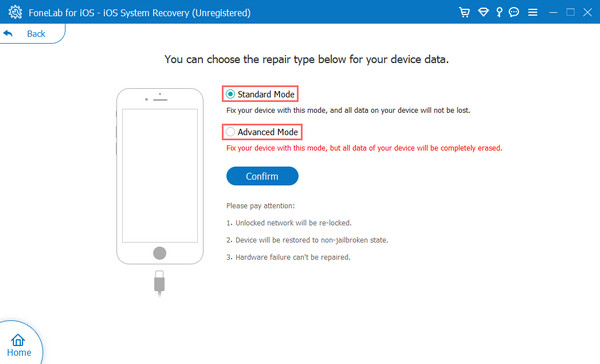
Why I recommend this approach: Unlike Apple's official method, FoneLab has a "Standard Mode" designed specifically to repair the iOS system without erasing your data. When I used it, I was terrified of losing 2,000 photos. The Standard Mode saved them all.
Step-by-Step Instructions for FoneLab iOS System Recovery:
Step 1Download and install FoneLab iOS System Recovery on your computer. Connect your iPhone to the computer using a USB cable.
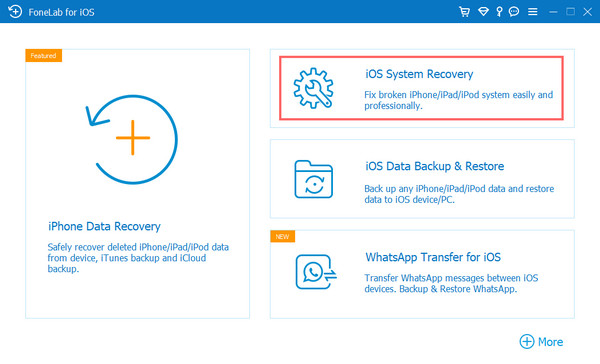
Step 2Launch the software and select "iOS System Recovery." On the next screen, choose "Standard Mode." The interface will clearly state that this mode fixes issues without deleting data.
Step 3The tool will automatically detect your device's DFU state and prompt you to download the latest firmware package. Click "Download." (Note: this file is about 5-7 GB, so make sure your Wi-Fi is stable).
Step 4Once the download completes, click "Fix Now." The software will overwrite the corrupted system files while preserving your personal data. My iPhone rebooted within 10 minutes, and I was back at the lock screen with all my apps intact.
FoneLab enables you to fix iPhone/iPad/iPod from DFU mode, recovery mode, Apple logo, headphone mode, etc. to normal state without data loss.
- Fix disabled iOS system problems.
- Extract data from disabled iOS devices without data loss.
- It is safe and easy to use.
Method 3: Alternative Manual Methods (The "Nuclear" Option and the "Patience" Option)
If you don't want to use third-party software, you have two other routes.
Option 1: iTunes/Finder/Apple Devices Restore (The "Nuclear" Option)
Apple's official solution is to use Finder (Mac) or iTunes (PC) to restore the iPhone. However, if you're using a Windows PC with the latest Apple software, you might see the Apple Devices app instead of iTunes. This is Apple's new unified app for managing iPhones on Windows.
Regardless of which app you use, the restoration process is nearly identical.
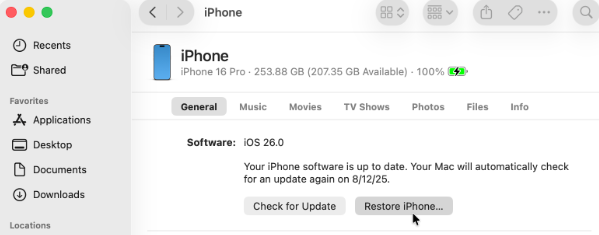
Using Finder (macOS Catalina and later):
Step 1Connect your iPhone to the Mac.
Step 2Open Finder and select your device from the sidebar under "Locations."
Step 3Click "Restore iPhone" and confirm your choice.
Using iTunes (Windows or macOS Mojave and earlier):
Step 1Connect your iPhone to the computer.
Step 2Open iTunes. Click the device icon near the top-left corner.
Step 3Click "Restore iPhone" and confirm.
Using the Apple Devices App (Windows):
Step 1Connect your iPhone to the Windows PC.
Step 2Open the Apple Devices app. Select your iPhone from the left sidebar.
Step 3Click on "General" in the settings panel.
Step 4Click "Restore iPhone" and follow the on-screen prompts.
Warning: This will download the latest iOS and factory reset your device. It will delete all your photos, messages, and settings. Only do this if you have an iCloud or computer backup, or if you don't care about the data on the device.
I consider this the "nuclear" option because it wipes everything. I've had to use it once when my iPhone 12 wouldn't boot past the Apple logo, and it worked—but I lost a week's worth of photos that I hadn't backed up. Learn from my mistake: always back up.
Option 2: Battery Drain (The Last Resort)
This is an old technician's trick, and I've used it successfully once on an old iPhone 6s.
Sometimes the system is so frozen that it ignores the power button. If you let the battery completely drain until the device turns itself off, it forces a full shutdown. Then, when you plug it back in to charge, the system reboots fresh.
Step 1Leave the iPhone unplugged for a few hours or overnight until the battery is empty.
Step 2Plug it into a charger and wait for the Apple logo to appear.
My take: This is safe but slow. It works best when the system is stuck due to a minor glitch rather than actual firmware corruption.
FoneLab enables you to fix iPhone/iPad/iPod from DFU mode, recovery mode, Apple logo, headphone mode, etc. to normal state without data loss.
- Fix disabled iOS system problems.
- Extract data from disabled iOS devices without data loss.
- It is safe and easy to use.
Troubleshooting & FAQ
Why did my iPhone get stuck in DFU mode?
There are three main culprits: Interrupted Updates (a failed iOS update), Jailbreaking (attempting to jailbreak or unjailbreak the device), and Hardware Drops (a physical impact that knocked the logic board out of sync).
Will exiting DFU mode delete my photos?
This depends on the method you choose:
- Forced Restart: NO data loss. It's just a reboot.
- Standard Mode (FoneLab): NO data loss (as long as you select Standard Mode).
- iTunes/Finder/Apple Devices Restore: YES data loss. It wipes the entire drive.
What if my iPhone doesn't turn on at all?
If none of these methods work, and the screen remains completely black even after trying a forced restart and charging, you are likely looking at a hardware issue. This could be a faulty battery or a damaged NAND chip. At this point, I recommend booking a visit to the Apple Store or an authorized service provider for a hardware diagnostic.
Final Thoughts: What Actually Worked for Me
After going through the panic of a bricked iPhone multiple times (yes, I'm a serial beta-tester), here's my honest hierarchy of fixes:
First, always try the Force Restart. It takes 10 seconds and has a 60-70% success rate in my experience. Second, if that fails, use FoneLab iOS System Recovery's Standard Mode. It saved my data when I thought everything was gone. Third, only use the Apple restore option if you have a recent backup.
One last piece of advice: Always, always back up your iPhone regularly. I use iCloud Backup and a weekly manual backup to my Mac.
FoneLab enables you to fix iPhone/iPad/iPod from DFU mode, recovery mode, Apple logo, headphone mode, etc. to normal state without data loss.
- Fix disabled iOS system problems.
- Extract data from disabled iOS devices without data loss.
- It is safe and easy to use.