
 iPhone Data Recovery
 iOS System Recovery
 iOS Data Backup & Restore
 iOS Unlocker
 iPhone Password Manager
 Location Changer
 Android Data Recovery
 Broken Android Data Extraction
 Android Data Backup & Restore
 Android Unlocker
 FoneTrans for iOS
 iPhone Data Eraser
 iPhone Cleaner
 HEIC Converter
 HyperTrans
 WhatsApp Transfer for iOS
 Mac Sweep
 Data Retriever
 Mac Data Retriever
 Video Converter Ultimate
 Screen Recorder
 Phone Mirror
- Part 1. Why Your SD Card Files Survive a Broken Phone
- Part 2. Pull the SD Card Out and Read It in a Card Reader
- Part 3. Recover SD Card Files with FoneLab Broken Android Data Extraction
- Part 4. What to Do When the SD Card Shows as Blank or Corrupted
- Part 5. Compare the Three Methods
- Part 6. Frequently Asked Questions
- Android Won't Turn On
- Dead Android Internal Memory
- Black Screen Samsung
- Water Damaged Android
- Keep Restarting Samsung
- Stuck on Samsung Logo
- Virus Infected Android
- Crashed Android
- Unlock Broken Screen Android
- WhatsApp Recovery for Broken Samsung
- Recover SnapChat Photos from Broken Android
- Frozen Android
How to Restore SD Card Files from a Broken Phone (3 Ways)
 Posted by Boey Wong / October 15, 2026 09:00
My phone slipped off a desk last year and landed screen-down on concrete. The display was spiderwebbed and the touch did nothing, but the photos and videos I cared about most were all sitting on the microSD card. That moment taught me a lesson: a broken phone does not have to mean lost files, especially when those files live on a removable card.
In this guide I show three ways to restore SD card files from a broken phone, starting with the free method that works in two minutes, moving on to software recovery when the card itself has a problem, and ending with how to handle a card that refuses to mount at all.

Guide List
- Part 1. Why Your SD Card Files Survive a Broken Phone
- Part 2. Pull the SD Card Out and Read It in a Card Reader
- Part 3. Recover SD Card Files with FoneLab Broken Android Data Extraction
- Part 4. What to Do When the SD Card Shows as Blank or Corrupted
- Part 5. Compare the Three Methods
- Part 6. Frequently Asked Questions
Part 1. Why Your SD Card Files Survive a Broken Phone
Unlike internal memory, a microSD card is a separate physical chip you can pop out. When the screen cracks, the logic board that drives the display is damaged, but the card is usually untouched. That means your photos, videos, music, and documents on the SD card are almost always recoverable without ever fixing the phone.
The catch is that you need some way to read the card. If the phone still boots, you could connect it by USB and approve the transfer, but a broken screen usually means you cannot tap the "Allow USB access" prompt. That dead touchscreen is exactly the blocker people hit, and it is why the card-reader method in Part 2 exists. If the phone itself is dead and you also need internal memory, this guide on recovering data from a dead Android phone covers that harder case.
It helps to know where your files actually went, because that decides which method applies. On many phones the camera is set to save straight to the SD card, while apps, contacts, and messages stay in internal memory. If you deliberately chose "save to SD card," the photos and videos are probably sitting on the removable chip right now. If everything was left on internal storage because the card was never set as default, the card may hold nothing important, and you will need the phone itself repaired or scanned. Spend a moment recalling your storage setting before you start, so you do not waste time on the wrong part of the device.
Part 2. Pull the SD Card Out and Read It in a Card Reader
This is the fastest, cheapest, and most reliable method, and it needs no software at all. Because the phone's screen is out of the picture, you bypass the whole operating system and read the card directly.
Step 1Power the broken phone off completely, then open the SIM tray and slide the microSD card out.
Step 2Insert the card into a USB card reader, then plug the reader into your Windows computer.
Step 3Open the card in File Explorer and copy the files you want to your computer.
If the computer sees the card and your files are right there, you are done. If Windows asks you to format the card, do not agree to it. That prompt means the card's file system has become unreadable, and formatting would erase what you are trying to save. Move on to Part 4. If the card mounts fine but specific deleted files are gone, Part 3 recovers them.
A couple of practical tips from doing this many times. Use a decent card reader rather than the cheapest one you own, because a flaky reader makes a healthy card appear empty. Try a different USB port, and on a desktop prefer a port directly on the back. If the card still does not show up, give it ten seconds and refresh the file window; larger cards take a moment to mount. Copy everything off to a folder on your computer rather than dragging files one by one, so you have a complete backup before you touch anything else.
Part 3. Recover SD Card Files with FoneLab Broken Android Data Extraction
When the files you want are deleted, hidden, or the phone itself is too damaged to trust, FoneLab Broken Android Phone Data Extraction scans the device and the card directly. I want to be clear about its limits: it is designed mainly for Samsung phones that still power on, and it repairs a frozen or black system before pulling data. If the phone will not turn on at all, the card reader in Part 2 is still your best bet for the SD card.

Fix your frozen, crashed, black-screen or screen-locked Android system to normal or Recover data from broken Android phone or SD card.
- Fix your Android disabled problems and recover data from phone.
- Extract Contacts, Messages, WhatsApp, Photos, etc. from broken android device or memory card.
- Android phone and SD card data are available.
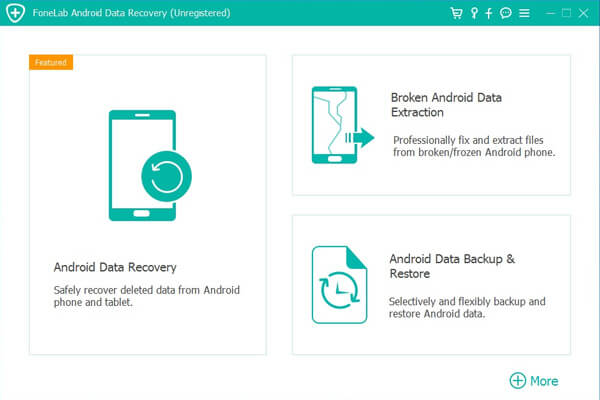
Step 1Launch FoneLab Broken Android Phone Data Extraction on your computer and choose Broken Android Phone Data Extraction, then connect the phone with a USB cable.
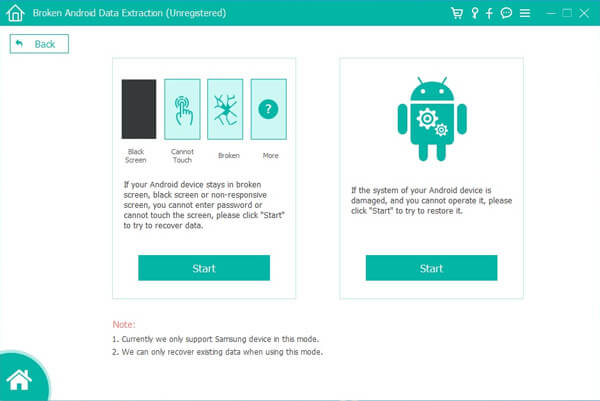
Step 2Choose the situation your device is in (black screen, cannot touch, or broken), then click Start.
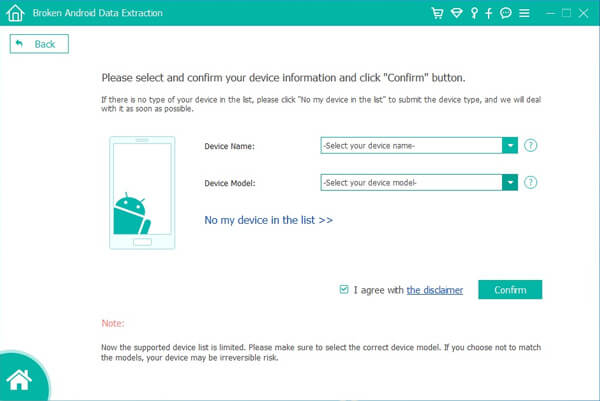
Step 3Select the correct Device name and Device model, agree to the disclaimer, and click Confirm. Picking the wrong model can cause problems, so double-check it.
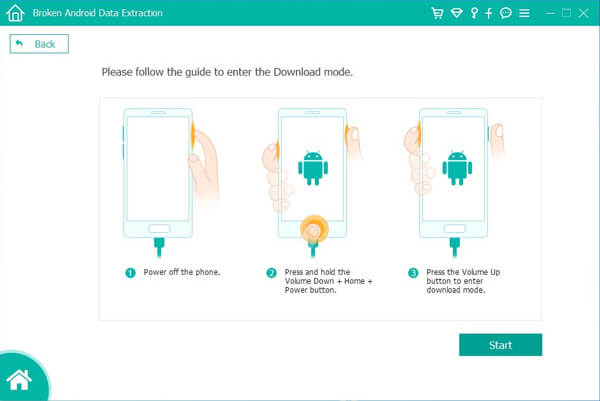
Step 4Follow the on-screen guide to enter Download mode: power off the phone, hold Volume Down + Home + Power, then press Volume Up, and click Start.
Step 5The program downloads the matching recovery package, repairs the Android system, and leads you to the recovery interface. Preview the files, tick the ones you need, and click Recover to save them to your computer.
Saving to the computer means you can reformat the card and start fresh with no risk to your recovered files. The same workflow also pulls contacts, messages, and WhatsApp history off a damaged Samsung, which is handy if the broken screen trapped more than just card files.
Fix your frozen, crashed, black-screen or screen-locked Android system to normal or Recover data from broken Android phone or SD card.
- Fix your Android disabled problems and recover data from phone.
- Extract Contacts, Messages, WhatsApp, Photos, etc. from broken android device or memory card.
- Android phone and SD card data are available.
Part 4. What to Do When the SD Card Shows as Blank or Corrupted
A card that mounts but shows as empty, or one that demands formatting, has not necessarily lost your data. The file system index is usually damaged while the actual files are still on the chip. The rule here is: never format the card, and never save new files onto it, because writing anything can overwrite the recoverable data.
Instead, run the scan in Part 3 directly on the card. Once the files are safely copied to your computer, you can format the card, put it back in a working phone, and it will behave like new. If the card makes a scratchy sound or is physically bent, stop immediately; physical damage needs a clean-room lab, and more poking will only make it worse. For a phone that will not turn on at all, this piece on recovering data from an Android phone that won't turn on is the right next read.
Going forward, treat the SD card as a convenience, not a backup. Cards fail, get lost, and get locked inside broken phones exactly like this one. The habit that would have saved you the most stress is automatic cloud sync of your camera folder, so your photos already exist somewhere safe the moment they are taken. With that turned on, a cracked screen becomes a repair trip rather than a data emergency.
Part 5. Compare the Three Methods
Pick the shortest method that fits your situation rather than trying all three.
| Card reader | FoneLab extraction | Format then rebuild | |
|---|---|---|---|
| Cost | Free | Paid tool | Free but risky |
| Needs the screen working | No | No | No |
| Recovers deleted files | No | Yes | No, loses them |
| Speed | Minutes | 15-30 minutes | Fast but destructive |
| Best for | Visible files on card | Deleted or hidden files | After files are safely copied |
The ordering matters: copy what you can see first, scan for what is missing second, and only format once everything is safely on a computer. That sequence protects your data at every step.
Part 6. Frequently Asked Questions
Can I get files off the SD card if the phone screen is completely broken?
Yes. Power the phone off, remove the microSD card, and read it in a USB card reader on your computer. The broken screen and touchscreen do not affect the card at all.
My computer asks to format the SD card. Should I do it?
No. Formatting erases the existing file structure. First scan the card with recovery software and copy your files to the computer, then format the card afterward.
Why won't my broken phone show up on the computer?
Because USB access usually requires you to unlock the phone and tap "Allow" on the screen. With a dead touchscreen you cannot do that, which is why the direct card reader is the better route for SD card files.
Can FoneLab recover data from a microSD card directly?
It scans both the phone's internal memory and the installed SD card for supported Samsung devices. For a standalone card in a reader, run the scan through the connected phone if possible, or copy visible files straight off the card.
Restoring SD card files from a broken phone is mostly about not panicking. Pop the card into a reader first, scan it with recovery software if anything is missing, and resist the urge to format until your files are safe. Once you are up and running again, turn on automatic photo backup so a future drop costs you a new phone, not your memories.
Fix your frozen, crashed, black-screen or screen-locked Android system to normal or Recover data from broken Android phone or SD card.
- Fix your Android disabled problems and recover data from phone.
- Extract Contacts, Messages, WhatsApp, Photos, etc. from broken android device or memory card.
- Android phone and SD card data are available.
Going forward, treat every SD card as disposable and back it up on a schedule rather than hoping nothing fails. Cards wear out, and a cracked phone that shares a reader with the card is exactly the situation where both fail together. If the card still mounts even briefly, copy everything immediately before running any repair tool, because repeated mounting attempts can further corrupt a dying filesystem.