
 iPhone Data Recovery
 iOS System Recovery
 iOS Data Backup & Restore
 iOS Unlocker
 iPhone Password Manager
 Location Changer
 Android Data Recovery
 Broken Android Data Extraction
 Android Data Backup & Restore
 Android Unlocker
 FoneTrans for iOS
 iPhone Data Eraser
 iPhone Cleaner
 HEIC Converter
 HyperTrans
 WhatsApp Transfer for iOS
 Mac Sweep
 Data Retriever
 Mac Data Retriever
 Video Converter Ultimate
 Screen Recorder
 Phone Mirror
- Android Won't Turn On
- Dead Android Internal Memory
- Black Screen Samsung
- Water Damaged Android
- Keep Restarting Samsung
- Stuck on Samsung Logo
- Virus Infected Android
- Crashed Android
- Unlock Broken Screen Android
- WhatsApp Recovery for Broken Samsung
- Recover SnapChat Photos from Broken Android
- Frozen Android
How to Recover SD Card Photos from a Samsung Phone with a Black Screen
 Posted by Boey Wong / September 21, 2026 09:00
Your Samsung phone has a black screen, but the photos you care about are stored on the SD card. The good news is that the SD card is separate from the phone's mainboard and screen, so even if the phone is completely dead, the photos on the SD card are probably still safe. In most cases, recovering them is as simple as removing the card and plugging it into a computer.
In this guide, I will show you how to recover photos from the SD card of a Samsung phone with a black screen, including what to do if some photos were deleted or the card is corrupted. We will cover the simple card reader method and a more advanced recovery using FoneLab Data Retriever for deleted or corrupted files.

Guide List
- Part 1. Is the SD Card Data Still Accessible?
- Part 2. Method 1: Remove SD Card and Use a Card Reader
- Part 3. Method 2: Recover Deleted Photos with FoneLab Data Retriever
- Part 4. Method 3: Recover from Internal Storage if SD Card Is Empty
- Part 5. Tips to Protect Photos on Samsung Phones
- Part 6. FAQs about SD Card Photo Recovery
Part 1. Is the SD Card Data Still Accessible?
The Galaxy series has a removable back cover and a microSD card slot under the battery. This design is actually a blessing when the screen breaks, because you can physically remove the SD card without needing to interact with the phone's software at all. Here is what you need to know:
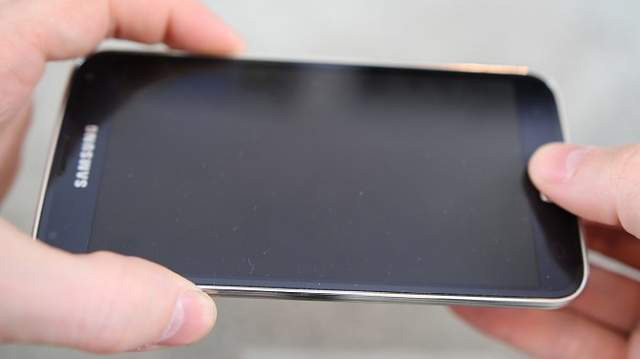
- The SD card is independent. The microSD card stores data on its own flash memory chip. A broken screen or dead mainboard does not affect the data on the card.
- You can remove it safely. As long as the phone is powered off, removing the SD card will not damage the data.
- Most photos are on the SD card. If you set the camera to store photos on the SD card (which is common on the S5 because of limited internal storage), your photos are there.
- Some photos may be internal. If you did not change the default storage location, some photos may be in internal storage, which is harder to access with a broken screen.
- Deleted photos can still be recovered. If you accidentally deleted photos from the SD card, they can often be recovered with data recovery software as long as they have not been overwritten.
The first thing to do is power off the phone (if it is still on) and remove the SD card. Then try Method 1 to access the files directly. If the photos are missing or the card is corrupted, move to Method 2 for data recovery.
Part 2. Method 1: Remove SD Card and Use a Card Reader
This is the simplest and most reliable method. All you need is a microSD card reader (or an SD adapter with a card reader) and a computer.
Step 1Power off the Samsung phone. If the screen is black and you cannot see the power menu, hold the Power button for 10-15 seconds to force a shutdown. Remove the back cover and take out the battery, then remove the microSD card from its slot.
Step 2Insert the microSD card into a card reader. If you have a microSD to SD adapter, you can use that with a standard SD card reader. Many laptops have built-in SD card slots.
Step 3Plug the card reader into your computer's USB port. The computer should recognize the card as a removable drive.
Step 4Open the drive and navigate to the DCIM folder. Your photos are usually in DCIM/Camera. Screenshots are in Pictures/Screenshots, and downloaded images are in Download or Pictures.
Step 5Copy the photos you want to keep to your computer's hard drive. Create a backup folder and paste them there. Do not cut or move the files until you have verified the copies are good.
This method works for accessing existing photos on the SD card. If the card is not recognized by the computer, or if some photos are missing or corrupted, you will need Method 2. If the photos are not on the SD card at all (they were stored in internal storage), skip to Method 3.
Part 3. Method 2: Recover Deleted Photos with FoneLab Data Retriever
If you removed the SD card and found that some photos are missing, or if the card shows errors or asks to be formatted, FoneLab Data Retriever can help. It is a professional data recovery tool that can recover deleted, formatted, or corrupted photos from SD cards, hard drives, USB drives, and more.

FoneLab Data Retriever - recover the lost/deleted data from computer, hard drive, flash drive, memory card, digital camera and more.
- Recover photos, videos, contacts, WhatsApp, and more data with ease.
- Preview data before recovery.
- Recover photos, videos, documents, and more data with ease.
- Recover data from device, iCloud, and iTunes.
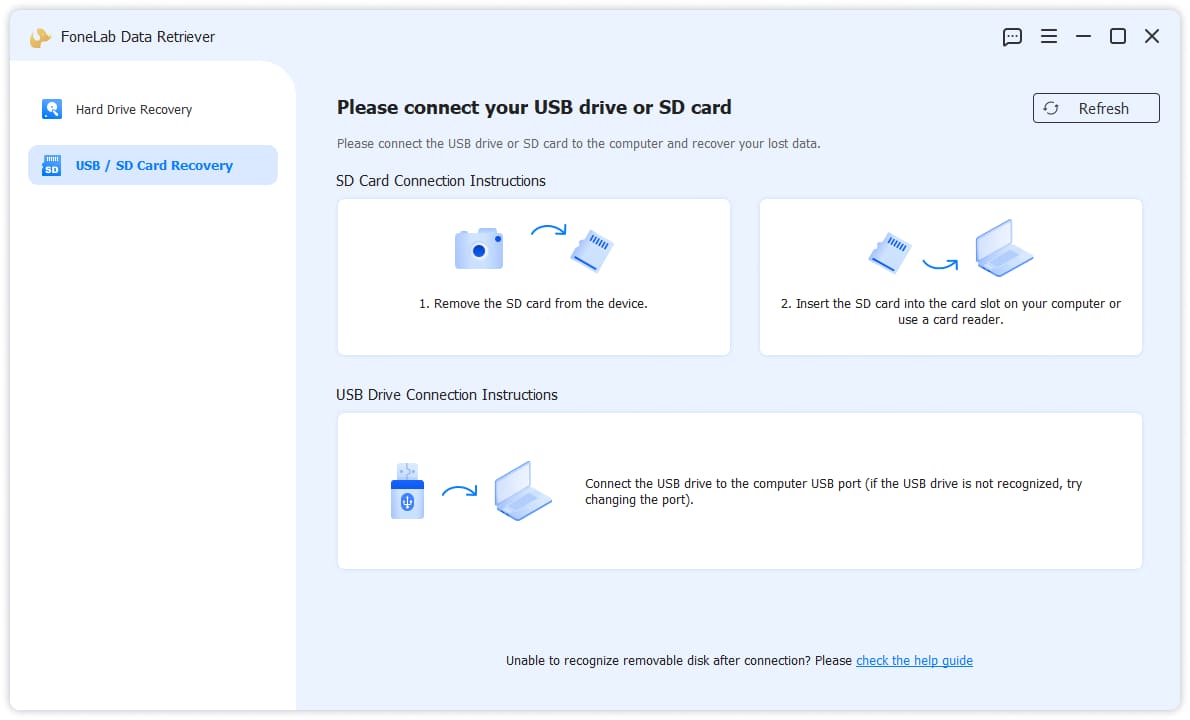
Step 1Download and install FoneLab Data Retriever on your Windows PC or Mac. Insert the SD card into the card reader and plug it into the computer.
Step 2Open FoneLab Data Retriever. On the main interface, select Image under the data type section, and select your SD card under the Removable Drives section.
Step 3Click Scan to start a quick scan of the SD card. The software will search for deleted and existing photos on the card.
Step 4When the quick scan is complete, browse through the recovered photos. If you do not find what you are looking for, click Deep Scan for a more thorough search. This takes longer but finds more files.
Step 5Preview the photos to make sure they are the ones you want. Select the photos you want to recover and click Recover. Choose a location on your computer to save them (do not save them back to the SD card).
FoneLab Data Retriever supports all common image formats, including JPG, PNG, GIF, BMP, TIFF, and RAW formats. It can recover photos that were deleted, lost due to formatting, or corrupted by a damaged file system. The deep scan feature can find files that other recovery tools miss, and the preview function lets you verify the photos before recovering them.
FoneLab Data Retriever - recover the lost/deleted data from computer, hard drive, flash drive, memory card, digital camera and more.
- Recover photos, videos, contacts, WhatsApp, and more data with ease.
- Preview data before recovery.
- Recover photos, videos, documents, and more data with ease.
- Recover data from device, iCloud, and iTunes.
Part 4. Method 3: Recover from Internal Storage if SD Card Is Empty
If you checked the SD card and your photos are not there, they may be stored in the phone's internal storage. This is trickier with a black screen, but there are still options.
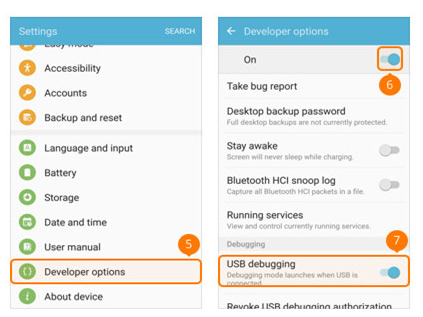
Option A: USB OTG mouse. If the phone still powers on and the USB port works, you can connect a USB mouse via OTG adapter to unlock the phone and enable file transfer. Then connect to a computer via USB and copy the photos from internal storage. This works best if USB debugging was already enabled.
Option B: Samsung Cloud or Google Photos. If you had automatic backup enabled, your photos may already be in the cloud. Go to photos.google.com or support.samsungcloud.com from a computer and sign in with your Samsung or Google account to check.
Option C: Broken Android data extraction. If the phone will not boot normally or USB debugging is off, use FoneLab Broken Android Data Extraction to access the internal storage directly. This tool can extract photos, contacts, messages, and more from broken Samsung phones without needing the screen to work.

Fix your frozen, crashed, black-screen or screen-locked Android system to normal or Recover data from broken Android phone or SD card.
- Fix your Android disabled problems and recover data from phone.
- Extract Contacts, Messages, WhatsApp, Photos, etc. from broken android device or memory card.
- Android phone and SD card data are available.
For the Galaxy series specifically, FoneLab Broken Android Data Extraction supports most variants. You put the phone into Download Mode, and the software scans the internal storage for recoverable data. This is the most reliable method for getting photos off internal storage when the screen is broken.
Not sure which recovery route to take? Here is a quick comparison.
| Card Reader + SD Card | FoneLab Data Retriever | Internal Storage Recovery | |
|---|---|---|---|
| When to use | SD card is intact and photos are still listed | Photos were deleted from the SD card | The SD card is empty or corrupt |
| Needs the SD card | Yes | Yes | No (uses internal storage) |
| Recovers deleted photos | Only if not overwritten | Yes | Yes |
| Difficulty | Very easy | Easy | Moderate |
| Cost | Free (card reader) | Paid software | Free |
Part 5. Tips to Protect Photos on Samsung Phones
To avoid losing photos in the future, follow these tips:
- Use a high-quality SD card. Cheap or counterfeit SD cards are more likely to fail or corrupt data. Stick with reputable brands like SanDisk, Samsung, or Lexar.
- Enable automatic cloud backup. Use Google Photos or Samsung Cloud to automatically back up your photos. Google Photos offers free unlimited storage for high-quality photos.
- Back up to a computer regularly. Every few weeks, copy your photos to a computer or external hard drive as an extra backup.
- Eject the SD card properly. Always unmount the SD card in Settings before removing it, and never remove it while the phone is writing data.
- Keep the phone in a case. A protective case and screen protector can prevent most drop damage that causes black screens.
- Do not format the SD card on a computer. If the card asks to be formatted, do not do it. Use data recovery software first, as formatting will make recovery much harder.
- Check your storage location. In the Camera app settings, make sure the storage location is set to SD card if you want photos stored there. This also saves internal storage space.
With these precautions, you can ensure that even if your phone gets damaged, your photos are safe and recoverable. The 3-2-1 backup rule is a good guideline: keep 3 copies of your data, on 2 different types of media, with 1 copy offsite (cloud).
Fix your frozen, crashed, black-screen or screen-locked Android system to normal or Recover data from broken Android phone or SD card.
- Fix your Android disabled problems and recover data from phone.
- Extract Contacts, Messages, WhatsApp, Photos, etc. from broken android device or memory card.
- Android phone and SD card data are available.
Part 6. FAQs about SD Card Photo Recovery
Can I recover photos from a corrupted SD card?
Yes, in many cases. FoneLab Data Retriever can scan corrupted or unreadable SD cards and recover photos. Do not format the card, as that makes recovery harder. Run the deep scan for the best results.
How do I know if my photos are on the SD card or internal storage?
On the Galaxy phone, open the Camera app, go to Settings, and check the Storage setting. If it says "Memory card," photos go to the SD card. If it says "Device," they go to internal storage. If the screen is broken, check both locations when you recover data.
Can I recover photos that were deleted from the SD card a long time ago?
It depends on whether the deleted data has been overwritten. If the card has not been used much since deletion, recovery is likely. If you have taken many new photos or saved files since then, the deleted data may have been overwritten. Stop using the card immediately and run recovery software.
What if the SD card is physically damaged?
If the card is cracked, bent, or water-damaged, software recovery may not work. In that case, you may need a professional data recovery service that can repair the card hardware and extract the data directly from the memory chip.
Recovering photos from the SD card of a broken Samsung phone is usually straightforward. Start by removing the card and reading it with a card reader, then use FoneLab Data Retriever if photos are missing or corrupted. For internal storage photos, use FoneLab Broken Android Data Extraction. For more recovery tips, check how to recover data from SD cards or recover deleted photos from Samsung Galaxy.