
 iPhone Data Recovery
 iOS System Recovery
 iOS Data Backup & Restore
 iOS Unlocker
 iPhone Password Manager
 Location Changer
 Android Data Recovery
 Broken Android Data Extraction
 Android Data Backup & Restore
 Android Unlocker
 FoneTrans for iOS
 iPhone Data Eraser
 iPhone Cleaner
 HEIC Converter
 HyperTrans
 WhatsApp Transfer for iOS
 Mac Sweep
 Data Retriever
 Mac Data Retriever
 Video Converter Ultimate
 Screen Recorder
 Phone Mirror
 Transfer Phone Data Now
Transfer Data From iPhone, Android, iOS, Computer to Anywhere without Any Loss.
- Transfer Data from One Micro SD Card to Another Android
- How to Transfer Pictures from One Phone to Another
- How to Transfer Photos from Old LG Phone to Computer
- How to Transfer Photos from an Old Samsung to Another Samsung
- Transfer Contacts from Samsung to iPhone
- Transfer Data from LG to Samsung
- Transfer Data from Old Tablet to New
- Transfer Files from Android to Android
- Transfer iCloud Photos to Android
- Transfer iPhone Notes to Android
- Transfer iTunes Music to Android
Transfer Data from One SD Card to Another on Android – Full Guide
 Posted by
 Running out of space? A couple of months ago, I hit that dreaded "Storage Full" notification on my Android phone. My 64GB SD card was completely maxed out – 12,847 photos, 400+ videos from my kid's soccer games, and a music library I'd been building since college. I grabbed a 256GB card, popped it in, and stared at my phone thinking: now what?
I tried three different methods before finding what actually works. Here's what I learned so you don't have to waste hours like I did.
The short answer: you can't just swap cards. Android uses different file systems, and simply moving the physical card doesn't transfer data. You need to copy files using one of these proven methods.

Guide List
Part 1. Quick Overview
Why you might need to transfer SD card data:
- Upgrading to a larger capacity card (64GB → 256GB or higher)
- Replacing a corrupted or failing SD card – if apps crash or photos won't load, it's time
- Switching to a faster card for better performance, especially if you record 4K video
- Setting up a new phone that uses a different card format or size
Transfer Data From iPhone, Android, iOS, Computer to Anywhere without Any Loss.
- Move Files between iPhone, iPad, iPod touch and Android.
- Import Files from iOS to iOS or from Android to Android.
- Move Files from iPhone/iPad/iPod/Android to Computer.
- Save Files from Computer to iPhone/iPad/iPod/Android.
Part 2. Method 1: Transfer Using a Computer (Most Reliable)
This is the method Sony officially recommends for Xperia devices, and after testing all three, it's the one I trust most for large transfers.
What You'll Need:
- A Windows PC
- USB cable for your Android phone
- Card reader (if your computer doesn't have an SD slot)
- Your old and new SD cards
Step 1Connect your Android phone to your computer. Plug your phone into your computer using the USB cable. On your phone, you'll see a notification – tap it and select "Transfer files" or MTP mode. On a Windows PC, your phone will appear under "This PC" as a portable device.
Step 2Copy files from your old SD card. Open your phone's folder on the computer. You'll see two storage locations: Internal Storage (phone memory) and SD Card (your old card). Open the SD Card folder. You'll find folders like DCIM (photos), Music, Downloads, and WhatsApp.
Here's what I do: I create a folder on my desktop called "SD_Backup_[Date]" and copy everything. This gives me a backup in case anything goes wrong. For my 64GB card with 12,847 photos, this took about 45 minutes over USB 2.0.
Step 3Transfer to the new SD card. Insert your new SD card into a card reader connected to your computer. If your computer has an SD slot, even better. Open the new card in File Explorer, then copy your backed-up files from the desktop folder to the new card.
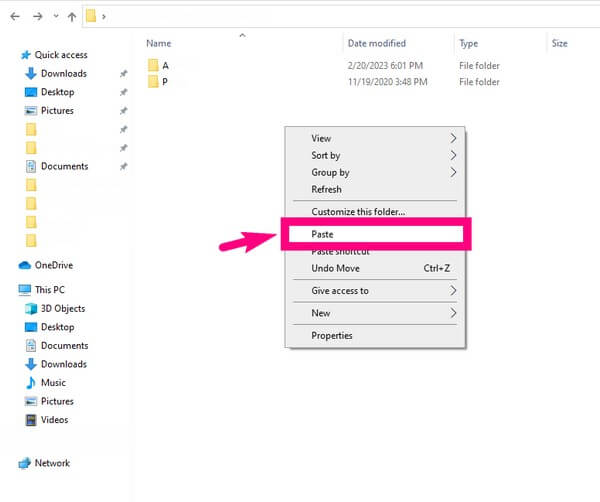
What I Learned the Hard Way: The first time I tried this, my transfer hung at 23% and froze. The culprit? A corrupted video file in my Downloads folder. I skipped that file, transferred the rest successfully, then moved the video separately. If your transfer stalls, check for corrupted files and skip them.
Transfer Data From iPhone, Android, iOS, Computer to Anywhere without Any Loss.
- Move Files between iPhone, iPad, iPod touch and Android.
- Import Files from iOS to iOS or from Android to Android.
- Move Files from iPhone/iPad/iPod/Android to Computer.
- Save Files from Computer to iPhone/iPad/iPod/Android.
Part 3. Method 2: Transfer via Internal Storage (No Computer Needed)
If you don't have a computer handy, Android's built-in file manager can handle the job. This method saved me when I was traveling and needed to swap cards without my laptop.
⚠️ Warning: This method requires enough free space on your phone's internal storage to hold everything from your SD card. I had 12GB free, but my SD card had 58GB of data – so this didn't work for me. Check your storage first!
Step 1Enable internal storage visibility. Go to Settings → Storage. Tap on your SD Card, then tap the menu icon (three dots) and make sure "Show internal storage" is enabled.
Step 2Move files from SD card to internal storage. Select the files or folders you want to move from your SD card. Tap the menu icon and choose "Move to..." or "Copy to...". Navigate to Internal Storage and select a destination folder.
Android 9-11 users: Some devices have a built-in transfer tool at Settings → Storage → Transfer data to SD card. Select the media types you want to move and tap Transfer.
Step 3Swap cards and move data back. Turn off your phone, remove the old SD card, and insert the new one. Power back on, then repeat the process in reverse: move your files from Internal Storage to the new SD card.
When This Method Works Best:
- You have less than 5GB of data to move
- Your internal storage has plenty of free space
- You're only moving media files (photos, music, videos)
- You don't have a computer available
I used this method for a friend who only had 2GB of photos – it took about 10 minutes and worked perfectly.
Part 4. Method 3: Use FoneLab HyperTrans
After the USB transfer hung twice on me, I started looking for a more reliable solution. A friend who does phone repairs recommended FoneLab HyperTrans – he uses it daily for moving data between customer devices. I gave it a shot, and here's what actually happened.
Transfer Data From iPhone, Android, iOS, Computer to Anywhere without Any Loss.
- Move Files between iPhone, iPad, iPod touch and Android.
- Import Files from iOS to iOS or from Android to Android.
- Move Files from iPhone/iPad/iPod/Android to Computer.
- Save Files from Computer to iPhone/iPad/iPod/Android.
Step 1Download and install FoneLab HyperTrans. Download FoneLab HyperTrans – the latest version (1.3.30) on your Windows PC. The installer file is about 57.8–94.1 MB. Double-click hypertrans.exe to start the installation, and follow the on-screen prompts. System requirements: Windows 7, Windows 8, Windows 10, or Windows 11.
Step 2Connect your phone. I plugged my Samsung Galaxy S21 into my Windows laptop via USB. The software detected it within about 3 seconds – much faster than Windows File Explorer, which sometimes takes 15-20 seconds to recognize my device.
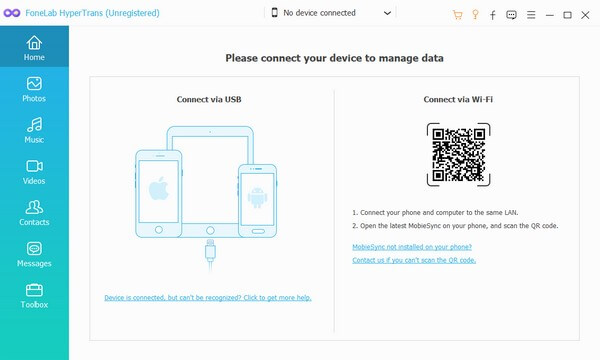
One thing that tripped me up: HyperTrans prompted me to enable USB debugging on my phone. I'd never done this before, but the software displayed a step-by-step guide with screenshots showing exactly where to tap. Took me about 60 seconds to set up. On Android 12, the path is: Settings → About Phone → tap "Build Number" 7 times → back to Settings → Developer Options → enable USB Debugging.
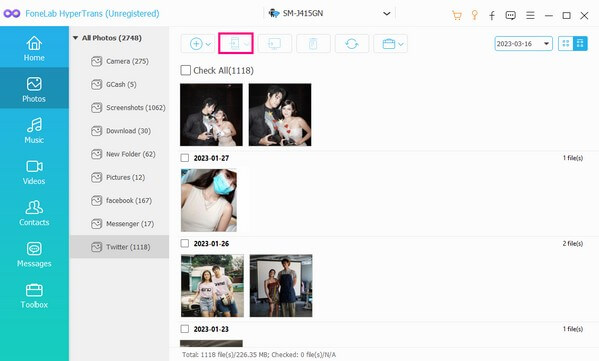
Step 3Select and transfer files. Once connected, the interface showed all my data categorized: Photos (12,847), Videos (406), Music (2,183 songs), Contacts (894), and Documents (317 PDFs).
What Surprised Me:
- Metadata preserved: Every photo kept its original date taken, GPS location, and camera settings. When I used the manual copy method, some photos showed the transfer date instead of the original capture date.
- HEIC images handled automatically: I have an iPhone for work and an Android for personal use. FoneLab HyperTrans converted my HEIC photos to JPG during transfer so they'd display properly on Android – saved me a separate conversion step.
- Selective transfer: I didn't move everything. I left out my WhatsApp backup folder (3.2GB) because I wanted a fresh start on the new card. HyperTrans let me uncheck specific folders, not just entire categories.
The One Catch: The free version has a file limit – you can only transfer a certain number of files without paying. I hit that limit during my first attempt. The full version removed the restriction, and I was able to complete the transfer. If you're moving less than about 50 files, the free version works fine. For bulk transfers like mine, you'll need the full version.
Why I'd Use It Again: Not because it's fancy – because it actually finished the job. The manual USB method failed twice. HyperTrans worked on the first try. For me, that's worth more than any feature list.
Transfer Data From iPhone, Android, iOS, Computer to Anywhere without Any Loss.
- Move Files between iPhone, iPad, iPod touch and Android.
- Import Files from iOS to iOS or from Android to Android.
- Move Files from iPhone/iPad/iPod/Android to Computer.
- Save Files from Computer to iPhone/iPad/iPod/Android.
Part 5. Critical Warning: App Data and Adoptable Storage
If you've been using your SD card as "internal storage" (Adoptable Storage), stop here.
Android's Adoptable Storage feature (Android 6.0+) encrypts the SD card and ties it to your specific device. You cannot simply copy files from an adopted SD card – it won't be readable on another device or computer.
To check: Go to Settings → Storage. If your SD card is formatted as internal, you'll see it combined with internal storage rather than as a separate drive.
What to do: Move apps and data back to internal storage first, then follow the methods above. Or, keep using the same card in the same phone – you can't transfer it to another device.
Part 6. Post-Transfer Checklist
After moving your data, here's what I always check:
- Restart your phone with the new SD card inserted
- Open Gallery – verify all photos are visible and thumbnails load
- Check Music app – play a few songs to ensure files aren't corrupted
- Verify capacity – go to Settings → Storage and confirm the new card shows the correct total space
- Keep your old card as a backup for at least a week before reformatting or discarding it
Part 7. Quick FAQ
Will I lose data if I format the new SD card?
Yes. Formatting erases everything on the card. Back up your data first.
Can I move apps from one SD card to another?
Only if the apps are stored on the SD card (not internal storage). You'll need to move apps to internal storage first, then to the new card via Settings → Apps → Storage → Change.
Which transfer method is fastest?
Using a computer with a high-speed card reader is fastest for most users. HyperTrans also provides fast, stable transfers – my 58GB transfer took 12 minutes.
Why doesn't my Android recognize the new SD card?
The card may need formatting. Try exFAT for cards over 32GB, FAT32 for smaller cards. Some older devices don't support exFAT.
Does FoneLab HyperTrans work without internet?
Yes – transfers happen over USB cable, so no internet connection is required. This also means your data stays private.
What if my transfer keeps failing or stalling?
Check for corrupted files – they can halt the entire process. Skip them and transfer separately. Also try a different USB cable or port.
Transfer Data From iPhone, Android, iOS, Computer to Anywhere without Any Loss.
- Move Files between iPhone, iPad, iPod touch and Android.
- Import Files from iOS to iOS or from Android to Android.
- Move Files from iPhone/iPad/iPod/Android to Computer.
- Save Files from Computer to iPhone/iPad/iPod/Android.