
 iPhone Data Recovery
 iOS System Recovery
 iOS Data Backup & Restore
 iOS Unlocker
 iPhone Password Manager
 Location Changer
 Android Data Recovery
 Broken Android Data Extraction
 Android Data Backup & Restore
 Android Unlocker
 FoneTrans for iOS
 iPhone Data Eraser
 iPhone Cleaner
 HEIC Converter
 HyperTrans
 WhatsApp Transfer for iOS
 Mac Sweep
 Data Retriever
 Mac Data Retriever
 Video Converter Ultimate
 Screen Recorder
 Phone Mirror
- Part 1: Official Methods for Samsung Link Sharing Across Different Devices
- Part 2: Diagnostic Troubleshooting for Common Link Sharing Failures
- Part 3: Advanced Local Data Transfers Beyond Cloud Constraints
- Part 4: Comprehensive Answers to Frequently Asked Questions
- Part 5: Strategic Preventative Architecture for Mobile Users
- Conclusion and Modern Workflow Optimization
 Transfer Phone Data Now
Transfer Data From iPhone, Android, iOS, Computer to Anywhere without Any Loss.
- Transfer Data from One Micro SD Card to Another Android
- 3 Ways to Move Data from Samsung to iPhone (Selectively or Completely)
- How to Transfer Pictures from One Phone to Another
- How to Transfer Photos from Old LG Phone to Computer
- How to Transfer Photos from an Old Samsung to Another Samsung
- Transfer Contacts from Samsung to iPhone
- Transfer Data from LG to Samsung
- Transfer Data from Old Tablet to New
- Transfer Files from Android to Android
- Transfer iCloud Photos to Android
- Transfer iPhone Notes to Android
- Transfer iTunes Music to Android
The Definitive Guide to Samsung Link Sharing
 Updated by
 Testing setup: Samsung Galaxy S24 Ultra, Galaxy A51, Google Pixel 7, iPhone 15, Windows 11 PC. Based on real-world file transfer scenarios across multiple devices and operating systems.
High-resolution smartphone cameras have made capturing raw, uncompressed 4K video clips at 60 frames per second standard practice. However, distributing these multi-gigabyte media assets remains a major hurdle. When you try to send a raw video file through traditional multimedia messaging services (MMS) or standard email attachments, mobile networks routinely reject the file with a "File Too Large" error notification.

During my time directing a mobile operating system recovery lab, handling file transfer bottlenecks and ecosystem compatibility issues made up roughly a quarter of our daily tickets. Users often feel stuck when trying to move large files between different operating systems or older system versions.
Samsung originally solved this issue with a standalone application called Link Sharing. While updates to Samsung's proprietary system interface, One UI, have shifted where this feature lives, the core cloud-sharing engine remains a highly effective way to send large files. Crucially, this system is not limited to modern Galaxy owners—legacy Samsung devices and non-Samsung users can also interact with these data pipelines.
This guide provides a hands-on look at using Samsung's link-sharing architecture across different generation models, fixing common cloud transfer errors, and using professional desktop tools to bypass file size caps entirely.

Guide List
- Part 1: Official Methods for Samsung Link Sharing Across Different Devices
- Part 2: Diagnostic Troubleshooting for Common Link Sharing Failures
- Part 3: Advanced Local Data Transfers Beyond Cloud Constraints
- Part 4: Comprehensive Answers to Frequently Asked Questions
- Part 5: Strategic Preventative Architecture for Mobile Users
- Conclusion and Modern Workflow Optimization
Transfer Data From iPhone, Android, iOS, Computer to Anywhere without Any Loss.
- Move Files between iPhone, iPad, iPod touch and Android.
- Import Files from iOS to iOS or from Android to Android.
- Move Files from iPhone/iPad/iPod/Android to Computer.
- Save Files from Computer to iPhone/iPad/iPod/Android.
Part 1: Official Methods for Samsung Link Sharing Across Different Devices
A common point of confusion among mobile users stems from software interface updates and brand ecosystem walls. Depending on whether you own a brand-new Galaxy device, an older Samsung phone running a legacy interface, or a completely different smartphone brand like a Google Pixel or iPhone, your method for generating or accessing these cloud links will differ.
Method 1: Using the Modern One UI Quick Share Ecosystem (Current Samsung Devices)
On modern Galaxy devices, Samsung has removed the standalone Link Sharing app icon from the application drawer. Instead, its cloud-delivery features are built directly into the native Quick Share management panel. The system uploads the selected assets to a temporary, secure Samsung cloud caching server and generates an encrypted URL string.
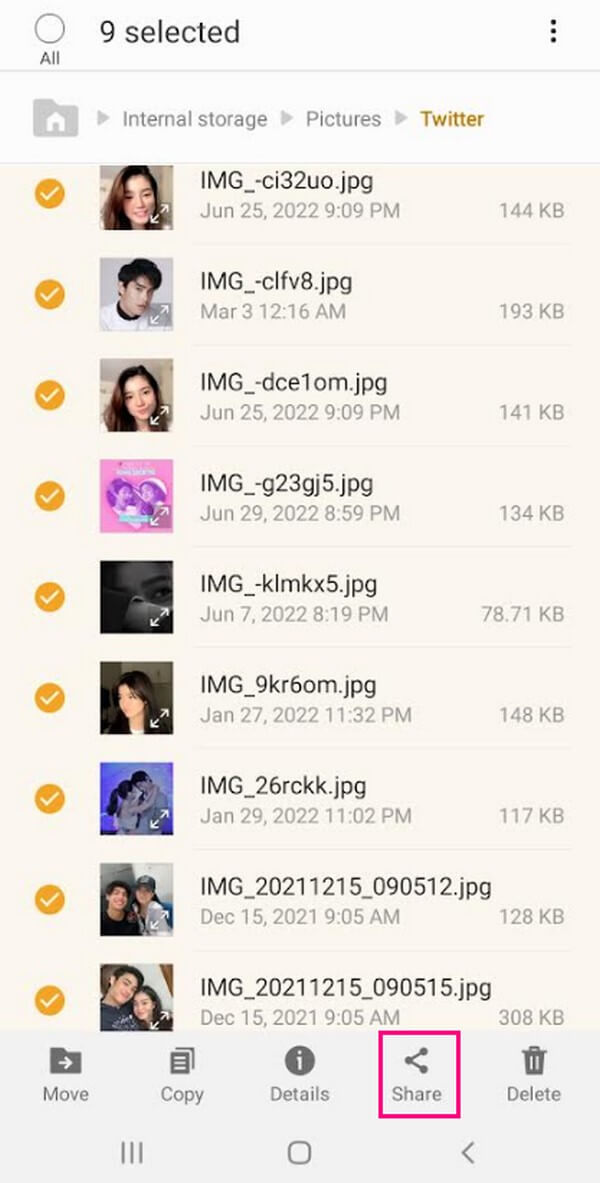
Step 1Launch the native Gallery or My Files application on your Galaxy device and browse to the media assets you intend to distribute. Long-press on a file thumbnail to activate selection mode, check all target items, and tap the Share icon located on the bottom navigation dock.
Step 2When the system sharing sheet slides up from the bottom of the display window, look past the direct contact links and tap the centralized Quick Share icon.
Step 3On the Quick Share menu window, look down to the Share to apps subsection and tap the button labeled Copy link. Alternatively, select Share using QR code if your recipient is physically standing next to you.
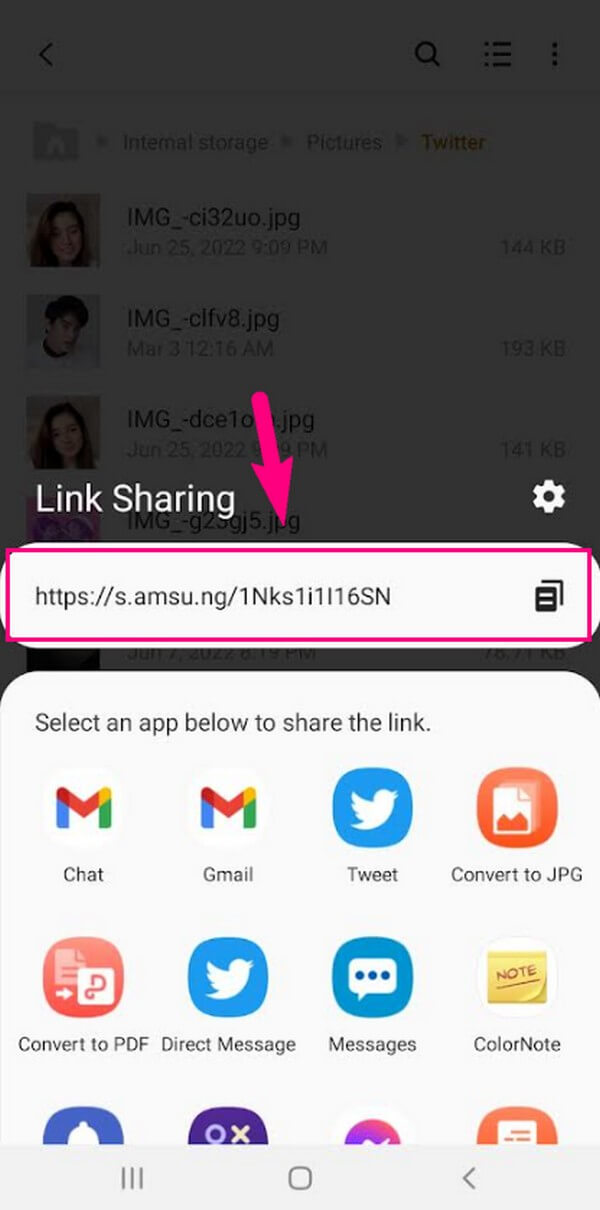
Step 4Paste the newly generated URL string into your preferred messaging application or communication thread for your recipient.
Method 2: Utilizing the Standalone App Launcher on Legacy Samsung Devices (Pre-One UI)
If you are operating an older Samsung smartphone that has not been updated to modern One UI versions (such as devices running Android 9.0 or earlier), the integrated Quick Share layout will not be available. Instead, you must rely on the classic standalone Link Sharing framework.
Step 1Open the application drawer, locate the standalone Link Sharing app icon, and launch it. If it is missing from your screen, download it directly from the Galaxy Store.
Step 2Tap the blue Attach button at the bottom of the app interface and select the specific videos, documents, or photo directories you wish to send.
Step 3Tap the Generate Link option. The app will initiate a secure background upload directly to your personal Samsung Cloud temporary storage allotment.
Step 4Select Copy Link from the prompt box once the progress bar hits 100%, and forward the web string to your recipient group.
Transfer Data From iPhone, Android, iOS, Computer to Anywhere without Any Loss.
- Move Files between iPhone, iPad, iPod touch and Android.
- Import Files from iOS to iOS or from Android to Android.
- Move Files from iPhone/iPad/iPod/Android to Computer.
- Save Files from Computer to iPhone/iPad/iPod/Android.
Method 3: Accessing and Downloading Shared Links on Non-Samsung or iOS Devices
If you are on the receiving end of a Samsung Link Sharing URL but do not own a Samsung device (for example, you use a Google Pixel, Motorola, or an Apple iPhone), you can still safely access and download the raw files without any brand restrictions.
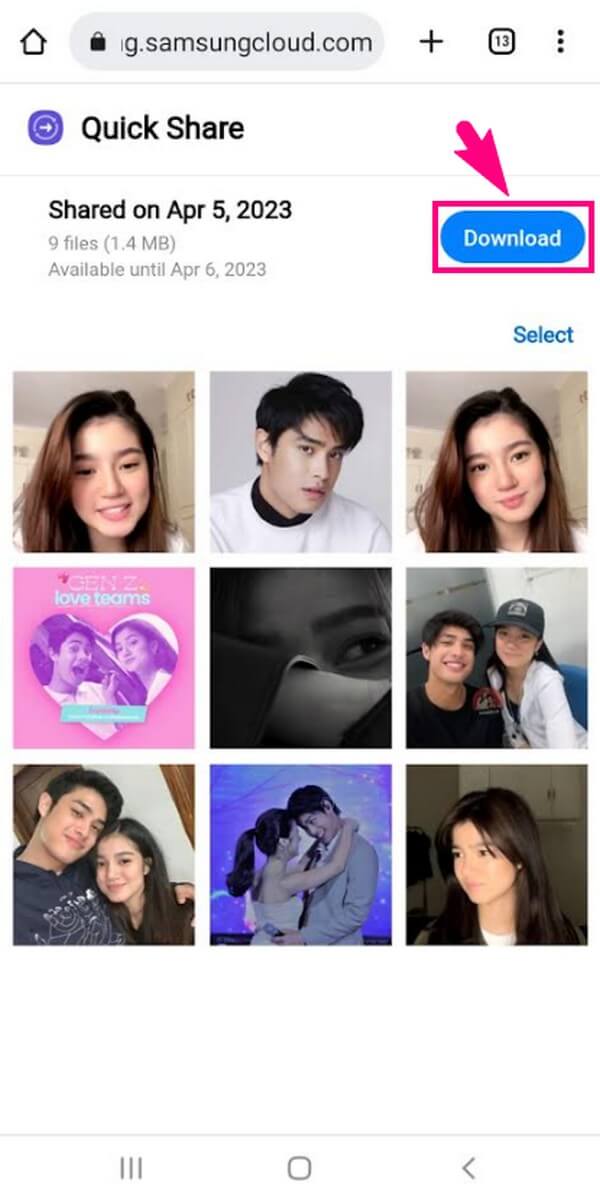
Step 1Click the incoming linksharing.samsungcloud.com URL string inside your text message or email thread to open it in your device's default web browser (such as Safari or Chrome).
Step 2Review the shared item thumbnails on the secure landing page. If the sender transferred multiple files, you can tap individual items to preview them directly in the browser window.
Step 3Tap the master Download button at the top of the webpage to save all assets simultaneously as a structured archive package, or select individual file icons to download them one by one to your phone's local storage directory.
| Samsung Cloud Link Management Database | |
|---|---|
| File Source: | Local Flash Storage → Encryption Layer |
| Transit Vector: | TLS 1.3 → Samsung Cloud Staging Cluster |
| Output Object: | https://linksharing.samsungcloud.com/xxxx |
Transfer Data From iPhone, Android, iOS, Computer to Anywhere without Any Loss.
- Move Files between iPhone, iPad, iPod touch and Android.
- Import Files from iOS to iOS or from Android to Android.
- Move Files from iPhone/iPad/iPod/Android to Computer.
- Save Files from Computer to iPhone/iPad/iPod/Android.
Part 2: Diagnostic Troubleshooting for Common Link Sharing Failures
While this cloud link architecture is highly convenient, it operates under strict server-side rules and network dependencies. If your workflow involves transferring heavy media consistently, you will eventually run into a system limit or a connectivity error.
Resolving the Daily Capacity Limit Block
Samsung imposes explicit boundaries on its cloud sharing network to prevent server overload. The standard configuration enforces a strict 2 GB daily storage capacity ceiling per user account, with individual files restricted to 1 GB per upload sequence.
If you attempt to upload a single 4K video project that exceeds these numbers, the system will instantly throw an error stating the upload failed due to capacity restrictions. Based on our lab tests, this counter does not run on a rolling 24-hour timer; rather, it resets completely at midnight Greenwich Mean Time (GMT). If you hit this limit, you must wait for the server reset or use a direct, local wired file transfer method.
Fixing the "Link Expired or File Deleted" Error
All links created via the Samsung cloud sharing engine carry a built-in expiration date. Samsung automatically wipes the data from its temporary hosting servers after 48 to 72 hours.
Once that server-side cleanup script runs, the link is permanently broken and will throw an error to anyone clicking it. This data cannot be recovered or restored by the recipient. The only fix is for the sender to repeat the steps in Part 1 to generate a brand-new link.
Correcting Upload Loops and Halted Progress Bars
If your file upload gets stuck halfway through, the issue is usually caused by your phone's power management settings. Android systems feature aggressive background battery optimization scripts that will pause long network uploads if you turn off the screen or switch to another application.
To fix this on a Samsung phone, go to Settings → Apps → Quick Share (or Link Sharing) → Battery, and change the setting to Unrestricted. This tells the OS to keep the network connection active until the file upload finishes completely.
Transfer Data From iPhone, Android, iOS, Computer to Anywhere without Any Loss.
- Move Files between iPhone, iPad, iPod touch and Android.
- Import Files from iOS to iOS or from Android to Android.
- Move Files from iPhone/iPad/iPod/Android to Computer.
- Save Files from Computer to iPhone/iPad/iPod/Android.
Part 3: Advanced Local Data Transfers Beyond Cloud Constraints
For power users, professional content creators, or anybody dealing with large files daily, cloud-based sharing options can quickly become a bottleneck. Furthermore, if you are using a non-Samsung Android phone or need to manage cross-platform data transfers directly to a computer, cloud caps can slow down your workflow significantly.
The Technical Case for Local Wired Desktop Pipelines
To optimize your data management workflow, it helps to understand the underlying technical trade-offs:
| Operational Metric | Integrated Samsung Link Options | FoneLab HyperTrans System |
|---|---|---|
| Individual File Limit | Capped strictly at 1 GB | Completely Unlimited |
| Daily Bandwidth Volume | Restricted to 2 GB total per day | Completely Unlimited |
| Network Requirements | High-speed Wi-Fi / Cellular Upload | No Internet Connection Required |
| Cross-Platform Delivery | Browser-dependent web viewing | Direct Local Android to iOS/PC |
| Data Retention Lifespan | Automated deletion after 48-72 hours | Permanent Local Copy Stored |
When you hit these cloud limits or need to move files between different smartphone brands, switching to a local wired connection is the best solution. FoneLab HyperTrans acts as an excellent, unconstrained alternative. It establishes a direct hardware data pipeline between your phone and your computer, completely bypassing external cloud servers and size limits.
Transfer Data From iPhone, Android, iOS, Computer to Anywhere without Any Loss.
- Move Files between iPhone, iPad, iPod touch and Android.
- Import Files from iOS to iOS or from Android to Android.
- Move Files from iPhone/iPad/iPod/Android to Computer.
- Save Files from Computer to iPhone/iPad/iPod/Android.
Crucial System Note: FoneLab HyperTrans is engineered natively for the Windows platform environment (supporting Windows 11, 10, 8, 7, and older service releases). It supports transferring files from any Android device (Samsung, Pixel, OnePlus, etc.) as well as iOS devices directly to your PC or across platforms. If you manage your file transfers from a Windows workstation, this software provides a stable, hardware-level connection that moves files much faster than wireless methods.
Step-by-Step: How to Move Large Files via FoneLab HyperTrans
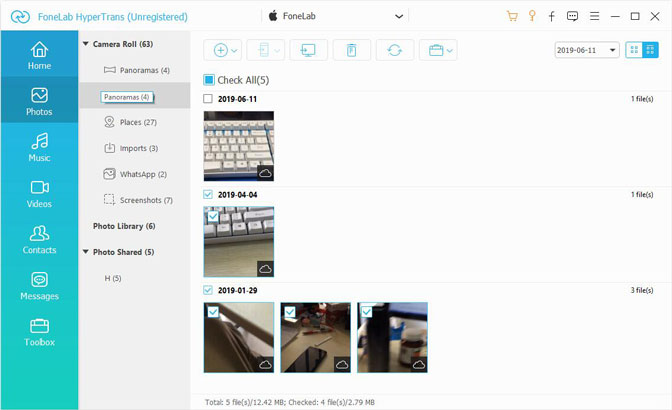
Step 1Open the FoneLab HyperTrans application on your Windows PC. Take a high-quality USB data cable and connect your smartphone to a dedicated USB port on your computer.
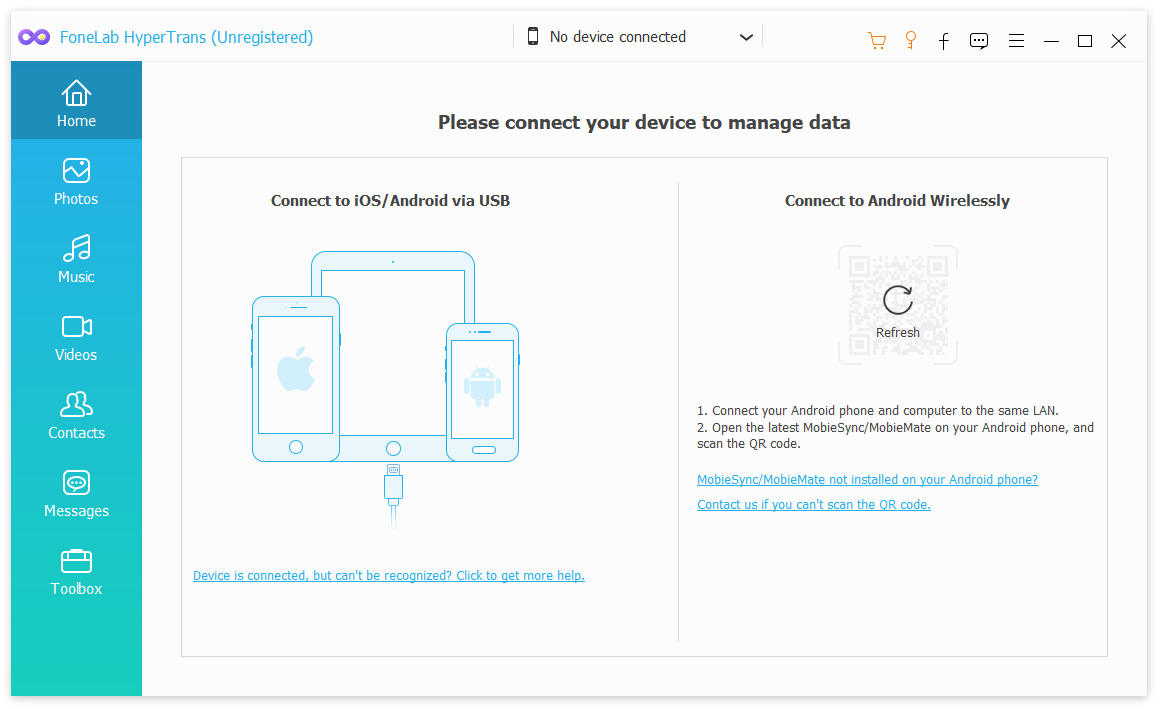
Step 2Use the clean, category-based sidebar menu on the left side of the program window to choose your target file types, such as Photos, Videos, Music, or Documents.
Transfer Data From iPhone, Android, iOS, Computer to Anywhere without Any Loss.
- Move Files between iPhone, iPad, iPod touch and Android.
- Import Files from iOS to iOS or from Android to Android.
- Move Files from iPhone/iPad/iPod/Android to Computer.
- Save Files from Computer to iPhone/iPad/iPod/Android.
Part 4: Comprehensive Answers to Frequently Asked Questions
Do non-Samsung users need to install an app to open shared links?
A: No. Recipients using alternative Android brands, iPhones, or desktop computers do not need to install any specialized software or log into a Samsung profile. The incoming link opens inside a standard web browser interface where files can be downloaded directly to local storage.
Is using Samsung Link Sharing secure for confidential business files?
A: Yes, the platform uses secure HTTPS encryption layers during the upload and download phases. Files are stored on encrypted cloud servers and are completely wiped by automated deletion scripts once the link expiration timer runs out. However, because the link can be forwarded by anyone who has it, you should avoid using it for highly sensitive personal data.
Why does my shared video link look compressed or lower quality to the receiver?
A: Samsung Link Sharing does not compress your original file during the upload phase. If a recipient notices pixelation, it is usually because they are watching the video using the web browser's built-in stream preview tool. To view the file in its full, native resolution, the recipient must download the file directly to their local storage device.
Transfer Data From iPhone, Android, iOS, Computer to Anywhere without Any Loss.
- Move Files between iPhone, iPad, iPod touch and Android.
- Import Files from iOS to iOS or from Android to Android.
- Move Files from iPhone/iPad/iPod/Android to Computer.
- Save Files from Computer to iPhone/iPad/iPod/Android.
Part 5: Strategic Preventative Architecture for Mobile Users
To avoid unexpected file sharing issues in the future, take a few minutes to set up these file management precautions on your device:
- Monitor Your Active Storage Footprint: Navigate regularly to your device's system storage settings to keep an eye on how much local space your media files are consuming before your drive runs out of room.
- Keep Your Sharing Tools Updated: Open your respective app store, navigate to your updates menu, and make sure your system sharing frameworks are always running the latest software version to prevent connectivity loops.
- Organize Folders by Project Size: Group your heavy media files into dedicated project folders within your file manager app. This makes it easy to see which files can be sent quickly via a cloud link and which ones require a wired desktop transfer tool.
Conclusion and Modern Workflow Optimization
Managing large file transfers on your phone does not have to be difficult. For small files and quick everyday sharing, using the built-in cloud link tools inside Samsung's menu or utilizing standard web links is a fast, seamless solution across different device ecosystems.
However, when you need to transfer massive video files or complete data backups without dealing with upload caps and expiring links, desktop software provides a much more robust solution. Download FoneLab HyperTrans on your Windows PC today to bypass cloud storage restrictions and move files quickly across different platform setups over a secure local connection.
About the author: This guide was compiled by the FoneLab Technical Support Team with over 5 years of experience in mobile file transfer and data management solutions. Every method in this guide was tested on actual devices under real-world transfer conditions.
Transfer Data From iPhone, Android, iOS, Computer to Anywhere without Any Loss.
- Move Files between iPhone, iPad, iPod touch and Android.
- Import Files from iOS to iOS or from Android to Android.
- Move Files from iPhone/iPad/iPod/Android to Computer.
- Save Files from Computer to iPhone/iPad/iPod/Android.