
 iPhone Data Recovery
 iOS System Recovery
 iOS Data Backup & Restore
 iOS Unlocker
 iPhone Password Manager
 Location Changer
 Android Data Recovery
 Broken Android Data Extraction
 Android Data Backup & Restore
 Android Unlocker
 FoneTrans for iOS
 iPhone Data Eraser
 iPhone Cleaner
 HEIC Converter
 HyperTrans
 WhatsApp Transfer for iOS
 Mac Sweep
 Data Retriever
 Mac Data Retriever
 Video Converter Ultimate
 Screen Recorder
 Phone Mirror
- Part 1: Why Is Your Mac's CPU Usage Spiking?
- Part 2: Diagnose High CPU with Activity Monitor
- Part 3: Quick Fixes to Bring CPU Usage Down Now
- Part 4: Deep Clean and Optimize with FoneLab Mac Sweep
- Part 5: Manual Tuning vs. Automated Cleanup: Which Works?
- Part 6: How to Keep CPU Usage Low on Mac
- Part 7: FAQs About High CPU Usage on Mac
- Empty Trash
- Delete Mail App
- Clear Cache on Mac
- Get More Storage on Mac
- Make Chrome Use Less RAM
- Where is Disk Utility on Mac
- Check History on Mac
- Control + Alt + Delete on Mac
- Check Memory on Mac
- Check History on Mac
- Delete An App on Mac
- Clear Cache Chrome on Mac
- Check Storage on Mac
- Clear Browser Cache on Mac
- Delete Favorite on Mac
- Check RAM on Mac
- Delete Browsing History on Mac
CPU Usage on Mac: How to Check, Fix, and Reduce High CPU
 Posted by Lisa Ou / Aug 28, 2026 16:00
Your Mac's fan is whirring, the cursor lags, and CPU usage is pegged at 90%+ while you're doing nothing demanding. It's common on both new and old Macs, usually a rogue background process or accumulated junk. Why Macs slow down is covered separately.

High CPU on Mac is almost always fixable once you find the cause — a runaway app, a background process, malware, or system junk. This guide covers checking CPU usage, diagnosing the spike, quick fixes, and a deeper clean with FoneLab Mac Sweep.

Guide List
- Part 1: Why Is Your Mac's CPU Usage Spiking?
- Part 2: Diagnose High CPU with Activity Monitor
- Part 3: Quick Fixes to Bring CPU Usage Down Now
- Part 4: Deep Clean and Optimize with FoneLab Mac Sweep
- Part 5: Manual Tuning vs. Automated Cleanup: Which Works?
- Part 6: How to Keep CPU Usage Low on Mac
- Part 7: FAQs About High CPU Usage on Mac
Part 1: Why Is Your Mac's CPU Usage Spiking?
The CPU is your Mac's brain. High usage means it's working harder than it should, causing slowdowns, fan noise, and shorter battery life. Here are the most common causes: The good news: almost every cause below is easy to fix once you've found it.
- A stuck app loops or never closes, eating CPU until you quit it.
- Spotlight, cloud sync, and other invisible services can spike usage.
- Crypto-mining and ad malware run hidden and peg the CPU — scan if suspected.
- Caches, logs, and temp files pile up and slow background tasks.
- Old OS versions and apps cause leaks and compatibility drag.
- Low RAM forces heavy virtual-memory swapping, raising CPU load.
- Overheating or failing hardware throttles and spikes CPU — rare but possible.
The first step is identifying which cause is responsible — that's what Activity Monitor (Part 2) does.
Most spikes trace back to one of a handful of causes, and once you know which, the fix is usually straightforward. The trick is not to guess — Activity Monitor will tell you.
Part 2: Diagnose High CPU with Activity Monitor
Activity Monitor shows exactly which processes and apps use your CPU, memory, energy, disk, and network — so you can pinpoint the culprit instead of guessing.
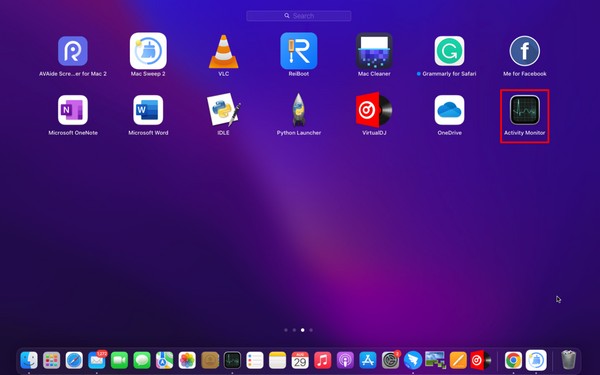
Step 1Open Activity Monitor from Applications > Utilities, or press Command + Space and type it. Stay on the CPU tab.
Step 2Check the bottom summary: User, System, and Idle percentages, plus a live usage graph.
Step 3Click the % CPU column to sort highest first. A process above 50% for a long time is worth investigating.
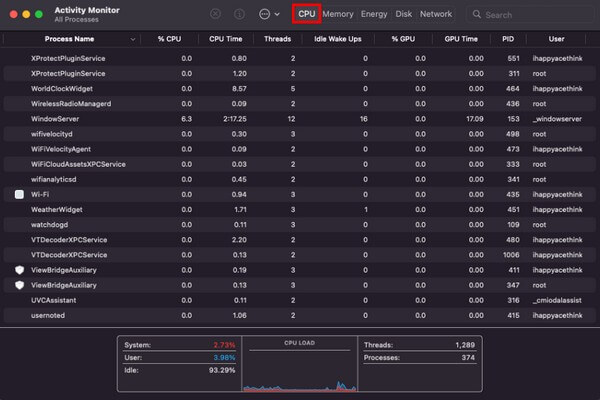
Step 4Identify the culprit. kernel_task means overheating, mds/mdworker means Spotlight indexing, WindowServer means display load, and Chrome Helper is usually many tabs.
Step 5Check the Memory, Energy, and Disk tabs for context — high RAM or disk I/O also raises CPU load.
Step 6Force Quit a stuck app (select it, click X, choose Force Quit). Never force quit system processes like kernel_task — fix the cause instead.
It's the first tool I open when my Mac runs slow — it usually identifies the problem within seconds.
If the list feels overwhelming, sort by the CPU column and ignore anything under five percent. The top few entries almost always tell the story — a browser with too many tabs, a stuck update, or a background sync you forgot about. Note the names before you quit them so you can check whether they come back a minute later.
Part 3: Quick Fixes to Bring CPU Usage Down Now
If your Mac is slow right now, these quick fixes bring CPU usage down without special software. Try them in order. I've used all of these myself and they work without touching your files.
Fix 1Quit unused apps and browser tabs. Close the ones playing video or running complex web apps — they're the biggest CPU hogs.
Fix 2Restart your Mac. It clears RAM, stuck background processes, and system services.
Fix 3Install macOS and app updates under System Settings > General > Software Update.
Fix 4Trim login items in System Settings > General > Login Items — each one uses CPU and memory at startup.
Fix 5Clear browser cache (Safari > Settings > Privacy, Chrome > Settings > Privacy) and disable extensions you don't use.
Fix 6Free up disk space. Keep at least 10-15% of your drive free for virtual memory and temp files.
Fix 7Reset SMC (Shift+Control+Option+Power on Intel MacBooks) and NVRAM (Option+Command+P+R). Apple Silicon Macs don't have these — just restart.
These fixes resolve most high-CPU cases. If it persists, a deeper clean with FoneLab Mac Sweep (Part 4) removes the accumulated junk. Freeing up disk space helps if your startup disk is the culprit.
Before you dig deeper, give the machine ten minutes after the fixes. Some processes, especially system ones like Spotlight indexing or a photo library rebuild, spike CPU for a while and then settle on their own. If the spike passes and stays down, you may be done without any further work.
Part 4: Deep Clean and Optimize with FoneLab Mac Sweep
If quick fixes don't help and high CPU keeps returning, the problem is likely accumulated system junk — caches, logs, temp files, old backups. Mac Sweep finds and removes it safely; it found over 20 GB of junk on a Mac that hadn't been cleaned in a year.
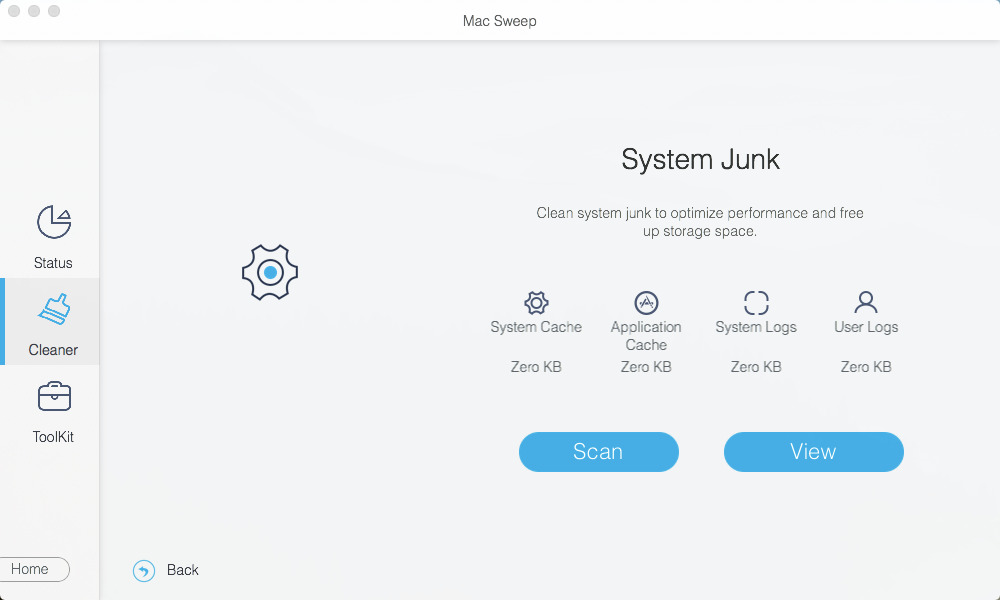
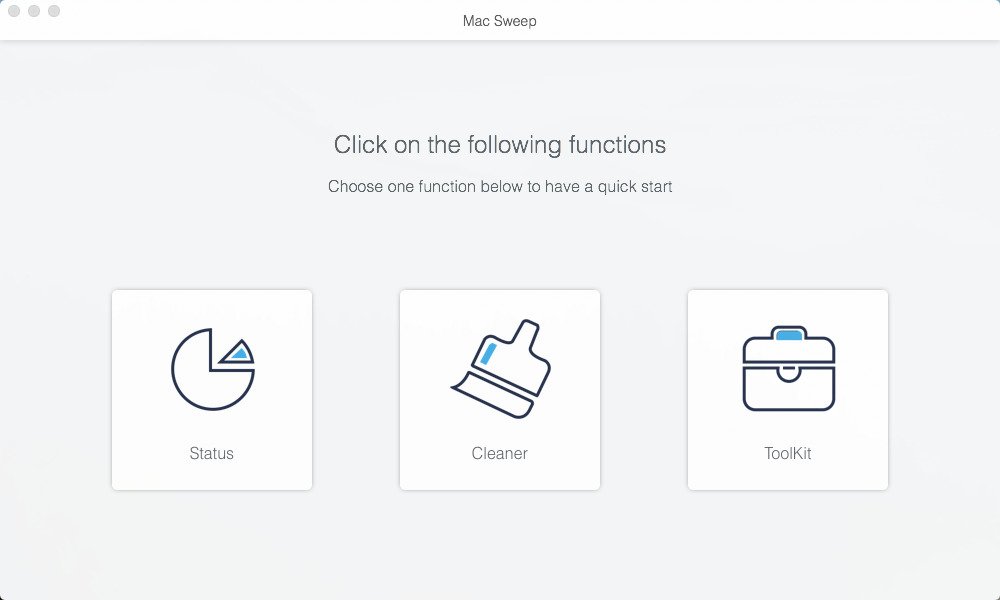
FoneLab Mac Sweep has three modes: Clean (system junk), Uninstaller (apps plus leftover files), and File Manager (large, old, or duplicate files). Here's how to use each:

With FoneLab Mac Sweep, you will Clear system, email, photo, iTunes junk files to free up space on Mac.
- Manage similar photos and dulplicate files.
- Show you the detailed status of Mac with ease.
- Empty trash bin to get more storage.
- Manage similar photos and duplicate files.
- Show detailed Mac status.
- Empty Trash bin for more storage.
Step 1Install and launch FoneLab Mac Sweep. The main screen offers Clean, Uninstaller, and File Manager.
Step 2Click Clean, check the categories you want, and click Scan.
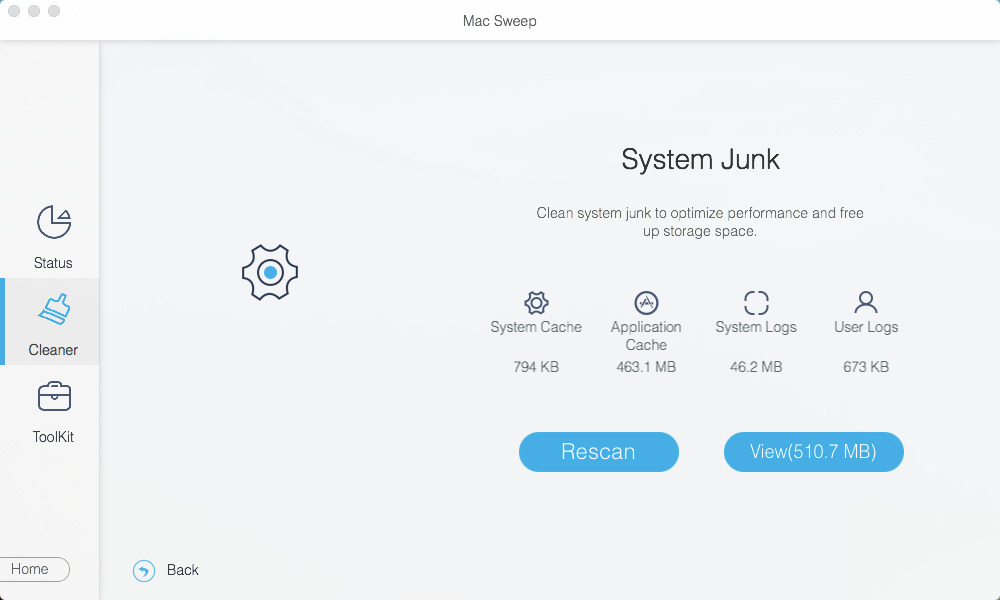
Step 3Review the junk found and click Clean to remove it — it won't touch your personal files.
Step 4Use Uninstaller to remove apps together with all their leftover files.
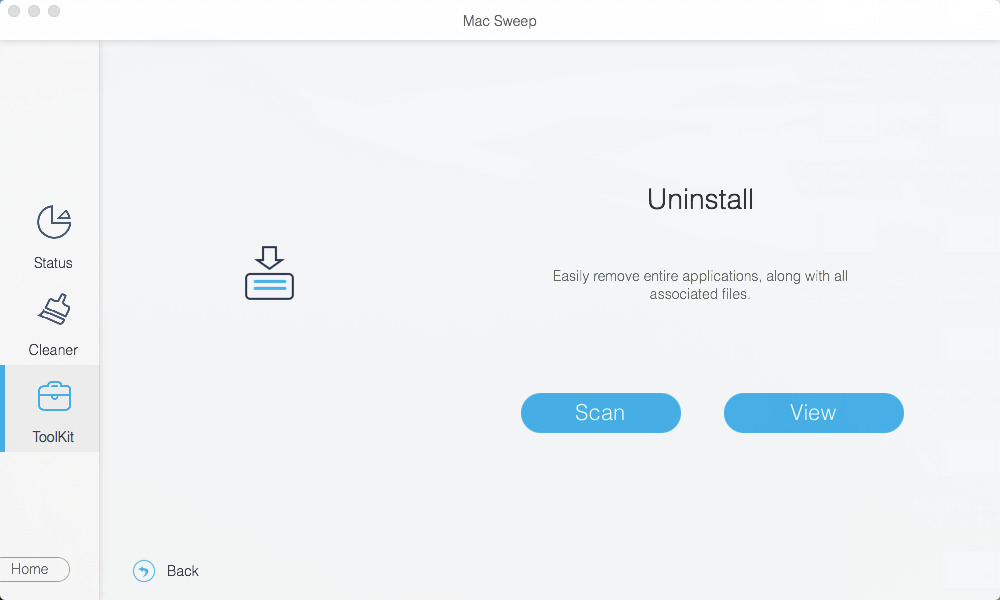
Step 5Use File Manager to find large, old, or duplicate files and delete the ones you don't need.
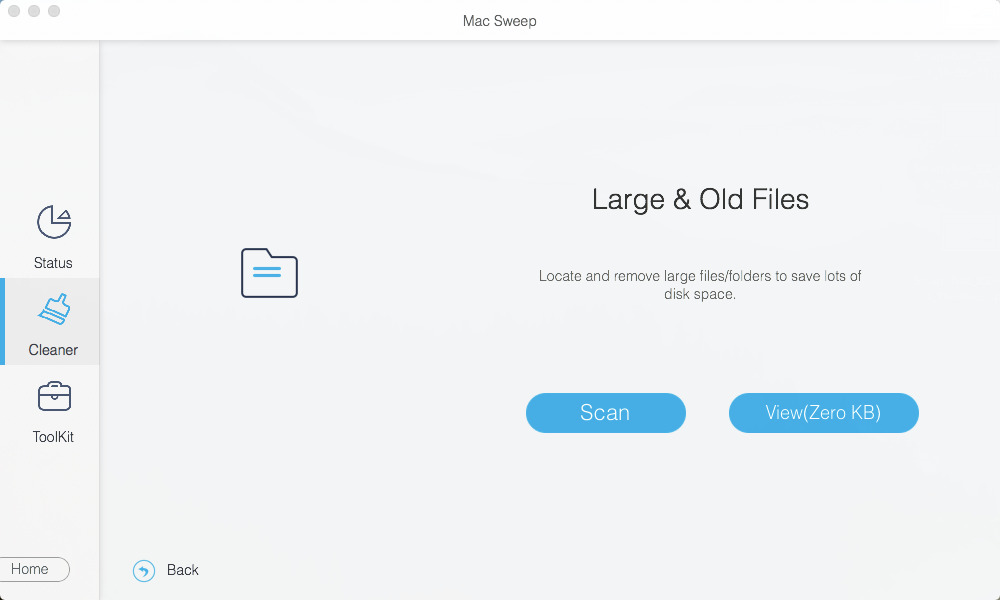
Step 6Restart your Mac and check Activity Monitor again. Run Clean monthly and the other tools every few months.
Mac Sweep is a maintenance tool, not a magic fix — address a specific heavy app directly. But for the gradual slowdown from accumulated junk, it's the most efficient fix. A monthly clean, plus my Mac disk cleanup tips, keeps things fast.
Part 5: Manual Tuning vs. Automated Cleanup: Which Works?
You have two broad approaches: manual tuning (Activity Monitor, closing apps) and automated cleanup (Mac Sweep). Best results combine both. Here's a comparison:
| Manual Tuning | Automated Cleanup (Mac Sweep) | |
|---|---|---|
| Best for | Identifying and stopping a specific runaway process or app | Removing accumulated system junk, cache, and leftover files |
| Speed of fix | Immediate (quit an app, CPU drops right away) | Takes 5-15 minutes for a full scan and clean |
| Long-term effect | Temporary — the app may reopen or the problem may recur | Lasting — removes junk that accumulates over months/years |
| Technical skill needed | Moderate — need to understand Activity Monitor and system processes | Low — click Scan, review, click Clean |
| Risk of breaking something | Medium — force quitting the wrong system process can crash your Mac | Low — only removes safe-to-delete junk files |
| Cost | Free (built into macOS) | Free to scan, paid for full cleaning |
Use both: manual tuning stops immediate runaway processes (Parts 2-3), automated cleanup removes the junk causing gradual slowdown (Part 4). Like a car — immediate relief plus a tune-up prevents future problems.
Both approaches have a place, and most people end up using them together. Manual tuning is immediate — you see a runaway app and kill it in seconds. Automated cleanup handles the slow creep: logs, caches, and old files that pile up over months without you noticing. Neither replaces the other.
Part 6: How to Keep CPU Usage Low on Mac
Fixing high CPU is one thing; preventing it is another. These habits keep CPU usage low long-term. Most of these take less than 15 minutes a month.
- Restart weekly and after updates to clear memory and stuck processes.
- Updates bring performance fixes and security patches.
- Limit tabs and extensions — browsers are the biggest CPU consumers.
- Trim login items so startup stays light.
- A nearly-full disk forces more virtual memory and CPU.
- Run Mac Sweep's Clean mode monthly to remove junk.
- Check Activity Monitor early, not when the Mac is unusable.
- Overheating throttles the CPU — keep airflow clear.
- Download only from the App Store or official sites to avoid adware.
These habits take 10-15 minutes a month and keep your Mac fast. Consistency beats waiting until it's unusable.
Also worth checking once in a while: the login items and background apps that start with your Mac. Many machines run a dozen things they don't need, and each one eats a little CPU and memory in the background. Pruning them is a one-time job with a lasting payoff.
Part 7: FAQs About High CPU Usage on Mac
What is a normal CPU usage percentage on Mac?
Under 10-20% when idle, 20-50% during normal use, and 80-100% during heavy tasks. Be concerned when usage stays high (70%+) while nothing demanding is running, or a single process holds 90%+.
Why is kernel_task using so much CPU?
kernel_task is usually macOS throttling the CPU to prevent overheating — it injects idle cycles that show up as high usage. Check for blocked vents, dust, high ambient temperature, or a faulty sensor.
Will adding more RAM fix high CPU usage?
Only if high CPU is caused by memory pressure (check Swap Used and Memory Pressure in Activity Monitor). If a runaway app or malware is behind it, more RAM won't help.
How do I know if my Mac has malware causing high CPU?
Look for odd processes using high CPU, a constantly running fan, and unexpected pop-ups. Check Activity Monitor, login items, and browser extensions, then scan with reputable anti-malware like Malwarebytes.
Conclusion
High CPU on Mac is common but fixable. Diagnose with Activity Monitor, apply the quick fixes, and for recurring slowdown use FoneLab Mac Sweep to remove junk and uninstall apps completely. Adopt the maintenance habits — restarts, updates, monthly cleaning, free disk — to keep your Mac cool and fast. A few minutes of diagnosis and cleanup gets you back to a quiet, fast Mac.
With FoneLab Mac Sweep, you will Clear system, email, photo, iTunes junk files to free up space on Mac.
- Manage similar photos and dulplicate files.
- Show you the detailed status of Mac with ease.
- Empty trash bin to get more storage.
- Manage similar photos and duplicate files.
- Show detailed Mac status.
- Empty Trash bin for more storage.