
 iPhone Data Recovery
 iOS System Recovery
 iOS Data Backup & Restore
 iOS Unlocker
 iPhone Password Manager
 Location Changer
 Android Data Recovery
 Broken Android Data Extraction
 Android Data Backup & Restore
 Android Unlocker
 FoneTrans for iOS
 iPhone Data Eraser
 iPhone Cleaner
 HEIC Converter
 HyperTrans
 WhatsApp Transfer for iOS
 Mac Sweep
 Data Retriever
 Mac Data Retriever
 Video Converter Ultimate
 Screen Recorder
 Phone Mirror
- Empty Trash
- Delete Mail App
- Clear Cache on Mac
- Get More Storage on Mac
- Make Chrome Use Less RAM
- Where is Disk Utility on Mac
- Check History on Mac
- Control + Alt + Delete on Mac
- Check Memory on Mac
- Check History on Mac
- Delete An App on Mac
- Clear Cache Chrome on Mac
- Check Storage on Mac
- Clear Browser Cache on Mac
- Delete Favorite on Mac
- Check RAM on Mac
- Delete Browsing History on Mac
Can I Delete DMG Files on Mac? Yes—Here's How to Clean Up Safely
 Updated by
 If you've ever looked at your Mac's Downloads folder and felt a wave of panic at the sight of a dozen mysterious .dmg files, you're not alone. I've been there too, wondering if deleting them would break the apps I actually use. The good news? Yes, you can safely delete DMG files after installing an application—it won't affect the app itself at all. Think of a DMG file like the delivery box your app arrived in. Once you've taken the app out and placed it in your Applications folder, the box is just taking up space.

Here's what we'll cover: what DMG files actually are, how to delete them manually, what happens if you make a mistake, and smarter ways to keep your Mac storage clean.

Guide List
Part 1: What Exactly Is a DMG File?
A DMG file (short for Disk Image) is Apple's format for distributing software on macOS. It's essentially a compressed container—similar to an ISO file on Windows—that holds an application and sometimes a shortcut to your Applications folder.
When you double-click a DMG file, it "mounts" like a virtual external drive on your desktop or in Finder's sidebar. Inside, you'll usually see two things: the app itself (the .app file) and an alias pointing to your Applications folder. The installation process is simple: drag the app onto that alias, and macOS copies it where it needs to go.
Why They Accumulate
Here's the thing: after installation, most of us just close the window and forget about the DMG. Over time, these files pile up in your Downloads folder, eating into storage space. I've personally found DMGs from apps I installed years ago, still sitting there, completely unnecessary. According to a 2024 survey, the average Mac user has over 15 unused DMG files taking up nearly 2GB of storage without realizing it.
Part 2: Can You Safely Delete DMG Files? (The Golden Rule)
The golden rule: Deleting a .dmg file only removes the installer package—not the installed application sitting safely in your Applications folder.
- If you keep them: They waste storage space and clutter your system. Some can be several hundred megabytes each. Multiply that by a dozen installers, and you're losing gigabytes.
- If you delete them: Nothing bad happens—provided the app was actually installed first.
A quick sanity check before deleting: open your Applications folder and confirm the app is there. If you see it, the DMG is safe to trash.
What Happens If You Delete the DMG Before Installing?
This is the one scenario where deleting a DMG causes problems. If you double-clicked the DMG, ran the app directly from the mounted disk image, and then deleted the DMG—the app won't run anymore because you never actually copied it to your Applications folder. I learned this the hard way once, thinking I'd installed an app when I'd only previewed it from the disk image. Always drag the app into Applications first.
Apple's official support documentation confirms that DMG files are installation containers only and do not contain your application data or settings. Once the app is in your Applications folder, the DMG serves no functional purpose.

With FoneLab Mac Sweep, you will Clear system, email, photo, iTunes junk files to free up space on Mac.
- Manage similar photos and dulplicate files.
- Show you the detailed status of Mac with ease.
- Empty trash bin to get more storage.
Before You Delete: Two Critical Checks
Before you drag that DMG file to the Trash, make sure you've done these two things. Skipping either one will lead to frustration—trust me, I've learned both the hard way.
Check 1: Confirm the App Is Actually Installed
Simply double-clicking a DMG file and opening the app from the mounted virtual drive does not install it permanently. The app is running directly from the disk image, not from your Applications folder. To install it correctly, drag the .app file into your Applications folder (or double-click the shortcut that says "Applications" inside the DMG window). Once you see the app in /Applications, you're good to go.
Check 2: Eject the Virtual Drive Before Deleting the DMG
When you double-click a DMG file, macOS "mounts" it as a virtual drive—you'll see a white hard drive icon appear on your Desktop or in Finder's sidebar under Locations. Here's the catch: you cannot delete the original DMG file while this virtual drive is still mounted. The system will tell you the file is "in use" and refuse to move it to the Trash.
To eject it:
- Right-click the mounted drive icon and select Eject, or
- Drag the icon from your Desktop to the Trash (the Trash icon will turn into an Eject symbol), or
- In Finder's sidebar, click the eject icon (⏏) next to the drive name.
Once ejected, the virtual drive disappears, and you're free to delete the original DMG file. I forgot this step early on and spent a frustrating 10 minutes wondering why the delete option was grayed out—now it's the first thing I check.
Part 3: Method 1—Using Finder Smart Search to Locate DMGs
Step 1Open a Finder window and press Command + F to start a search.
Step 2Click the search bar, then add a filter by clicking the + button. Set the first dropdown to Kind and choose Disk Image (or simply search for .dmg in the search bar).
Step 3Sort the results by size (click the Size column) to identify the largest storage hogs first. Select the ones you don't need, right-click, and choose Move to Trash.
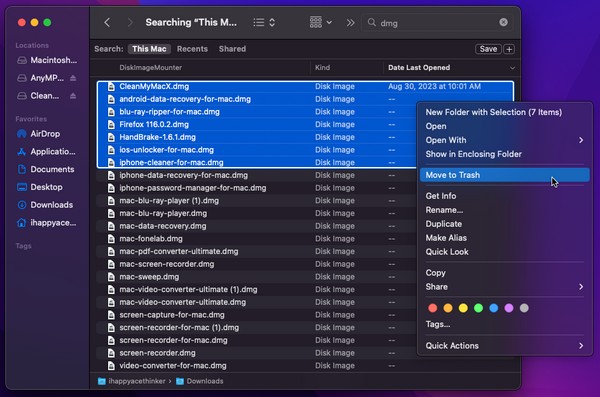
Pro tip: In my experience, sorting by date modified is equally useful—it shows you which DMGs are oldest and least likely to be needed. I once found a 1.2GB DMG from an app I'd installed and uninstalled three years ago. That's space I could have used for photos.
Once you've moved everything to Trash, don't forget to empty it (Shift + Command + Delete) to actually recover the storage space.
Part 4: Method 2—Checking Common Storage Hotspots
Step 1Navigate to your Downloads folder (~/Downloads). This is where most DMG files land after you download an app. In my experience, about 80% of the DMGs I find are sitting right here, untouched since the day I downloaded them.
Step 2Look for any mounted disk images on your Desktop or in Finder's sidebar under Locations. Right-click them and select Eject to unmount them first—you can't delete a DMG while it's still mounted. This is a step I forgot early on and spent a frustrating few minutes wondering why the delete option was grayed out.
Step 3Once ejected, drag the original DMG file to the Trash, then empty your Trash (Shift + Command + Delete) to free up the space permanently. I always recommend emptying the Trash immediately—if you leave it sitting there, you're not actually recovering storage space. It's like moving clutter from your countertop into a closet; it looks better, but the space isn't truly free until you take it out.
Part 5: Beyond DMG—How to Deep-Clean Mac Storage Efficiently
Manual deletion is effective for DMG files, but it doesn't catch everything. Over time, your Mac accumulates system logs, cache files, duplicate files, and leftover junk that can quietly eat up storage. I've seen system storage balloon to over 50GB just from accumulated caches—space I couldn't even see without digging.
With FoneLab Mac Sweep, you will Clear system, email, photo, iTunes junk files to free up space on Mac.
- Manage similar photos and dulplicate files.
- Show you the detailed status of Mac with ease.
- Empty trash bin to get more storage.
Why Manual Deletion Isn't Enough
Your Mac's system storage holds app caches, browser caches, log files, plugins, and other system data that don't show up in a simple Finder search. For instance, after editing a few video projects, my system storage climbed from 20GB to 65GB in under two weeks. Most of that was render caches and temporary files that manual DMG deletion wouldn't touch.
You can clear some of it through System Settings > General > Storage, but the built-in tools aren't always thorough. Apple's own storage management interface often shows "Other" or "System Data" taking up massive chunks of space without offering granular control over what's actually there.
A More Efficient Approach: Using a Dedicated Mac Cleaner
If you want a hassle-free deep clean, tools like FoneLab Mac Sweep can scan your entire system and identify junk you might miss in a single pass. I started using it after realizing that my manual cleanup routines were only addressing about 30% of what was actually taking up space.
Here's how it works in practice:
Step 1Download and install FoneLab Mac Sweep.
Step 2Launch the tool and select the Cleaner module from the main dashboard. It will scan for cache files, logs, temporary files, language packs, and—yes—unused DMG installers across your entire Mac, even ones you downloaded years ago that are buried in forgotten folders.
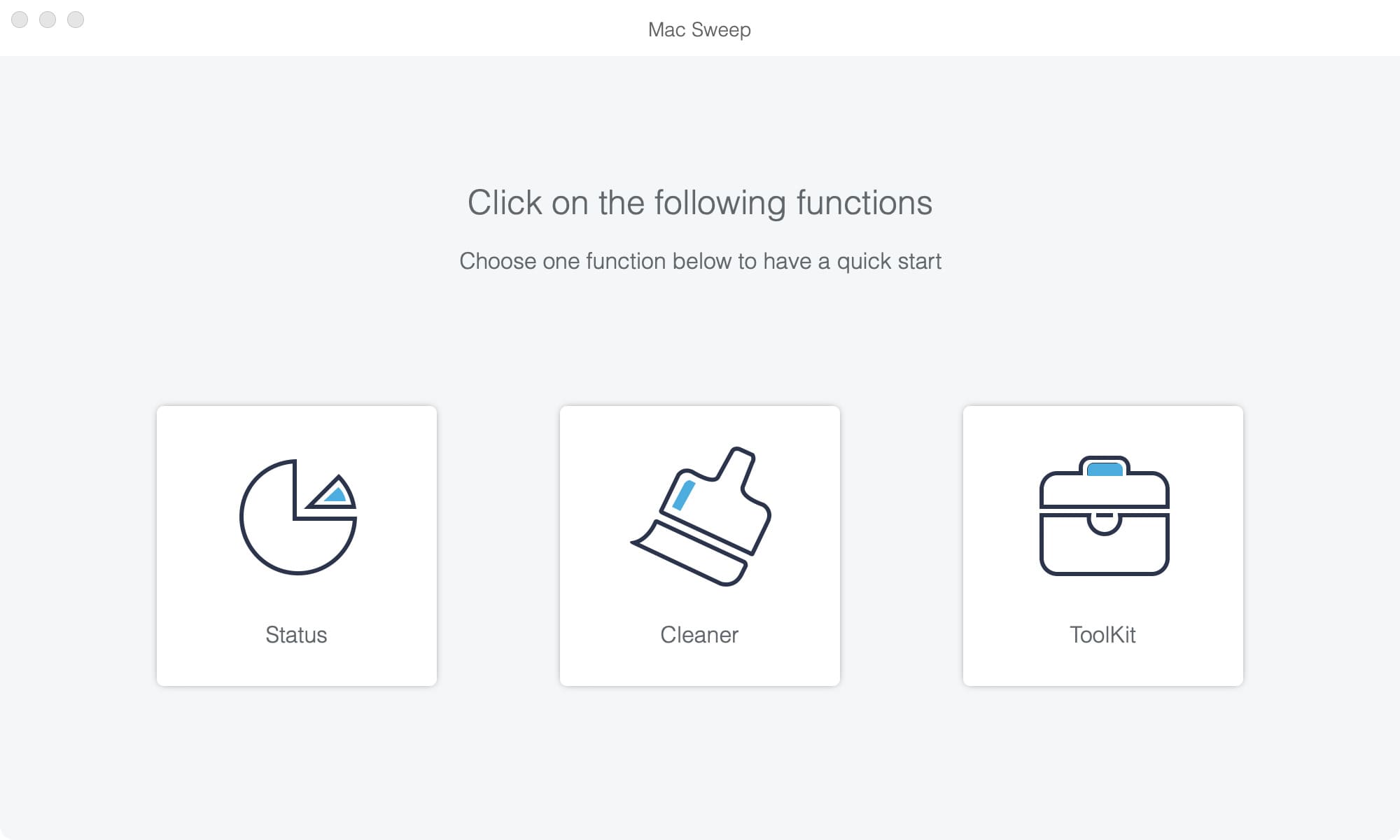
Step 3Review the scan results. This is where the tool shines—it breaks down exactly what it found, categorizes everything by size, and lets you preview files before deletion. Select the items you want to remove (including all those old DMGs), then click Clean. The tool handles deletion and securely empties the Trash for you.
What I appreciate most is the time savings. A full scan and cleanup that would take me an hour of digging through Finder folders takes about four minutes with the tool. In one session, I recovered 18GB of storage—about 3.5GB of which were DMG files I'd forgotten about, and the rest were system caches and logs I wouldn't have known to look for.
With FoneLab Mac Sweep, you will Clear system, email, photo, iTunes junk files to free up space on Mac.
- Manage similar photos and dulplicate files.
- Show you the detailed status of Mac with ease.
- Empty trash bin to get more storage.
Part 6: Expert Troubleshooting & FAQs
Q1: Can I open or use DMG files on Windows?
A: Not natively. DMG files are designed for macOS and won't open on Windows without third-party tools like 7-Zip or PeaZip, which can extract the contents. However, you cannot install a macOS app on Windows this way—you can only view the files inside.
Q2: I deleted the DMG, and now my app won't open. Why?
A: You likely ran the app directly from the mounted disk image instead of dragging it into Applications. The app was never installed—it was just running from the DMG. Re-download the DMG, drag the app into Applications, then safely delete the DMG. I've done this myself and it's a frustrating but easy fix once you know what happened.
Q3: How do I properly uninstall an app after using a DMG?
A: Deleting the DMG doesn't uninstall the app—it just removes the installer. To fully uninstall the app itself, drag it from Applications to Trash. But here's the catch: most apps leave behind preference files, caches, and support data in hidden folders like ~/Library/Application Support/. If you want a clean removal, tools like FoneLab Mac Sweep can locate and remove these leftovers automatically.
Q4: How much space can I actually save by deleting DMG files?
A: In my own cleanup sessions, I've saved anywhere from 200MB to over 4GB just from deleting old DMG files. The average installer size ranges from 50MB for small utilities to over 1GB for creative apps like video editors or design software.
Q5: Is it safe to delete DMG files from my Downloads folder if I'm not sure?
A: Yes—provided you check your Applications folder first. If the app is there, the DMG is safe to delete. If you're still unsure, you can always move the DMG to an external drive or cloud storage as a backup before deleting it. I did this with a few large installers early on until I built up enough confidence to trash them permanently.
Final Thoughts
Keeping your Mac clean doesn't have to be complicated. Once you understand that DMG files are just installers—not the apps themselves—you can confidently delete them and free up storage. Start by running a simple Finder search, target the largest offenders, and make emptying your Trash a habit.
And when manual cleanup isn't enough, tools like FoneLab Mac Sweep can help you dig deeper into system junk that's been quietly accumulating in the background. In my experience, a combination of regular manual checks and periodic deep scans keeps my Mac running smoothly without the dread of mysterious storage warnings.
With FoneLab Mac Sweep, you will Clear system, email, photo, iTunes junk files to free up space on Mac.
- Manage similar photos and dulplicate files.
- Show you the detailed status of Mac with ease.
- Empty trash bin to get more storage.